








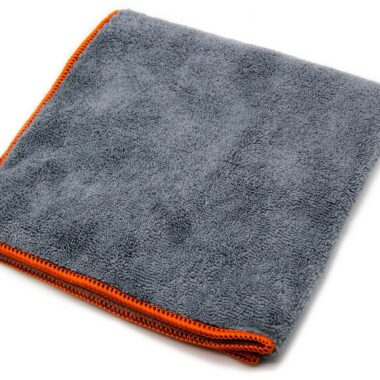




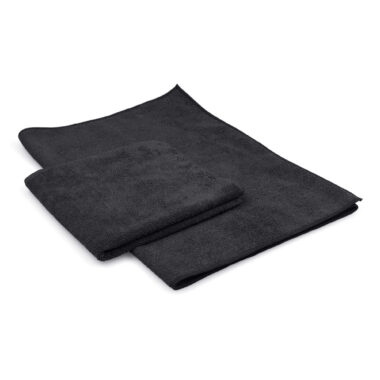







I bought two extra Water Magnet 1200 GSM microfibre drying towels and gave one to my brother and the other to my father-in-law. Since they both take care of their cars with the sam…
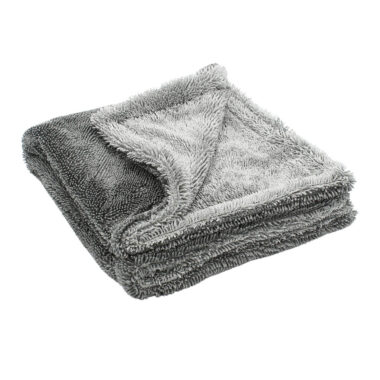
Urmas J. Water Magnet Microfiber Car Drying Towel - 1200g/m²
Microfiber products deliver efficient cleaning solutions through advanced fiber technology. Our range includes specialized cloths for glass, kitchen, automotive, and general cleaning purposes, along with floor mops and polishing cloths. Each product category utilizes specific weave patterns and materials for optimal cleaning performance.
The microfiber collection emphasizes practical cleaning efficiency across different applications. From gentle glass cleaning to heavy-duty scrubbing, these products reduce the need for chemical cleaners while providing consistent cleaning results on various surfaces.
For a full overview of microfiber cloth types, uses, and care, see our guide to microfiber cloths.

Fast shipping - all orders are shipped on the same day.

Join GoGoNano community & save 5% on every order.

99% of our customers have given us a positive rating.
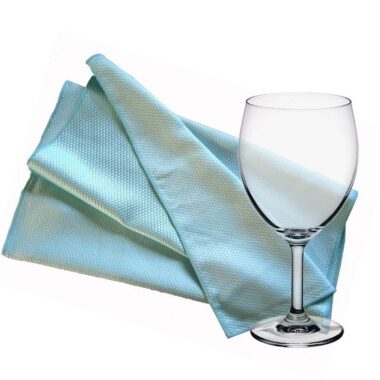
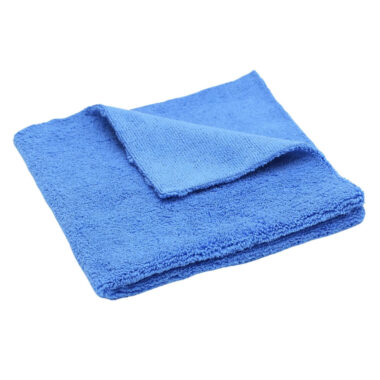
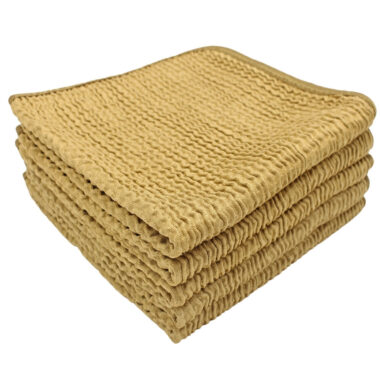
 Single product
 Pack of 5Pack of 10

 Single product
 Pack of 3
 Pack of 6
 Pack of 12 / Full box
 Single product
 Pack of 5Pack of 10

 Single product
 Pack of 5Pack of 10

 Single productPack of 5
 Single productPack of 5


 Single product
 Pack of 5Pack of 10


 Single productPack of 10

 Single productPack of 5Pack of 10
 Single productPack of 5
 Single productPack of 5Pack of 10




 Single product
 Pack of 5


 Single productPack of 5

 Single productPack of 5Pack of 10

 Single product
 Pack of 5


 Single productPack of 5

I bought two extra Water Magnet 1200 GSM microfibre drying towels and gave one to my brother and the other to my father-in-law. Since they both take care of their cars with the sam…
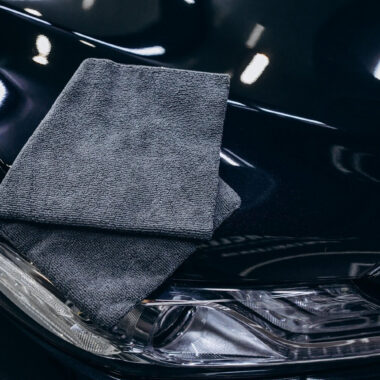
Urmas J.Water Magnet Microfiber Car Drying Towel - 1200g/m²I dried the whole car in about 7 minutes – I used to waste at least 30 minutes on this. Large surfaces dry in one sweep. I recommend this drying towel to every car owner who washes…
URMAS J.Water Magnet Microfiber Car Drying Towel - 1200g/m²No lint at all and no marks on glasses. Really good.
Maija Microfiber Kitchen Tea Towel, 40 x 75 cm
Microfiber is not one material. A thin, tightly woven cloth that leaves glass spotless is the wrong tool for drying a car, and a plush polishing cloth smears on a window. Start from the job, then pick the cloth type:
| Job | Choose | Typical weight |
|---|---|---|
| Windows, mirrors, shower glass | Smooth or two-sided glass cloths: one side lifts dirt, the other polishes dry | 130–350 g/m² |
| Dusting and everyday wiping | Soft general cleaning cloths or a dusting glove | 200–500 g/m² |
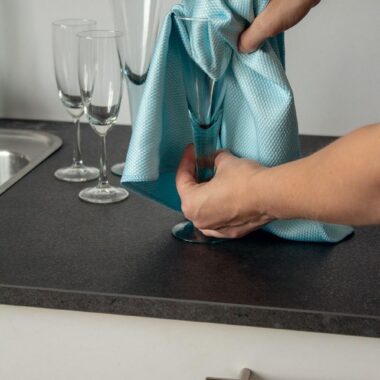
| Kitchen worktops, dishes, sinks | Kitchen cloths, scouring cloths and tea towels that dry glasses without lint | 230–350 g/m² |
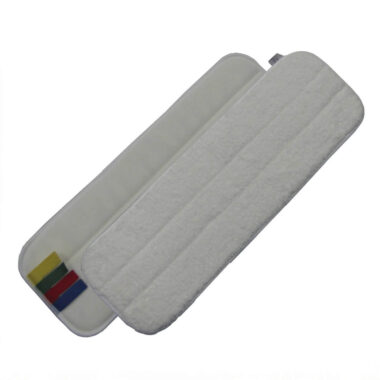
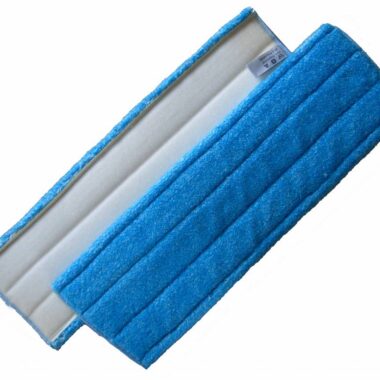
| Floors | Mop pads and floor cloths that match your mop frame or squeegee | 300–320 g/m² |
| Drying a car | Thick drying towels that soak up water without wringing | 500–1200 g/m² |
| Polishing paint, wax or glossy surfaces | Plush polishing cloths, ideally edgeless so no hem touches the surface | 400–600 g/m² |
| Glasses, screens, camera lenses | Small suede-feel or edgeless special purpose cloths | 200–300 g/m² |
| Grease and strong cleaning chemicals | A knitted cloth such as Triko Piko, which keeps working with aggressive cleaners | around 280 g/m² |
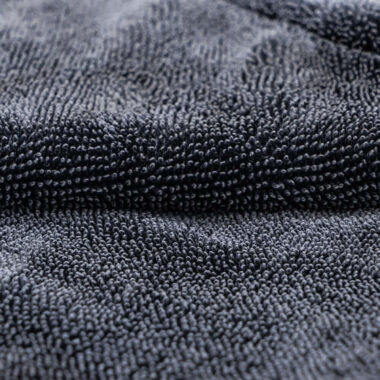
Weight (g/m²) is the density of the fabric. A higher number means a thicker, softer cloth that holds more water, which is why the Water Magnet drying towel is 1200 g/m². A lower number means a thin, flat cloth that dries quickly and leaves less lint on glass.
Fibre blend is usually polyester with polyamide, for example 80/20 or 70/30. Polyamide is the softer, more absorbent part, so a 70/30 cloth generally feels softer and drinks more water than an 80/20 one of the same weight.
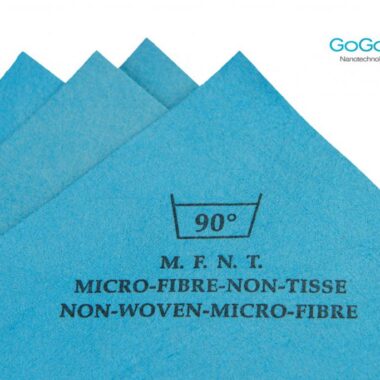
Weave changes how the cloth behaves. Terry and waffle weaves trap dirt and water, smooth woven cloths polish, non-woven cloths are thin and lint-free, and knitted cloths stand up to scrubbing and chemicals. An edgeless cloth has no stitched hem, so nothing hard can scratch a soft clear coat or lens.
For a deeper comparison, read how to choose a microfiber cloth and which microfiber cloth works on which surface.
Wash most microfiber at 30–40 °C with a small amount of mild liquid detergent. Use 60 °C only for hygiene-heavy cloths and only when the care label allows it. Skip fabric softener, dryer sheets and bleach: they coat or weaken the fibres, and the cloth starts to smear instead of picking up dirt. Wash cloths used with strong cleaners separately from glass and dusting cloths. The full routine is in our guide to washing microfiber cloths and towels.
Use a dedicated glass cloth with a smooth surface or a two-sided cloth with a matt side for cleaning and a glossy side for polishing. Clean with a damp cloth, then polish with a dry one. Most streaks come from a cloth that is too wet, already dirty, or washed with fabric softener, so keep glass cloths separate and wash them without softener.
For dust, fingerprints and light everyday dirt, water is usually enough, because the fine fibres pick up and hold the dirt. For grease, limescale or sticky residue, add a suitable cleaner. If you regularly use strong cleaners, choose a knitted cloth that tolerates them and keep it apart from your glass and dusting cloths.
30–40 °C is enough for most cloths. Wash at 60 °C only when hygiene matters, for example kitchen cloths, and only if the care label allows it. Regular washing above 60 °C can shrink or weaken the fibres. Leave out fabric softener, dryer sheets and bleach, and dry on low heat or in the air.
It is the weight of the fabric per square metre. Thin cloths around 130–250 g/m² are made for glass and leave little lint. Mid-weight cloths around 300–400 g/m² suit everyday cleaning. Thick cloths from 500 g/m² up polish and dry, and a car drying towel can reach 1200 g/m² so it absorbs water without wringing.
The usual causes are fabric softener or dryer sheets coating the fibres, washing together with cotton towels that shed lint, or residue from strong chemicals. Wash the cloth separately with a little detergent and an extra rinse. Store clean microfiber away from cotton and dirty rags so it stays lint-free.