




Nano Coatings and Cleaners
Nano coatings are thin surface treatments made for different materials and purposes. Depending on the formula, they can repel water and dirt, make fingerprints less visible or help slow UV-related fading on textiles. Applied to a clean, compatible surface, the right coating makes everyday care easier. Glass, textiles, car paint and electronic screens each need a suitable formula. No coating makes a surface permanently self-cleaning or protects it from every kind of damage.
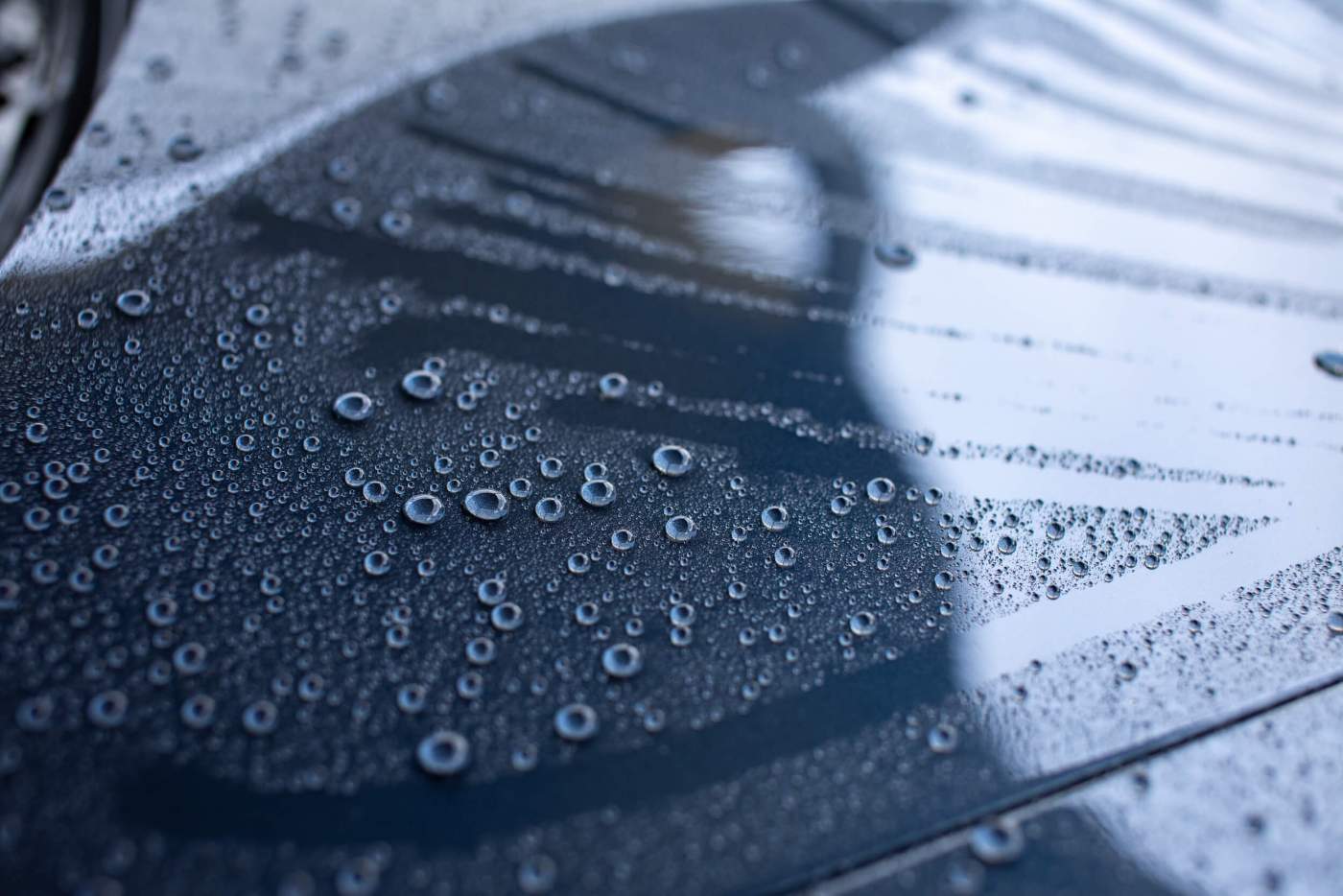
Ceramic Nano Coating for Cars
GoGoNano Liquid Skin is a water-based coating for vehicle exteriors. It leaves a thin layer that helps water, road dirt and other contaminants release more easily during washing. Unlike a traditional wax that mainly sits on top of the finish, Liquid Skin adheres to the prepared surface. It is intended to make regular maintenance easier and help the vehicle stay cleaner between washes.
Use on: paint, wheels, windscreens and mirrors, chrome and plastic trim. Do not use it on interior fabric or leather.
Related reading: how to wash your car at home
Liquid Screen Protector for Phones and Electronics
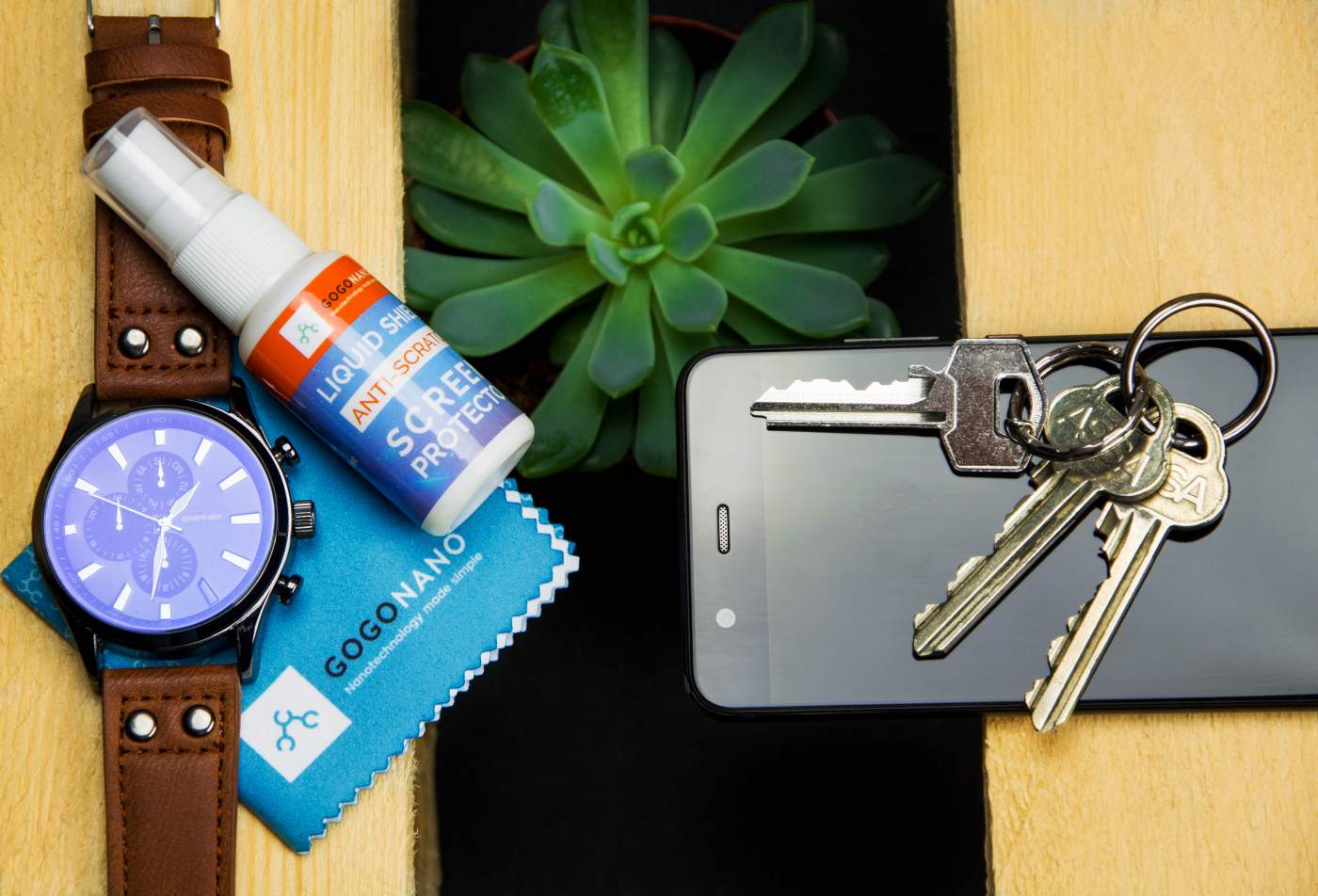
GoGoNano Liquid Shield forms a clear, thin layer on glass screens and other compatible smooth surfaces. It helps reduce fingerprints and improves resistance to small everyday scratches caused by dust and pocket grit. Because it has no cut edges or fixed shape, it can be used on curved and unusually shaped screens without changing touch sensitivity or brightness. It does not absorb impact from drops.
Use on: phone, tablet and laptop screens, smartwatch faces and camera lenses. It improves resistance to light surface scratches but does not provide drop protection.
Related reading: liquid screen protector vs tempered glass

Water-Repellent Spray for Shoes, Clothing and Outdoor Gear
Stay Dry is made for textiles, suede, nubuck and leather. It helps water and common stains stay on the surface instead of soaking in, while the material keeps its usual feel and breathability. Use it on footwear, outerwear and outdoor gear that is suitable for spray treatment. The result depends on the material, surface preparation and even application, so test sensitive finishes before treating the whole item.
Use on: leather, suede and nubuck shoes, jackets and coats, backpacks, tents, outdoor gear and umbrellas. Test suede, nubuck and other sensitive finishes on a hidden area first.
Related reading: how to waterproof shoes · how to waterproof a jacket
Nano Cleaners and Surface Protection for the Home
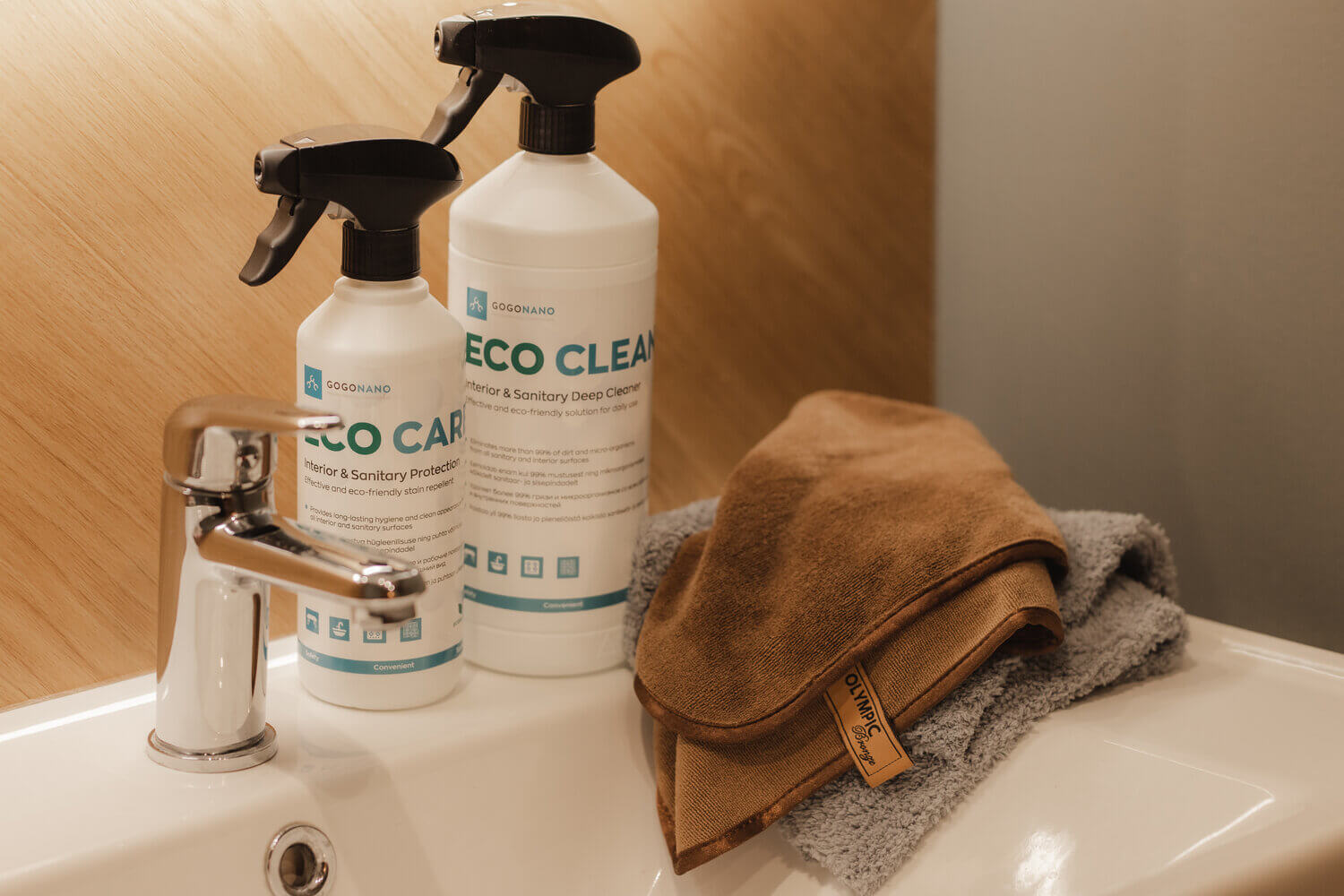
The GoGoNano home range includes cleaners that remove everyday dirt and leave a thin water- and dirt-repellent layer. This two-in-one approach can slow the return of marks, soap residue and mineral deposits, so treated surfaces are easier to clean next time. Choose the product for the surface: bathroom glass and tiles, kitchen worktops, sinks, windows or sealed floors.
Use on: bathroom tiles and shower glass, kitchen worktops and sinks, windows and sealed hard floors. Do not use it on untreated or oil-coated wood.
Related reading: nano coating for glass · the 2-in-1 home series
How nano coatings work and what they cannot do
Surface preparation affects the result
A coating can only adhere to the surface it reaches. Wax, silicone, fabric softener, grease or limescale can block direct contact and lead to patchy or short-lived results. Clean and dry the surface first. Wash textiles without fabric softener. Poor preparation is a common reason why a coating beads unevenly or wears sooner than expected.
How to apply a nano coating
Always follow the product instructions because quantities and curing times vary.
- Clean the surface. Remove dirt, grease, wax, limescale and other residue.
- Let it dry. Moisture left on the material can prevent even coverage.
- Apply a thin, even layer. More product does not create better repellency and may leave streaks.
- Allow time for curing. Keep the treated surface away from water for the time stated in the product instructions.
What changes on the surface
On a smooth surface such as glass, a suitable hydrophobic coating lowers surface energy, so water spreads less and forms droplets more readily. On an absorbent material such as fabric, the right treatment reduces how quickly water enters the fibres. Depending on the formula, dirt, oils or mineral deposits may also grip less strongly. This makes later cleaning easier; it does not stop contamination from reaching the surface.
Wear and reapplication
Every coating wears with use. Abrasion, washing, UV exposure and strong cleaners can shorten its working life. A shower screen, car bonnet and pair of walking boots therefore need different reapplication schedules. Watch how water behaves. When beading becomes weaker and water starts to spread or soak in again, clean the surface and reapply according to the product instructions.
Why different surfaces need different products
Each material has different needs. A textile treatment must preserve feel and breathability. Glass and screens need optical clarity and touch response. Vehicle paint is exposed to washing, road salt and weather. Matching the formula to the surface avoids the compromises that come with a supposed universal coating.
| What nano coatings can do | What they cannot do |
|---|---|
| Help water bead and reduce how strongly dirt sticks | Make a surface permanently self-cleaning |
| Reduce how often and how hard you need to clean | Replace cleaning altogether |
| Slow the build-up of limescale, road salt or stains on suitable surfaces | Remove or repair damage that is already there |
| Repel water while allowing suitable textiles to remain breathable | Turn fabric into a fully waterproof, rubber-like barrier |
| Reduce fingerprints and make light marks easier to wipe from glass and screens | Stop deep scratches, chips or impact damage |
| Be renewed by cleaning the surface and reapplying the right product | Last forever; every coating wears with use |
For more background on the science and its wider uses, read our guide to nanotechnology in everyday life.
Frequently asked questions about nano coatings
Do nano coatings wash off?
Not after ordinary rinsing, but they wear over time. A properly applied coating adheres as a thin layer, so gentle cleaning should not remove it at once. Strong solvents, alkaline cleaners, abrasive scrubbing and repeated machine washing can shorten its life. Washing is usually the main wear factor on textiles; abrasion and weather matter more on glass and vehicle surfaces.
How long does a nano coating last?
Its working life depends on the surface, the product and how the item is used. A shower screen cleaned gently, a car bonnet driven through winter salt and a pair of boots worn daily will all need different reapplication schedules. Each product page gives a typical range for its intended surface. Treat that range as guidance for normal use rather than a guarantee.
How do I know when it is time to reapply?
Watch how water behaves. A working hydrophobic coating usually makes water form distinct droplets instead of spreading across the surface. When beading becomes noticeably weaker or water starts soaking into a treated textile again, the coating needs attention. Follow the product instructions before reapplying. In most cases, the surface is cleaned, dried and coated again, but some finishes may need different preparation.
Do nano coatings replace regular cleaning?
No. They make cleaning easier and may reduce how often it is needed, but dust and dirt still reach the surface. The difference is that contamination usually has less grip, so it can be removed with less scrubbing and often less cleaning product. Claims that a coated surface never needs cleaning are not realistic.
Can nano coatings be used on suede and leather?
Yes, when the product is intended for that material. Suede and nubuck are sensitive because their raised surface can show changes in colour or texture. Test the coating inside a tongue, under a flap or on another hidden area. Let the test patch dry fully and check the result before treating the whole item.
Do nano coatings prevent scratches?
A coating applied as a thin layer cannot prevent every scratch, chip or impact. GoGoNano Liquid Shield improves resistance to light everyday marks caused by dust and pocket grit, but it cannot absorb the force of a hard drop. If drop protection is your main concern, use a protective case or tempered glass. Our guide to liquid screen protectors versus tempered glass explains the difference.
Do nano coatings change how a material looks or feels?
A correctly chosen and applied coating should not leave a visible film or an unwanted change in feel. The intended finish still depends on the product and material. Too much product, uneven application or poor surface preparation can cause streaks, cloudiness or residue. Test sensitive materials on a hidden area before treating the whole surface.
Are nano coatings safe to use at home?
Safety depends on the product, not the word nano. Read the label and product instructions, use the coating only on listed surfaces and follow any guidance about ventilation or protective equipment. Do not assume that a water-based product is suitable for every material or every use. If you need ingredient or handling information, check the product documentation or ask us before applying it.
Not sure which coating you need?
Choose the surface first: car paint, a screen, textile or leather, or a home surface. Each section above links to the right product range and more detailed instructions. If your material is not listed, contact us before applying a coating.