




How to Wash Your Car at Home Without Scratching the Paint
Quick Answer
Washing your car at home is safe for the paint if you remove loose dirt first, use a proper car shampoo such as Lumina, wash with the two-bucket method, and dry with a clean microfiber drying towel. Most swirl marks come from dragging grit across the clear coat with a sponge, dirty cloth, or reused rinse water. Use separate microfiber tools for paint, glass, interior, and wheels, and apply Liquid Skin only after the car is clean and dry.
Most home-wash scratches do not come from washing itself, but from rubbing loose dirt into the clear coat. The first and most important decision happens before the cloth even touches the paint: you must rinse the car thoroughly, separate your dirty tools from your clean ones, and choose the right microfiber cloth for the specific surface you are cleaning.
Key Takeaways
- Pre-rinse before touching paint; loose grit is the main scratch risk.
- Use Lumina or another proper car shampoo, not dish soap or household cleaner.
- Use separate microfiber tools for paint, glass, interior, wheels, and coating.
- Wash wheels with separate tools and water so brake dust never reaches paint.
- Liquid Skin makes future washing easier, but it does not prevent stone chips or careless washing scratches.
Why Home Car Washing Scratches Paint
Swirl marks are tiny clear-coat scratches caused by dragging grit across the surface of your vehicle. This usually happens when washing with a single-bucket method, using the wrong tools like a traditional sponge, using dirty drying towels, or scrubbing in circular motions. Washing the car in direct sunlight and letting hard water minerals dry into water spots can also damage the clear coat.
Microfiber is only safe when it is clean, appropriate for the task, and completely free of grit, wax residue, fabric softener, or old sealant remnants. The second a towel picks up sharp dirt particles, it becomes abrasive.
Before You Wash: Place, Weather, and Runoff
Finding the right location and time is critical. Park your car in the shade and ensure the body panels are completely cool to the touch. Avoid washing your car in direct sunlight, in freezing weather, or during a dusty wind, as these conditions make a low-scratch wash much harder.
It is also important to consider environmental runoff. Avoid letting dirty shampoo water, oil, and brake dust run directly into storm drains. Always check your local wastewater rules, especially if you live in apartment parking areas where vehicle washing may be restricted.
Tools and Products You Actually Need
To keep the process safe and simple, you do not need every detailing gadget on the market. Here is a realistic list of essentials; the GoGoNano products mentioned below are available in our car care range.
| Need | Tool or Product | Role |
|---|---|---|
| Pre-Wash (Optional) | Foam Gun or Cannon | Loosens heavy dirt with minimal physical contact before the main wash. |
| Washing Setup | Two buckets & Grit guard | Separates dirty rinse water from clean shampoo solution. |
| Exterior Washing | Lumina Car Shampoo | Safely lifts dirt without stripping existing protection. |
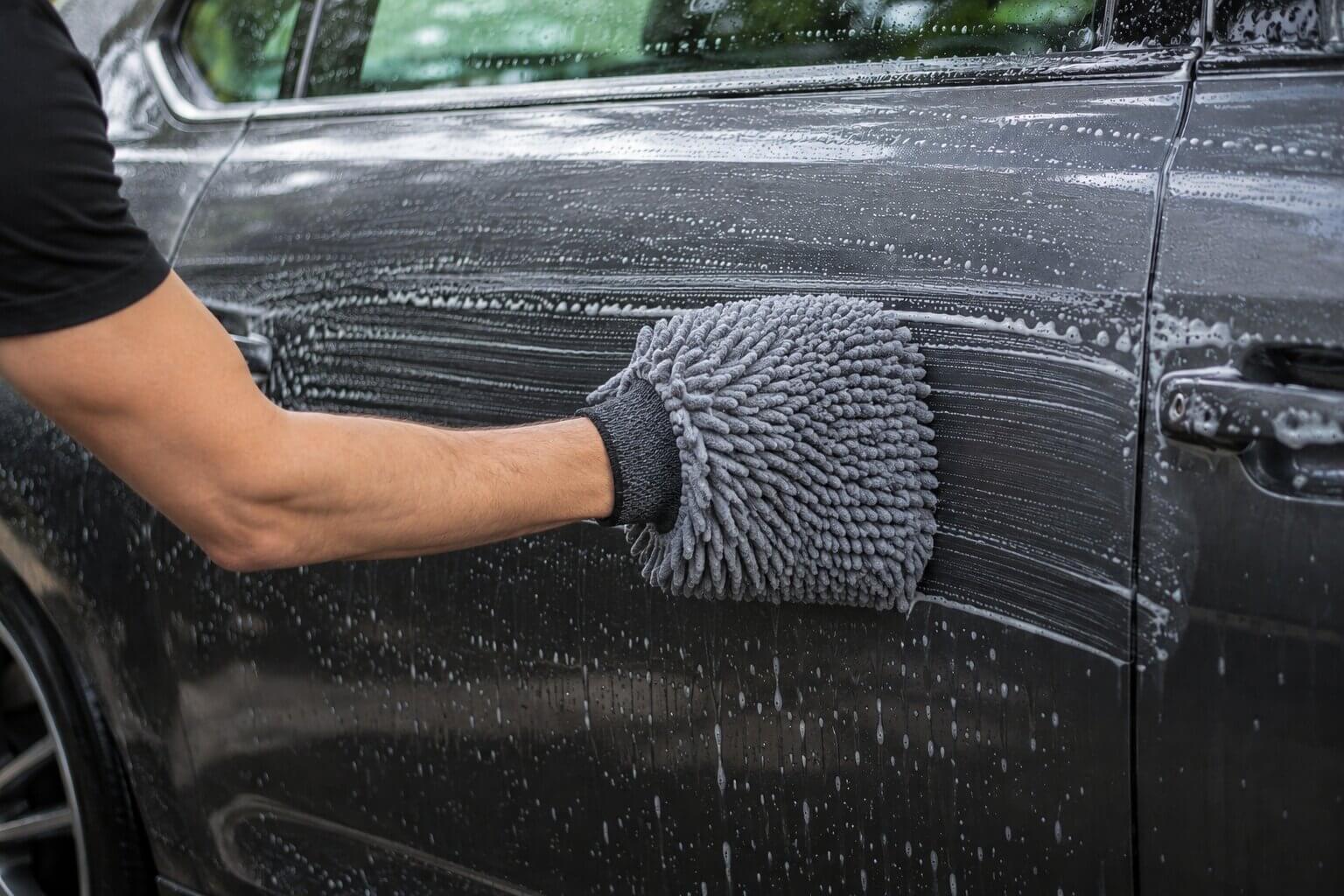
| Body Panels | Microfiber Wash Mitt | Traps grit deep in the fibers instead of pushing it against paint. |
| Drying | Microfiber Drying Towel | Absorbs large amounts of water quickly without scratching. |
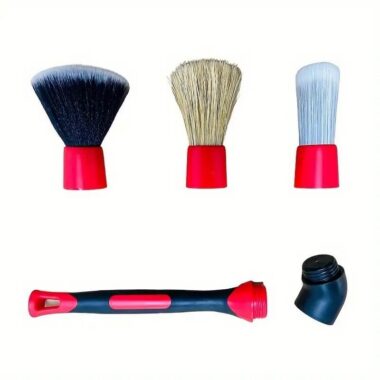
| Wheels & Vents | Car Detailing Brush Set & Separate Cloth | Keeps harsh brake dust isolated from body panels and reaches into tight interior gaps. |
| Glass | Multi-Cleaner & Glass Cloth | Provides a streak-free finish for interior windows and spot cleaning. |
| Interior Surfaces | Multi-Cleaner & Soft Microfiber | Safely cleans plastics, screens, and trims. |
| Exterior Protection | Liquid Skin | Long-term protection that makes future washing much easier. |
What you do not need every week: Clay bars, machine polishers, heavy compounds, and ceramic detailing tools. While a snow foam pre-wash is an excellent modern way to loosen dirt without scratching, it is not strictly mandatory if you thoroughly pre-rinse your car. However, using a foam gun (which attaches to a standard hose) or a foam cannon (which requires a pressure washer) significantly reduces the risk of micro-scratches.
Step-by-Step Exterior Wash
Using the right order is essential to avoid contaminating clean panels.
- Park in shade.
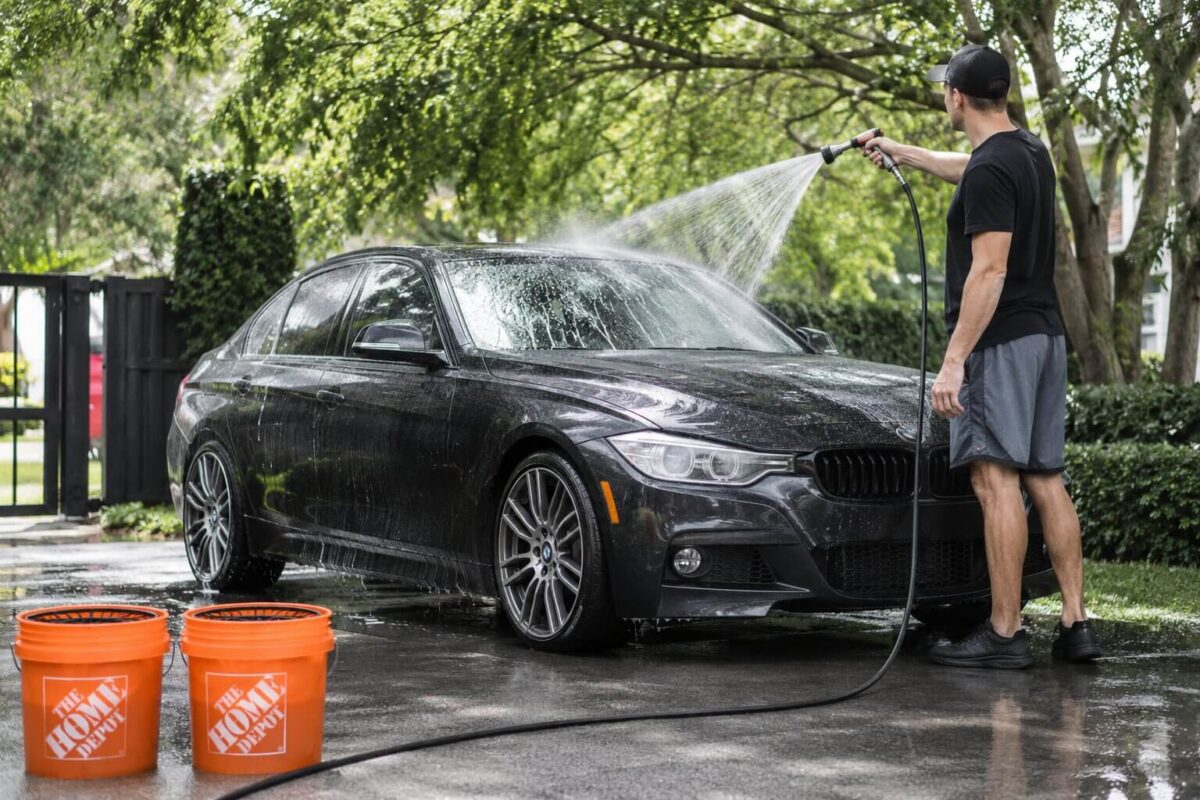
- Pre-rinse & Foam (Optional): Remove loose dirt with a thorough pre-rinse from the top of the car downwards. If you have a foam gun or cannon, apply a thick layer of snow foam, let it dwell for a few minutes to loosen grime, and rinse it off before making physical contact with the paint.
- Clean wheels first: Use a separate bucket, brushes, and cloths for wheels. Wheels first is best if tools and water are strictly separate; never put wheel tools back onto the paint.
- Prepare two buckets: Fill one bucket with Lumina shampoo solution and the other with clean rinse water. Place a grit guard in the rinse bucket.
- Wash from top to bottom: Start at the roof and work your way down, washing one panel at a time. Use straight-line, back-and-forth strokes rather than circular motions. Note: If you have a black or dark-coloured car, extra care is required. Use lower contact pressure and rinse your mitt more frequently.
- Rinse the mitt: After every panel, rinse your wash mitt in the clean water bucket before returning it to the shampoo solution.
- Leave dirty areas for last: Wash lower panels, bumpers, sills, and the rear of the car last, as they hold the most grit.
- Final rinse: Rinse the entire car thoroughly with clean water.
- Dry immediately: Use a clean, high-GSM microfiber drying towel to absorb water before it leaves mineral spots. If you want extra protection, apply Liquid Skin later, after the car is clean and fully dry.
- Clean windows: Exterior glass is cleaned with Lumina during the wash. Use a dedicated glass cloth and Multi-Cleaner for final interior window clarity.
Do not forget the tire sidewalls: Clean them during the wheel step with a separate tire brush and a tire-safe cleaner. If you use tire dressing, apply it only after the car is fully dry and only to the sidewall, never to the tread, brake components, or wheel face. Let the dressing dry before driving to reduce product sling onto clean paint.
Air Blower vs Microfiber Towel: How to Dry Your Car Without Water Spots
A car air blower is a corded or battery-powered tool that dries the car by moving air across the surface, so no cloth ever touches the paint. This is different from air drying by simply letting the car sit — that lets water evaporate slowly and leaves mineral spots behind. A blower actively pushes water off in minutes.
Its main advantage is reaching the gaps a towel can’t: wing mirrors, badges, door handles, fuel-cap surrounds, wheel spokes, trim seams, and window or sunroof channels. Water trapped in these spots often drips out later and leaves fresh spots on panels you already dried.
For most home washes, a blower works best alongside a microfiber towel rather than instead of one, unless the unit is powerful enough to clear large panels on its own:
- Do the final rinse as usual.
- Dry the main panels (roof, hood, doors, trunk) with a clean, high-GSM microfiber towel.
- Use the air blower on mirrors, door handles, badges, trim seams, wheel spokes, and any gaps where water pools.
- Check door sills and lower trim last, since these areas hold water longest.
Battery-powered blowers are more portable for outdoor use with no mains access nearby; corded units usually hold stronger continuous airflow for repeated washes.
See our car dryer air blower for a compact option built for this step.
Waterless and Rinseless Washing: Only for Light Dirt
A waterless or rinseless wash can be useful when hose washing is not possible, especially in an apartment parking area. It is suitable only for light dust, pollen, fingerprints, and a thin film of road dirt. Do not use it on mud, winter salt, sand, or heavy grit: wiping that contamination without a thorough rinse recreates the exact scratch risk this article is designed to prevent.
Use a dedicated waterless wash spray or correctly diluted rinseless wash product with enough lubrication for paint. Do not substitute an ordinary interior or all-purpose cleaner unless its label specifically approves full exterior waterless washing. Keep several clean, soft microfiber cloths ready; a typical car may require 8-12 cloths so that dirty faces are never reused.
- Inspect the car and switch to a full wash if you can see or feel grit, mud, salt, or heavy traffic film.
- Work on one cool panel at a time and wet it generously with the dedicated product.
- Fold the microfiber cloth into quarters to create eight clean wiping faces.
- Make one light, straight pass with each clean face, then flip or replace the cloth. Do not scrub back and forth.
- Dry each panel with a separate clean microfiber towel before moving on.
This method uses much less water and produces less runoff than a hose wash, but it is a maintenance option between proper washes, not a replacement for removing winter grime, brake dust, or heavy contamination.
How To Wash Matte or Satin Paint Safely
Matte and satin finishes often use a textured clear coat that creates their low-sheen appearance. Wax, polish, clay, heavy rubbing, or a gloss-enhancing coating can flatten or fill that texture and leave permanent shiny patches. Check the vehicle manufacturer’s care instructions and use only products explicitly approved for matte or satin paint.
The Liquid Skin advice elsewhere in this article is for gloss-finished surfaces. Liquid Skin is a high-gloss coating, so do not apply it to matte or satin paint unless GoGoNano explicitly confirms compatibility with that exact finish. Bird droppings, sap, and tar also need faster attention on matte paint because polishing cannot be used later to correct an etched or glossy patch.
| Task | Do | Do Not |
|---|---|---|
| Washing | Use a manufacturer-approved matte shampoo and a clean, soft mitt. | Use wax shampoos, gloss boosters, or unverified cleaners. |
| Drying | Blot gently with a clean microfiber drying towel. | Rub repeatedly or drag a contaminated towel. |
| Spot cleaning | Soften contamination and use a matte-approved spot cleaner. | Dry-scrub bird droppings, sap, or tar. |
| Decontamination | Ask a matte-paint specialist when bonded contamination remains. | Use a clay bar without specific manufacturer approval. |
| Protection and correction | Use only a sealant explicitly approved for matte paint. | Wax, polish, machine-polish, or apply a gloss coating. |
Which Microfiber Cloth To Use On Each Part Of The Car
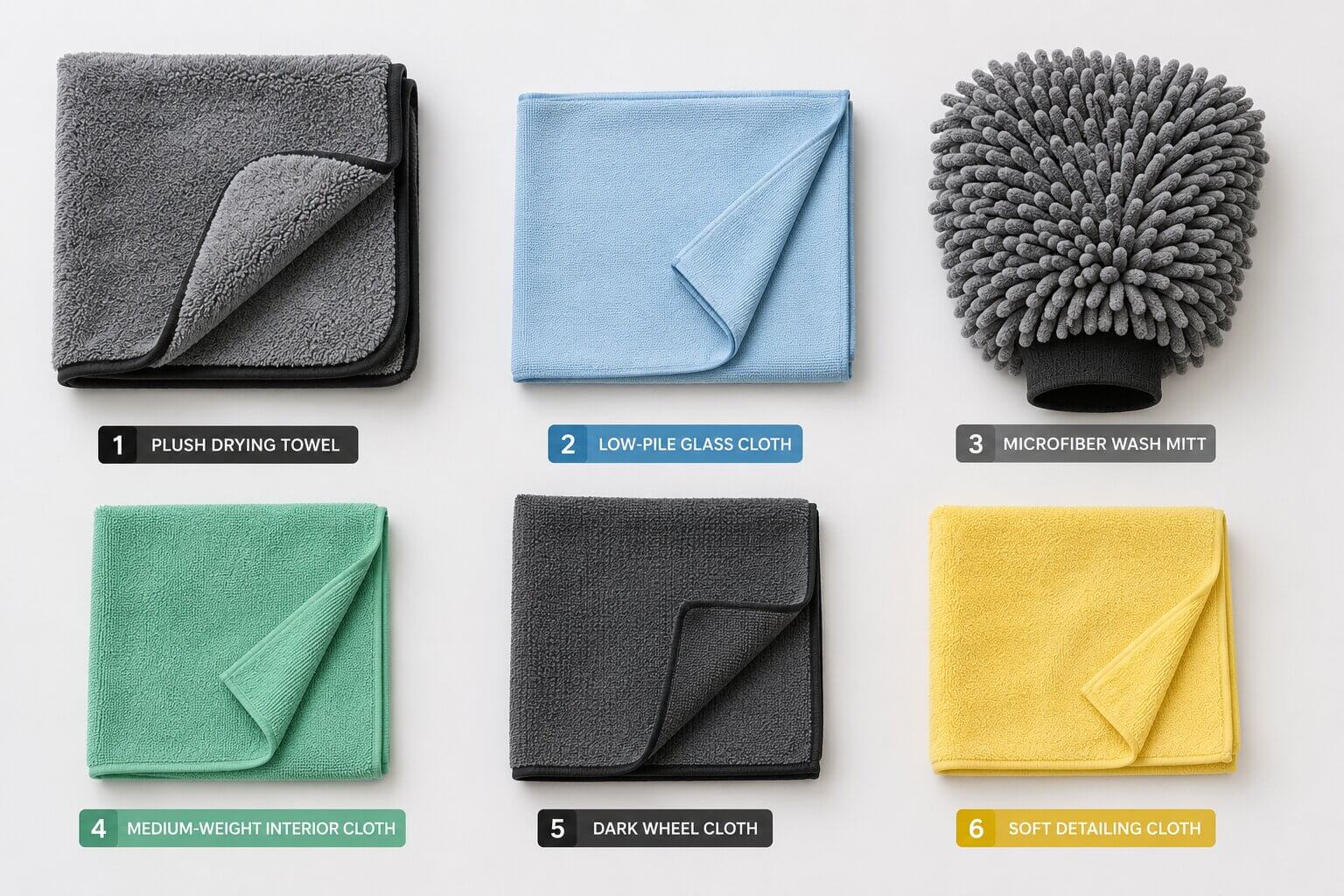
Using the right microfiber cloth is just as important as using the right shampoo. Different weaves and thicknesses serve specific purposes. To prevent cross-contamination between washes, store each cloth type separately in sealed bags or dedicated boxes. For a deeper dive into fiber types, read our full guide on choosing the right microfiber cloth.
| Car Area | Best Tool & GSM | Why | Avoid |
|---|---|---|---|
| Body panels | Microfiber wash mitt (800+ GSM) | Holds plenty of shampoo and safely lifts dirt away from the clear coat. | Traditional sponges, cotton towels. |
| Drying | Large high-GSM drying towel (600–1000+ GSM) | Absorbs water with very low pressure on the paint. | Bath towels, natural chamois on imperfectly clean paint. |
| Glass | Low-lint glass cloth (250–300 GSM) | Leaves no streaks or lint behind. | Plush drying towels. |
| Interior trim | Soft medium-GSM cloth (300–400 GSM) | Provides controlled wiping around delicate buttons and screens. | Any dirty exterior cloth. |
| Wheels | Separate dark/dirty-task cloth (300–400 GSM) | Isolates brake dust from the rest of your cleaning kit. | Any cloth you plan to use on paint later. |
| Coating buffing | Clean soft detailing cloth (300–400 GSM) | Ensures an even finish after the product has dried. | Deep dirty pile cloths, stiff fabrics. |
Interior Cleaning At Home
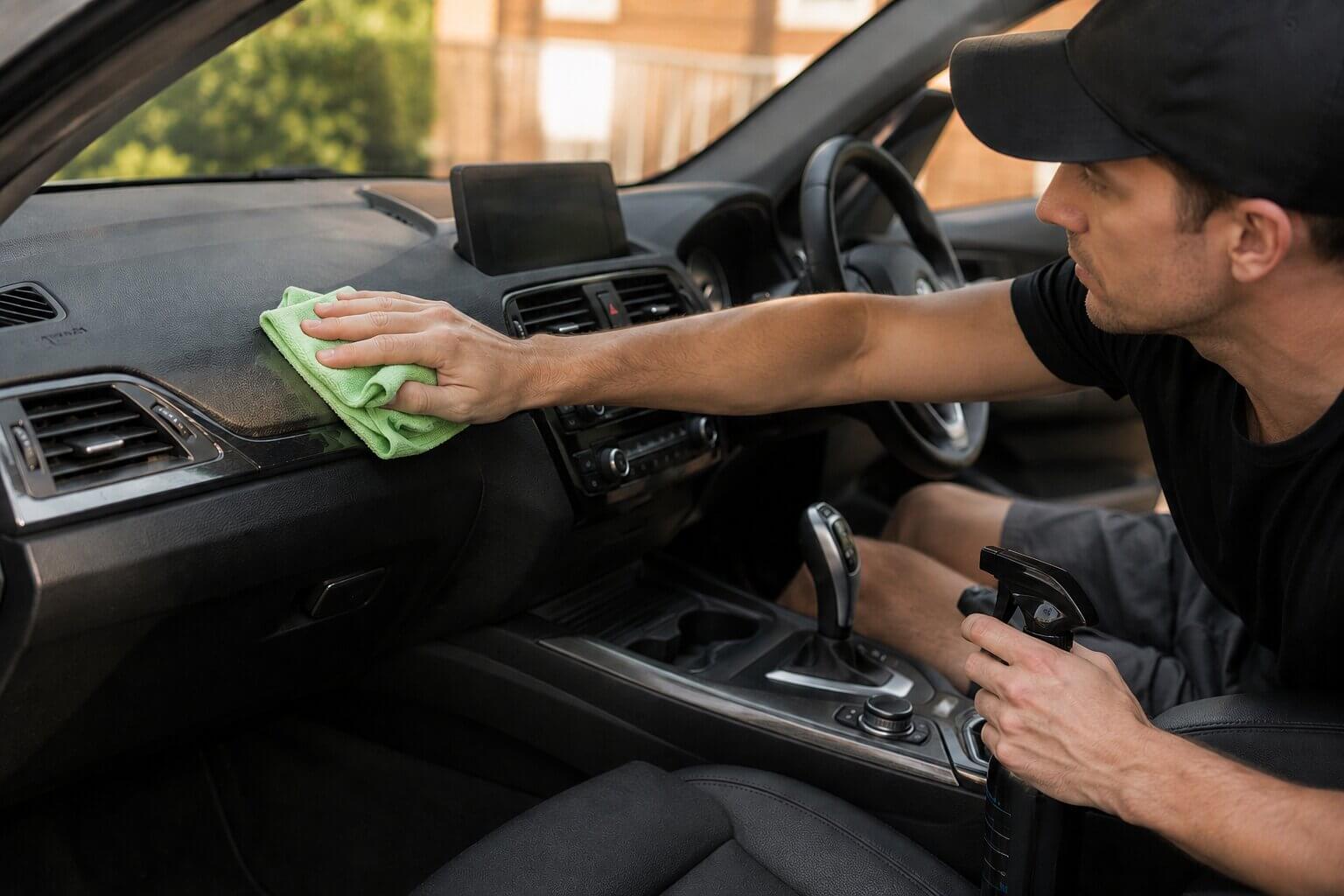
The interior of your car gathers dust, oils from hands, and dirt from shoes. Using Multi-Cleaner is a safe way to tackle most hard surfaces, including dashboard plastics, gloss black trim, and screens. When cleaning these surfaces, always spray the cleaner onto the cloth, not directly onto the electronics.
For the best results, use a two-cloth method: one slightly damp cloth with Multi-Cleaner to lift the dirt, and a second dry finishing cloth to wipe away any residue.
For air vents and tight trim gaps where a cloth cannot reach, use a soft detailing brush like the black brush in our Car Detailing Brush Set. For fabric seats, leather, and vinyl where dirt is embedded in the surface texture, an upholstery scrubbing sponge provides the agitation a cloth cannot — spray Multi-Cleaner onto the sponge and work in small sections.
If your interior suffers from bad odors, start by ventilating the car thoroughly and drying any hidden moisture sources (like wet carpets). Once dry, you can use a dedicated odor neutralizer like Fresh on upholstery and odor-prone textile areas where appropriate.
Cleaning Car Glass Without Streaks
Streak-free glass is important for both aesthetics and driving safety. Exterior windows are usually cleaned well with Lumina car shampoo during the main wash. For interior windows or spot cleaning, use Multi-Cleaner paired with a dedicated glass-specific microfiber cloth. Glass streaks usually happen for a few reasons: using too much product, wiping with a dirty cloth, encountering wax or silicone residue left by old cleaners, using hard water, or trying to clean hot glass in direct sunlight.
When cleaning the inside of your windshield, you must also remove the invisible film that builds up from ventilation systems, fingerprints, and outgassing from dashboard plastics.
Wash clear headlight lenses with Lumina and clean microfiber during the normal exterior wash. If a lens remains yellow or cloudy after washing, the problem is usually UV degradation of the polycarbonate rather than surface dirt; restoring it requires a dedicated headlight restoration process, not harder scrubbing.
Winter Salt, Bird Droppings, Tar, and Water Spots
The first thorough wash after winter deserves extra attention because salt and grit remain hidden in wheel arches, door sills, lower-panel gaps, and underbody seams after the roads look clean again. Flush these areas before contact washing, clean the inner door seams and rubber seals, and check that door and boot drain holes are not blocked. If the paint still feels rough afterward, use chemical decontamination first and clay only where genuinely needed before applying fresh summer protection.
Depending on where you live, environmental fallout can be aggressive. Winter road salt and grit significantly increase scratch risk, meaning you must pre-rinse much more carefully before touching the car. Bird droppings and tree sap should be softened with a wet cloth or dedicated cleaner first; never scrub them dry, as they can permanently etch the clear coat.
For tar and stubborn brake dust, standard shampoo might not be enough, and you may need dedicated removers or professional cleaning. When dealing with water spots, it is important to distinguish between fresh mineral deposits (which can often be cleaned off with gentle washing or a mild acidic cleaner) and etched spots that have eaten into the clear coat (which may require machine polishing).
When Washing Isn’t Enough: Decontamination
Even with careful washing, iron particles from brake dust and industrial fallout can embed themselves deep into your clear coat. If the paint still feels rough after a proper wash, that is the signal you need decontamination. This is a common issue as existing protection weakens or before refreshing a coating. In these cases, you will need to use a dedicated iron fallout remover and a clay bar to safely pull these embedded contaminants out of the paint before applying a fresh layer of protection like Liquid Skin.
Common Mistakes Checklist
| Mistake | Why It Causes Problems | Better Method |
|---|---|---|
| Using dish soap | Strips protection and can dry out rubber trims and plastics. | Use a dedicated car shampoo like Lumina. |
| One bucket only | Puts removed grit right back onto the paint. | Use the two-bucket method. |
| Washing too fast / skipping pre-rinse | Rubs heavy, loose dirt directly into the paint. | Always take the time to pre-rinse loose dirt away before making physical contact. |
| Reusing wheel cloths | Sharp brake dust particles will scratch paint deeply. | Keep wheel tools strictly separate. |
| Air drying | Leaves hard water spots on the clear coat. | Dry immediately with a microfiber drying towel. |
| Dirty microfiber | Causes swirl marks and scratches. | Wash and store cloths properly. Read our microfiber washing guide. |
| Overclaiming coating | Creates false expectations about scratch prevention. | Understand that coating helps cleaning, not impact protection. |
Nano Coating For Cars: What Liquid Skin Actually Does
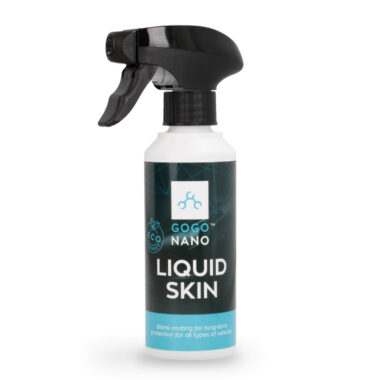
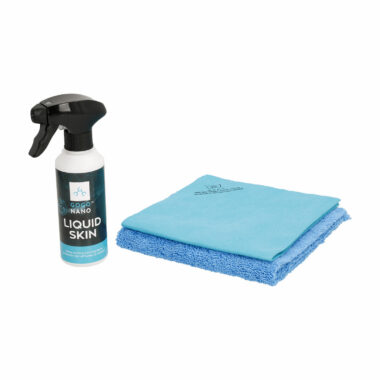
Liquid Skin acts as a protective layer on top of your clear coat that helps prevent water and dirt from bonding strongly to the surface. It can make future washing much easier and reduce how often you need to clean your car. However, it is important to understand its realistic limits: Liquid Skin does not prevent stone chips, impact damage, or scratches caused by careless washing with dirty tools.
How to apply Liquid Skin:
- Ensure the surface is completely clean and dry.
- Apply the coating lightly in the shade on cool panels, working one panel at a time.
- Allow each section to flash (dry slightly) according to the instructions before buffing.
- Buff the surface evenly with a clean, soft microfiber detailing cloth.

After application: Keep the treated surface dry until the coating has fully dried. The public Liquid Skin instructions do not state one universal first-wash interval, so follow the current product label and allow for temperature and humidity. For the first wash, use a gentle hand wash with Lumina and clean microfiber, and avoid aggressive degreasers or directing a pressure-washer nozzle close to the freshly treated surface.
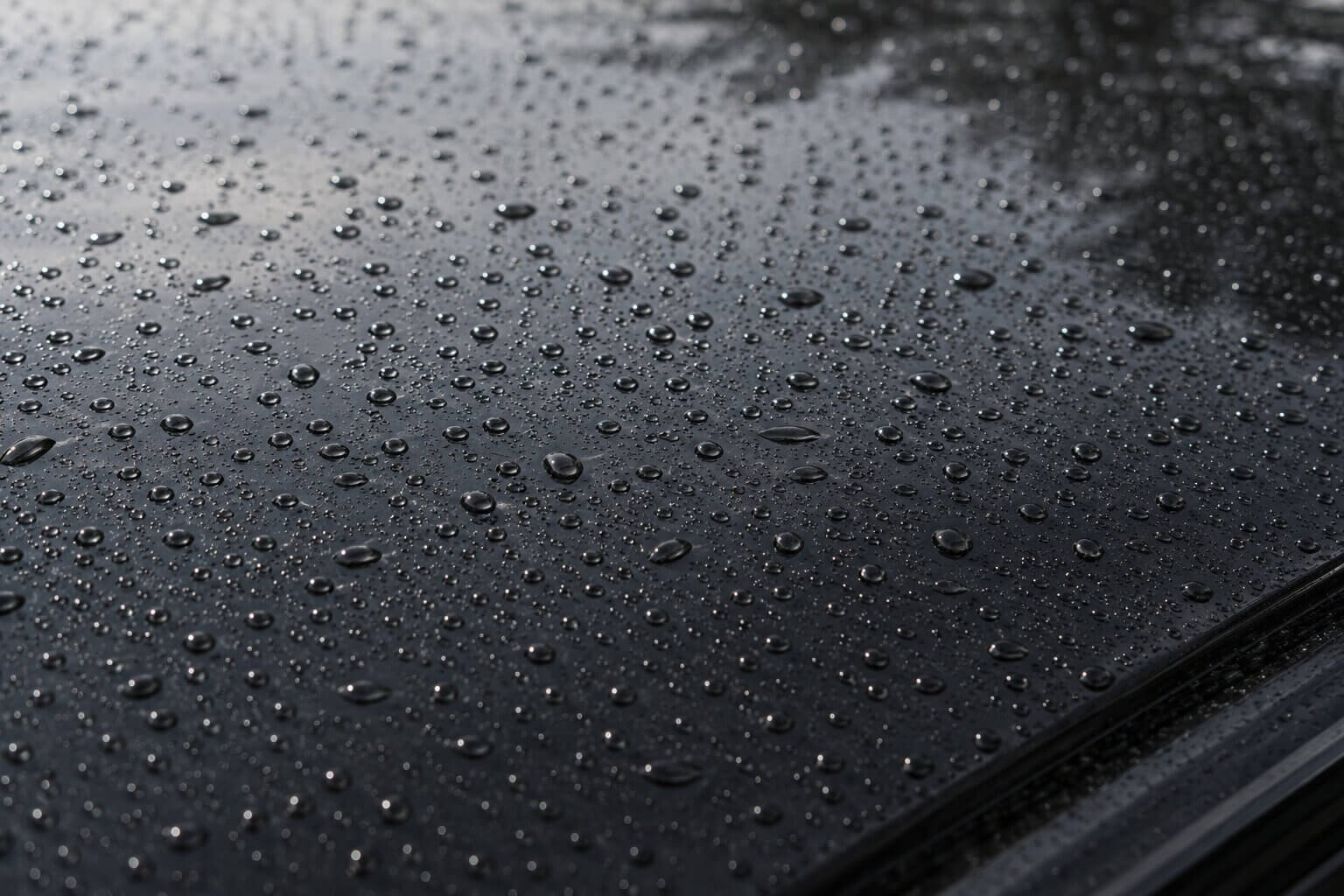
Protection can last up to 52 weeks depending on your local weather, washing frequency, physical abrasion, and the initial condition of the surface. Reapply at least twice a year for the best results. To check if your protection is still active, look at water behavior: if water stops beading into tight droplets or dirt begins to bond faster, it is time to refresh your coating.
Frequently Asked Questions
How often should I wash my car at home?
For a daily driver, washing every two to four weeks is generally recommended. However, you should wash it sooner if it is exposed to winter salt, heavy bug splatter, or bird droppings, as these can permanently damage the clear coat if left too long.
How long does it take to wash a car at home?
A basic exterior wash takes 30–45 minutes done properly. Rushing is the most common cause of swirl marks — skipping the pre-rinse or not rinsing the mitt between panels. A full wash including interior and glass takes 60–90 minutes.
Can I wash my car at home if I live in an apartment?
This depends on local environmental runoff regulations. In many European countries (such as Germany and Finland), washing a car in an apartment parking lot or driveway is restricted to prevent oily runoff from entering storm drains. Check your local municipality rules before washing at home.
Is it better to wash my car at home or at a car wash?
A careful home wash with the two-bucket method is safer for the paint than most automatic car washes, which use rotating brushes that accumulate grit. Touchless automatic washes are a reasonable middle ground but use harsh chemicals. Home washing gives you full control over tools, products, and technique.
What is snow foam and do I need it?
Snow foam is a thick pre-wash detergent applied with a foam gun or cannon that clings to the car surface and chemically loosens dirt before physical contact. It reduces scratch risk but is not mandatory if you pre-rinse thoroughly. A standard hose-compatible foam gun is enough for home use — you do not need a pressure washer.
Is a pressure washer safe for car paint?
Yes, but only if used correctly. For home use, a pressure washer rated between 1,200 and 2,000 PSI is ideal. Keep the nozzle at a safe distance (usually at least 30-50 cm away from the paint), use a wide fan-spray attachment, and avoid pointing it directly at compromised clear coat, loose trim, or rubber seals.
Can I wash my car in winter or in cold weather?
Yes, but only if temperatures are above freezing. Salt and grit buildup in winter makes pre-rinsing even more critical. Avoid washing when temperatures are near or below 0°C — water and shampoo freeze on the surface before you can dry them, and door seals and locks can freeze shut.
How do I dry my car without leaving water spots?
Dry immediately after the final rinse before water has time to evaporate. Use a large, clean, high-GSM microfiber drying towel and blot or drag gently rather than scrubbing. Work from the roof downwards. For extra water repellency later, apply Liquid Skin only after the car is clean and fully dry.
Should I use an air blower or a microfiber towel to dry my car?
How do I get rid of swirl marks on my car?
Light swirl marks can sometimes be improved with a paint polish or machine polisher. Deeper swirls require professional paint correction. Applying Liquid Skin after polishing protects the corrected surface.
How do I remove water spots from car paint?
Fresh water spots can often be removed simply by re-washing the car before the minerals harden. To reduce the chance of new spots, always dry your car immediately with a microfiber drying towel and apply Liquid Skin later on a clean, dry surface if you want longer water repellency. For older, etched deposits that have eaten into the clear coat, a mild acidic cleaner or professional polishing may be needed — see the decontamination section above.
Can I wash a car that already has nano coating on it?
Yes, in fact coated cars are easier to wash — dirt bonds less strongly. Use a pH-neutral shampoo like Lumina, avoid abrasive tools, and avoid aggressive alkaline degreasers that could degrade the coating prematurely.
What is the difference between wax and nano coating?
Wax sits on top of the paint to provide a warm gloss and short-term protection that typically lasts a few months. A nano coating like Liquid Skin bonds with the surface at a molecular level, offering longer-lasting hydrophobicity (water beading) and making the car easier to clean for up to 52 weeks.
What is the difference between paint protection film (PPF) and nano coating?
Paint protection film is a comparatively thick transparent film that physically absorbs stone chips, scratches, and impact damage that a nano coating cannot stop. It is normally installed by a professional and costs more. A nano coating such as Liquid Skin is a thin surface treatment that improves water repellency and makes washing easier, but it has no meaningful thickness for absorbing impacts. Some owners combine the two by using PPF on high-impact areas and a compatible coating elsewhere; apply any coating over PPF only when both manufacturers confirm compatibility.
Complete Your Car Care Kit


 Single product
 Pack of 3
 Pack of 6
 Pack of 12 / Full box
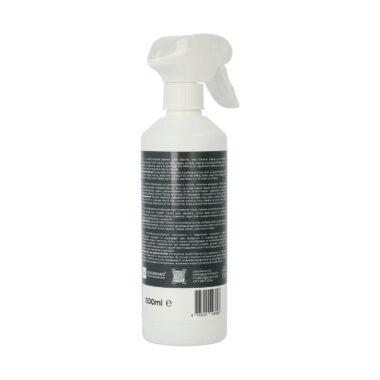
 Single product
 Pack of 3
 Pack of 6
 Pack of 12 / Full box
Interior Cleaning
 Single product
 Pack of 3
 Pack of 6
 Pack of 12 / Full box
Nano Coating


Cleaning Gloves
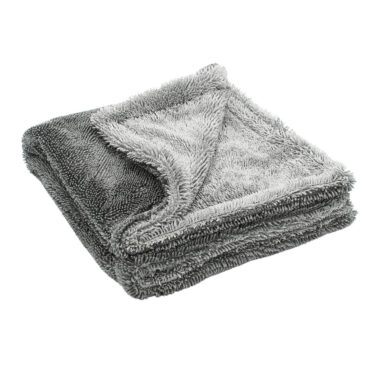
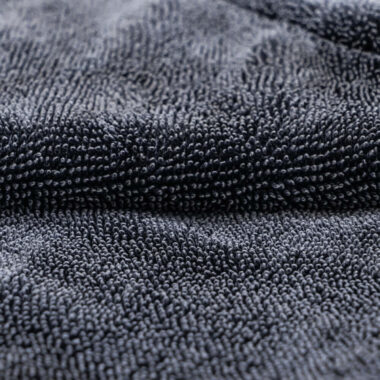
Car Cleaning Cloths

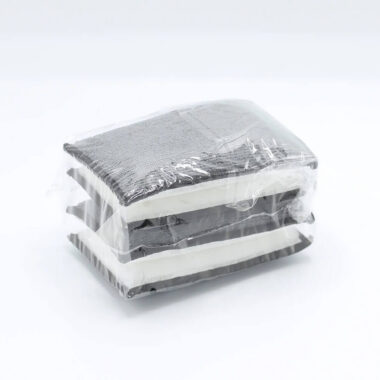
 Single productPack of 4
Sponges & Scrubbers
Upholstery Scrubbing Sponge for Leather, Textile, Vinyl, and Plastic
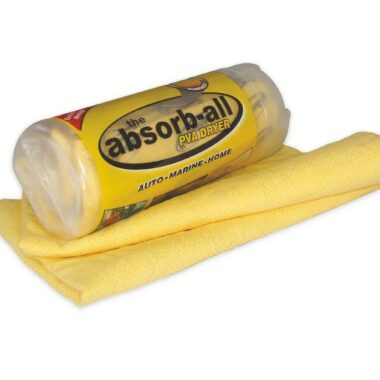
Car Cleaning Cloths


Latest articles
Useful
How to Choose the Right Refillable Sprayer or Spray Can
A practical guide to choosing a refillable sprayer by mechanism, capacity, reach, nozzle, bottle fit and chemical compatibility, with a product selector.
Read moreUseful
How to Clean a Car Interior Safely: Plastic, Fabric, Leather, Screens and Glass
A practical material-by-material method for cleaning dashboards, displays, seats, carpets, glass and trim without excess moisture, harsh scrubbing or avoidable surface damage.
Read moreUseful
How to Choose a Mop for Your Floors and Cleaning Routine
A practical mop selection guide for hard floors, homes and offices. Compare manual and powered systems, moisture control, head width, pad fit and lifetime cost before buying.
Read moreUseful
How a Melamine Sponge Works, Where to Use It and What to Avoid
Melamine sponges can erase marks with water alone, but their fine abrasive action is not safe for every finish. Learn how they work, how to test a surface, what to[...]
Read moreNews
GoGoNano Affiliate Program is now open
GoGoNano's affiliate program is now open for responsible creators, customers, bloggers, publishers and partners who want to recommend practical surface-care products.
Read moreNews Product overviews
GoGoNano Business Accounts: B2B Pricing for Cleaning, Surface Care and Resale
GoGoNano B2B accounts help cleaning companies, car detailers, facility teams, offices, hotels, resellers and distributors access eligible business pricing, repeat ordering and product support.
Read moreUseful
How to Waterproof a Jacket: Restore DWR and Diagnose Leaks
Restore your jacket's water repellency at home: diagnose wetting out, clean and reproof the outer fabric, and avoid mistakes that damage seams, zips or membranes.
Read moreUseful
How to Wash Your Car at Home Without Scratching the Paint
Most car wash scratches come from rubbing loose dirt into the paint — not from washing itself. This guide covers the two-bucket method, the right microfiber tool for every surface,[...]
Read more