




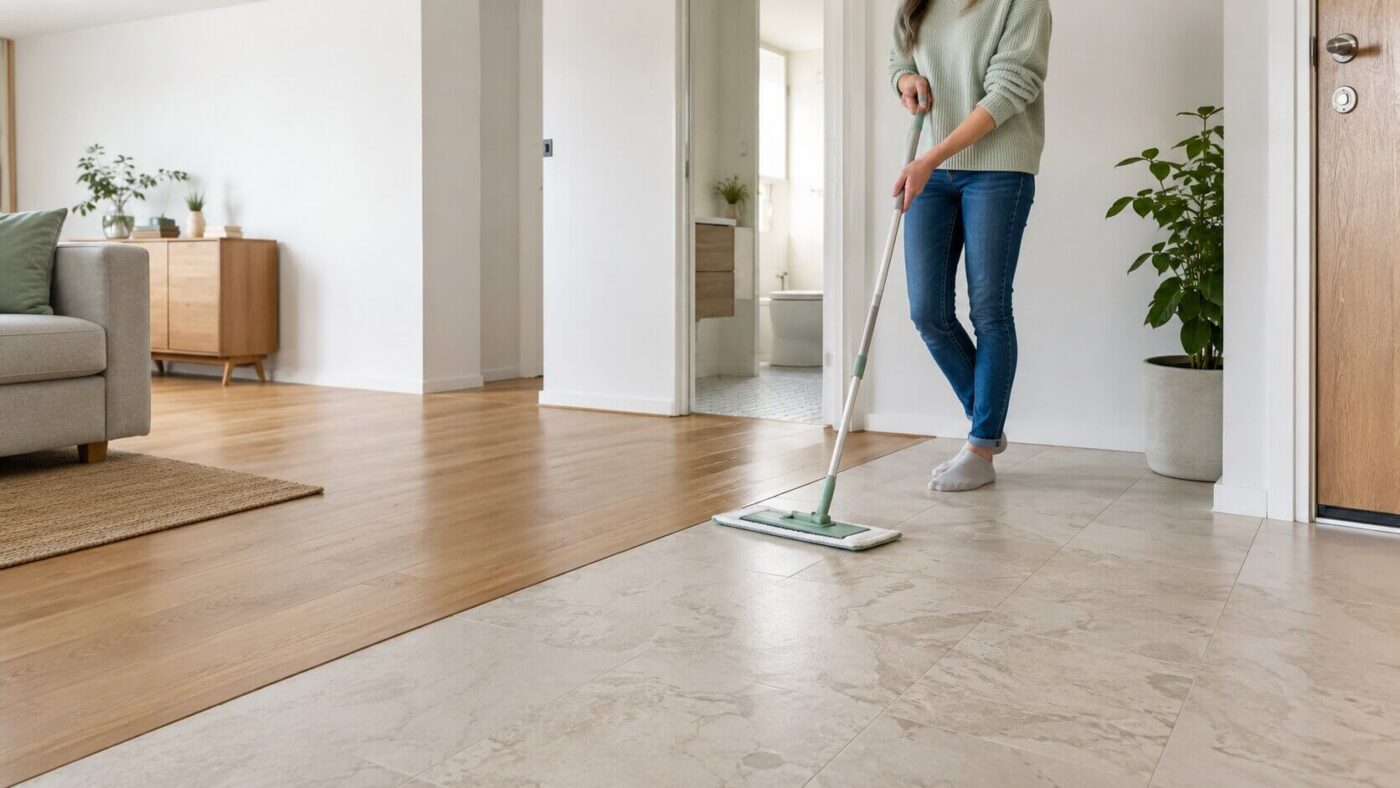
How to Clean Every Type of Floor Without Damaging It
Quick answer
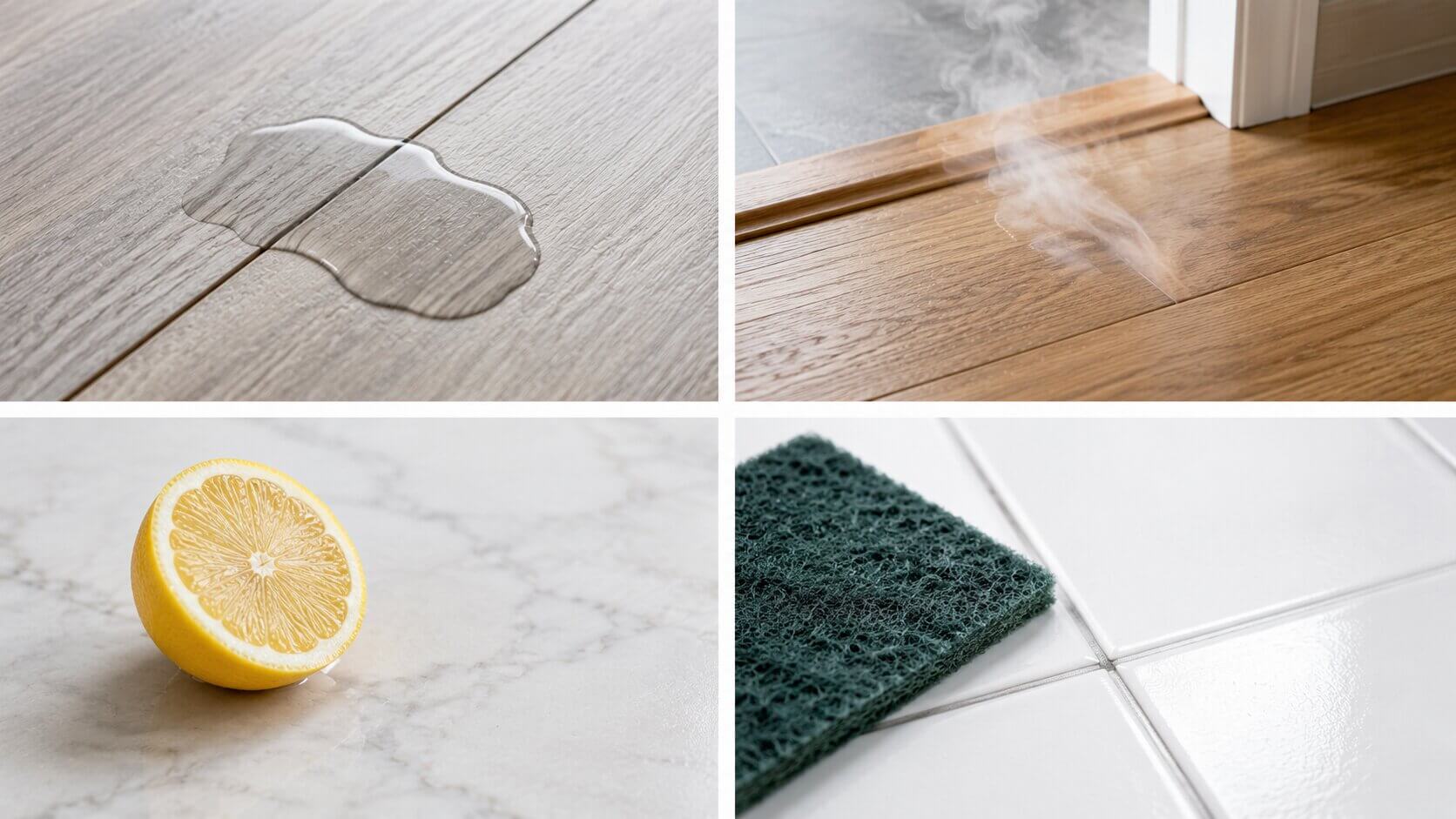
Different floors need different cleaning methods. The most common mistakes are too much water on wood and laminate, steam on floors that cannot handle heat and moisture, acidic cleaners on marble and natural stone, and abrasive pads on glazed or coated surfaces. For many hard floors, a clean-and-protect product such as EcoFloor helps dirt sit on top of the surface instead of bonding into it, so routine mopping becomes easier.
A floor usually looks simple until something goes wrong. Laminate starts swelling at the joints. A wood floor loses its shine. Marble turns dull where vinegar touched it. A vinyl floor gets a sticky film. Tile looks clean, but the grout stays dark. Most floor damage does not happen in one dramatic accident. It comes from using the same mop, the same amount of water, and the same cleaner on materials that react very differently.
The better routine starts before the bucket is filled. Know what the floor is made from, know how it is finished, remove grit before it scratches the surface, then clean with the least moisture and the mildest product that will do the job. Once the surface is clean, protection can reduce how strongly new dirt attaches, which is where GoGoNano EcoFloor fits naturally into everyday floor care.
Key takeaways
- Floor material matters more than the room. A kitchen may contain wood, laminate, vinyl, tile, stone, or concrete, and each one reacts differently to water, pH, heat, and abrasion.
- Dry cleaning comes first. Sand, dust, and grit act like fine abrasive powder under a mop, especially on wood, laminate, marble, and glossy tile.
- Water is the main risk for wood and laminate. Damp mopping is usually safe when the floor allows it; wet mopping and standing water are where damage begins.
- Acids do not belong on marble, limestone, travertine, or sensitive stone. Vinegar, lemon juice, citric acid, and strong descalers can etch the surface permanently.
- EcoFloor is a clean-and-protect option for many hard floors. It is suitable for laminate, varnished wood, vinyl, PVC, tile, stone, marble, and similar hard floors, but should not be used on untreated wood or oil-coated wooden floors.
Know your floor before you clean it
The first question is not “Which cleaner is strongest?” It is “What floor am I cleaning?” A product that is harmless on porcelain tile can damage marble. A mop that works well on vinyl can over-wet laminate. A cleaner that refreshes a varnished wood floor may dissolve or weaken an oil finish.
There are two layers to think about:
- The floor material: wood, laminate, vinyl, ceramic, porcelain, marble, slate, concrete, cork, linoleum, or another hard surface.
- The floor finish: varnished, lacquered, oiled, waxed, sealed, unsealed, polished, glazed, honed, or textured.
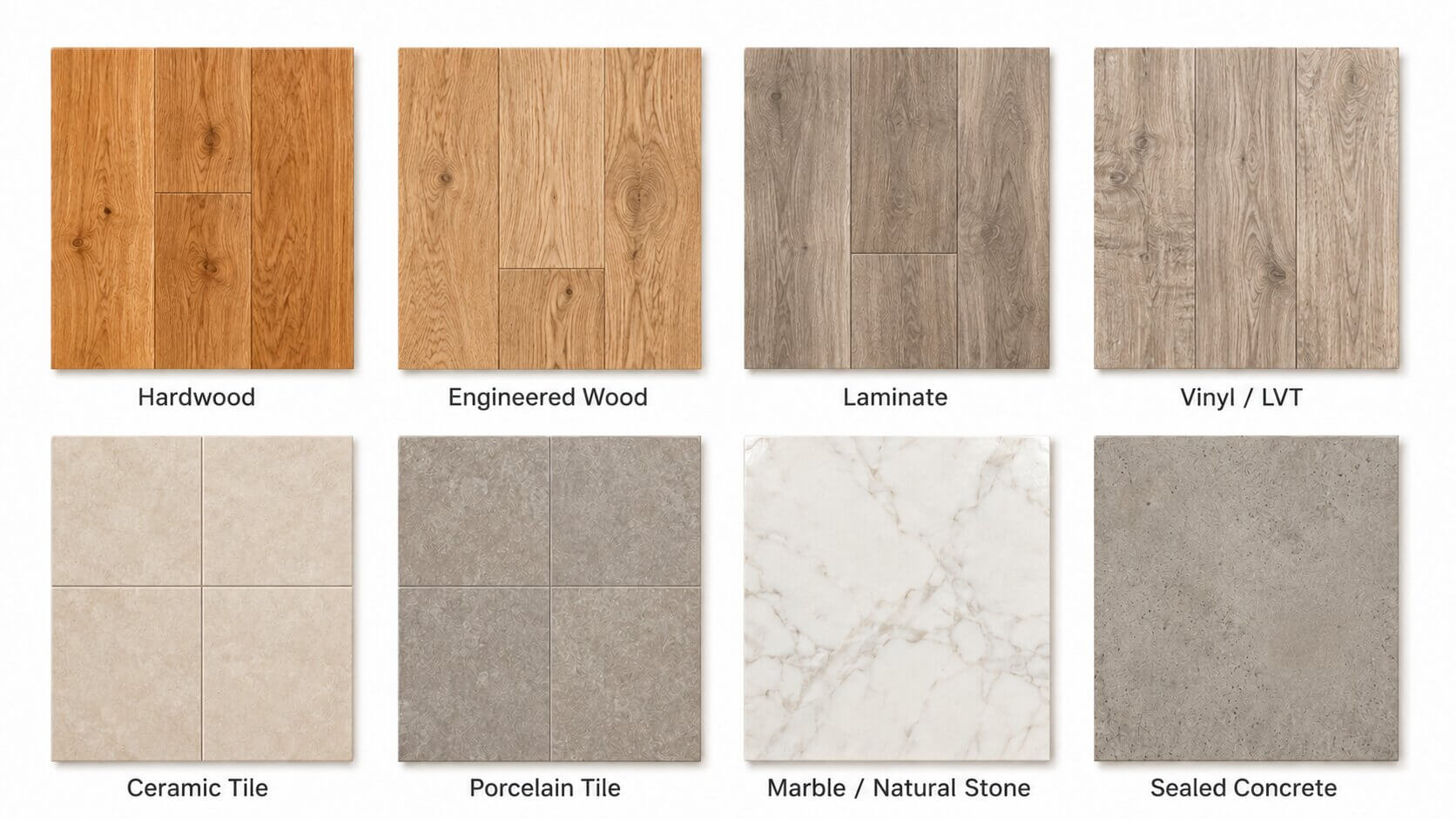
This distinction matters most with wood and stone. “Wood floor” can mean untreated boards, lacquered parquet, oiled engineered wood, waxed planks, or factory-finished boards. “Stone floor” can mean marble, granite, travertine, slate, limestone, quartzite, or terrazzo. The same general name can hide very different cleaning rules.
| Floor type | Water sensitivity | pH sensitivity | Steam and heat risk | Safest everyday method |
|---|---|---|---|---|
| Hardwood | High, especially at joints, scratches, unfinished areas, and worn finish. | Use mild, wood-safe or pH-neutral products. Avoid harsh alkaline, bleach, ammonia, and repeated acids. | High. Steam can force moisture into joints and damage finish over time. | Dry clean first, then damp mop only if the finish allows it. Dry any wet areas immediately. |
| Engineered wood | Medium to high. The top layer is wood, and the layered structure can react to moisture. | Depends on finish. Oiled floors need oil-safe care; varnished floors need mild cleaners. | High. Heat and moisture can affect layers, adhesive, and surface finish. | Vacuum or sweep, then lightly damp mop. Avoid EcoFloor on oil-coated wood. |
| Laminate | High at joints and damaged edges. The surface resists wear, but the core can swell. | Avoid wax, polish, oil-based shine products, harsh alkaline cleaners, and strong solvents. | High. Steam can enter seams and cause swelling or delamination. | Dry clean often, then use a well-wrung damp mop. No standing water at joints. |
| Vinyl, LVT, and PVC | Low on the surface, but seams, edges, adhesive, and subfloor can still be affected. | Avoid solvent-based cleaners, strong ammonia, abrasive powders, wax buildup, and oil residues. | Medium to high. Steam may soften adhesives or affect plank edges. | Sweep or vacuum, damp mop with a mild floor cleaner, and avoid flooding. |
| Ceramic and porcelain tile | Low for the tile surface. Grout may be more porous and stain easily. | Tile is usually tolerant, but grout can react to repeated acid or bleach use. | Usually lower risk on sound tile, but steam can stress old or damaged grout. | Sweep, damp mop, and clean grout separately with a brush and suitable cleaner. |
| Natural stone and marble | Medium to high depending on porosity, finish, and sealing. | High. Marble, limestone, and travertine are especially acid-sensitive. | Medium. Heat and moisture can affect sealers and porous stone. | Dust mop, then use a pH-neutral cleaner. Avoid vinegar, lemon, citric acid, and strong descalers. |
| Sealed concrete | Low to medium if properly sealed. Unsealed concrete absorbs water and dirt. | Concrete dust is alkaline; sealed floors still need mild cleaners to protect the finish. | Depends on sealer. Heat may dull or weaken some coatings. | Dust first, then damp mop. Unsealed concrete may need sealing before normal floor care works well. |
Two quick tests before you mop
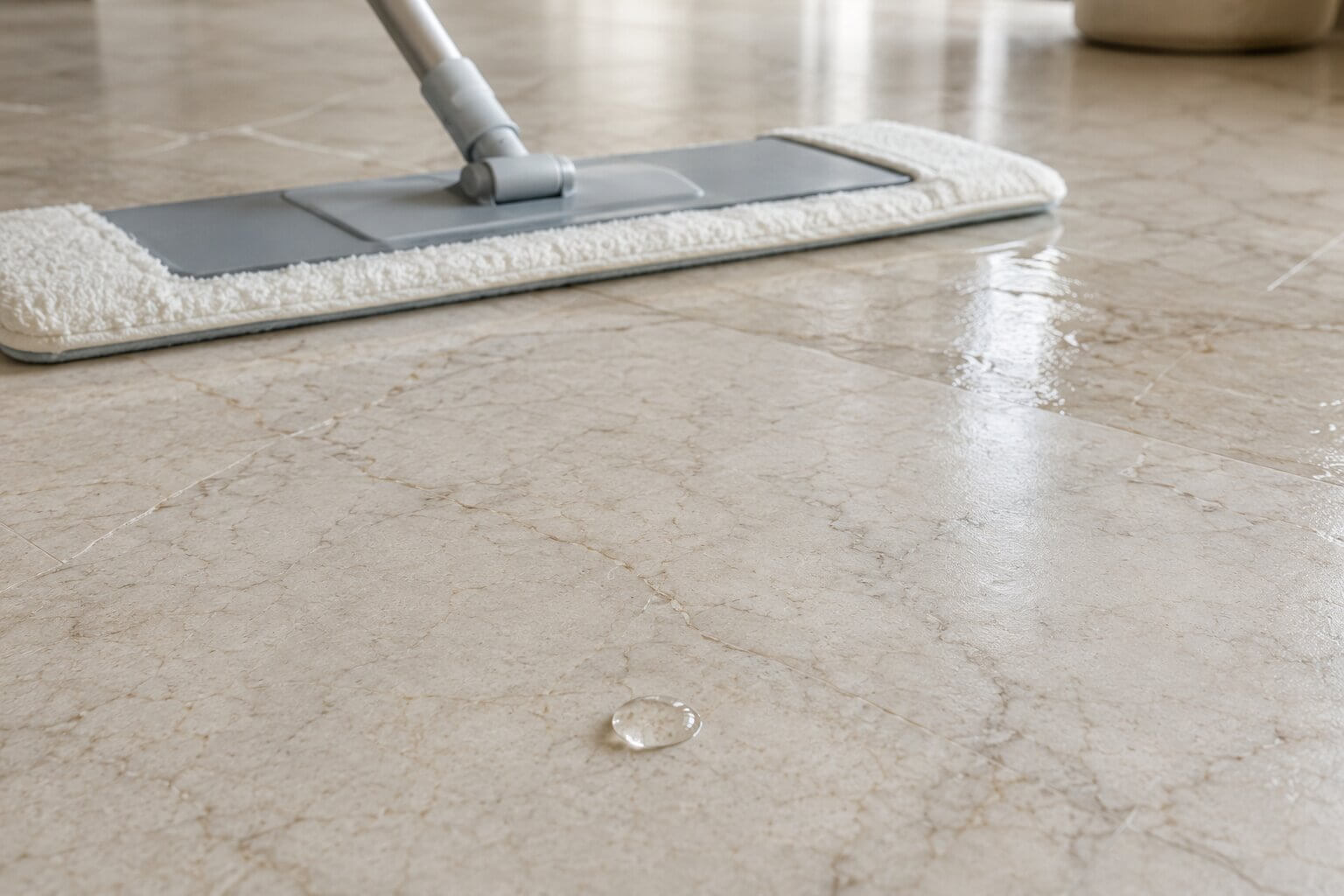
1. Water-drop test. Put a few drops of clean water on an inconspicuous area and wait several minutes. If the water beads and stays on the surface, the floor is likely sealed well enough for careful damp cleaning. If it darkens, absorbs, or spreads, the surface is porous or the finish is worn.
2. Hidden-area test. Test any new cleaner, mop pad, brush, or protection product in a corner, under furniture, or another low-visibility area. Let it dry fully, then check for dulling, streaks, color change, swelling, slipperiness, or residue.
Also check the floor manufacturer’s care guide where possible. Many warranties exclude damage caused by the wrong cleaner, steam mop, abrasive pad, wax, polish, or excess water. This is especially important for laminate, engineered wood, vinyl plank, and factory-finished wood floors.
What to avoid before damage starts
Competitor floor guides often hide the warnings near the end. They belong near the beginning because the wrong method can permanently damage the floor before the dirt is even gone.
Steam mops on wood, laminate, and many vinyl floors
Steam looks clean because it feels powerful, but heat plus moisture is a risky combination. On wood and engineered wood, steam can enter joints, scratches, worn finish, and exposed edges. On laminate, it can reach the fibreboard core and cause swelling or delamination. On vinyl plank and LVT, heat may affect adhesives or plank edges. Steam can be useful on some ceramic and porcelain tile, but only when the grout and installation are in good condition.
Vinegar, lemon, and acidic DIY cleaners on natural stone
Marble, limestone, and travertine contain calcium carbonate, which reacts with acid. Vinegar, lemon juice, citric acid, and strong descalers can etch the surface, leaving dull marks that normal cleaning will not remove. Acidic cleaners can also weaken some grout over time. For stone and marble floors, use neutral floor cleaning instead of acidic shortcuts.
Too much water on wood and laminate
Standing water can enter board joints, damaged finish, skirting edges, or small gaps. On wood, this can lead to swelling, cupping, stains, and gaps. On laminate, it can cause lifted edges, bubbling, and soft seams. If a floor needs to dry for a long time after mopping, the mop is too wet.
Bleach on colored grout and delicate finishes
Bleach can lighten colored grout gradually and may affect nearby finishes. It also does not remove mineral scale or soil film by itself. If grout is black from dirt, grease, mildew, failed sealant, or damaged material, the correct treatment depends on the cause.
Abrasive pads on glazed tile, vinyl, laminate, and polished stone
A rough pad may remove a stubborn mark, but it can also remove gloss, scratch the wear layer, or dull a polished surface permanently. Use soft pads, microfiber, or a brush that matches the floor. Keep metal scourers away from floors.
Shine sprays, wax, and polish on floors that are not designed for them
Laminate and many vinyl floors do not need wax. Shine products can create a film that attracts dirt and becomes slippery or patchy. On oiled wood, using the wrong cleaner can strip the oil. On varnished wood, wax or polish buildup can make later recoating more difficult.
The safe cleaning order for most hard floors
The safest floor cleaning routine is usually the same sequence with different moisture levels:
- Remove loose grit. Sweep, dust mop, or vacuum with a hard-floor setting before wet cleaning.
- Spot-clean spills. Blot liquid quickly, especially on wood, laminate, marble, and porous stone.
- Use the correct dilution. More cleaner does not mean a cleaner floor; it often means residue.
- Mop damp, not wet. The mop should clean the surface without leaving puddles or wet seams.
- Change dirty water or pads. Grey mop water spreads soil back across the floor.
- Let the floor dry fully. Dry immediately if moisture remains on wood, laminate, stone, or high-risk areas.
For cloth and mop material selection, our microfiber cloth guide explains which textures work best for different surfaces.
If you still need to choose the tool itself, our mop selection guide compares flat, string, spin, spray and powered systems and explains how to match width, moisture control and pad attachment to the job.
EcoFloor is used at 5 caps, about 50 ml, in 5 litres of water for standard floor cleaning. It is low-foaming, so it also fits many floor-cleaning robots when the robot and floor manufacturer allow cleaning solution in the tank.
How to clean each floor type step by step
The steps below focus on hard floors because EcoFloor, floor mops, and floor cloths are built for hard-floor maintenance. Carpet and textile floor cleaning need a separate routine.
Hardwood and varnished wood floors
- Remove dust, sand, and grit with a soft broom, dust mop, or hard-floor vacuum setting.
- Check the finish. Varnished or lacquered wood can usually be damp mopped carefully; untreated or worn wood should not be wet cleaned without professional advice.
- Dilute a suitable pH-neutral floor cleaner correctly. EcoFloor can be used on varnished wood floors when the floor allows damp mopping.
- Use a well-wrung mop. The floor should look slightly damp, not wet.
- Wipe with the direction of the grain where possible.
- Dry any wet edges, joints, or puddles immediately.
Important: do not use EcoFloor on oil-coated wooden floors or untreated natural wood. Surfactants can dissolve or weaken the oil layer, which is the floor’s protection. Oiled wood needs an oil-compatible maintenance system.
If the room has underfloor heating, damp mopping is generally fine on a properly finished wood floor because the floor dries faster. The same rule still applies: avoid wet mopping and never leave standing water at board edges or joints.
For wood floor maintenance, the National Wood Flooring Association also recommends regular dry cleaning, quick spill removal, and avoiding wet mops or steam mops on wood floors.
Engineered wood floors
- Dry clean first so grit does not scratch the top wood layer.
- Confirm whether the surface is lacquered, oiled, waxed, or otherwise treated.
- Use a lightly damp mop only. Engineered boards can still react to moisture at seams and edges.
- Use a mild cleaner suited to the finish. EcoFloor fits varnished or sealed hard floors, but not oil-coated wood.
- Dry any remaining moisture after mopping.
Engineered wood is often more stable than solid wood, but it is not waterproof. Treat it as a wood floor, not as tile.
Laminate floors
- Sweep, dust mop, or vacuum regularly. Fine grit can dull the wear layer.
- Clean spills quickly so liquid does not sit at the joints.
- Mop with a barely damp microfiber mop or a spray-style system that controls water use.
- Use EcoFloor diluted correctly if the laminate manufacturer allows damp mopping with a floor cleaner.
- For stubborn spots, use a damp cloth and gentle pressure instead of scrubbing with an abrasive pad.
- Dry seams if any moisture remains visible.
Avoid steam, soaking wet mops, wax, polish, oil-based shine products, and cleaner sprayed directly into joints. Laminate can be easy to clean, but once the core swells, the damaged plank usually has to be replaced.
Underfloor heating does not make laminate waterproof, but it can help a lightly damp-mopped floor dry faster. Keep moisture controlled and dry visible wet seams so heat does not pull water into edges as the floor expands and contracts.
For parquet and laminate moisture control, see Kärcher’s parquet and laminate cleaning guidance.
Vinyl, LVT, and PVC floors
- Remove grit and dust first, especially in kitchens, entrances, and under chairs.
- Damp mop with a mild floor cleaner. EcoFloor is suitable for vinyl, LVT, and PVC floors when diluted as directed.
- Avoid flooding the floor, especially along plank seams, skirting boards, and door thresholds.
- Remove sticky marks with a soft cloth before they attract more dirt.
- Do not use solvent-based cleaners, abrasive powders, steel wool, or steam unless the floor manufacturer explicitly allows it.
Vinyl is one of the most forgiving hard floors, but it can still lose gloss, develop residue, or lift at edges if cleaned with the wrong product or too much heat.
Ceramic and porcelain tile floors
- Sweep or vacuum first. Tile is hard, but grit still scratches glossy finishes over time.
- Damp mop weekly or as needed with EcoFloor diluted in clean water.
- Work in sections so dirty water does not dry back onto the tile.
- Clean grout separately with a grout brush and an appropriate cleaner.
- Rinse or change water when the floor starts drying with a film.
Tile and grout are not the same surface. The tile may be dense and easy to clean, while the grout is porous, textured, and more likely to stain. If the tile looks good but the floor still looks dirty, the grout is usually the reason.
For tile and grout cleaning, Kärcher’s tile cleaning guidance also separates tile care from grout care.
Natural stone, marble, travertine, slate, and granite floors
- Dust mop often. Sand and grit are abrasive and can dull stone under foot traffic.
- Do a water-drop test if you do not know whether the stone is sealed or protected.
- Use a pH-neutral cleaner. EcoFloor is suitable for stone and marble floors when the surface allows damp mopping and the product is diluted correctly.
- Use a soft mop or floor cloth. Do not use abrasive pads on polished or honed stone.
- Dry the floor if water remains in pores, grout, texture, or low spots.
Marble deserves special caution. It is porous and acid-sensitive, so sealing or protection is important, but no coating makes it stain-proof or etch-proof. Wipe acidic spills quickly and keep vinegar, lemon, citric acid, toilet descalers, and strong bathroom acids away from stone floors.
The Natural Stone Institute’s care guidance also recommends neutral cleaners for natural stone and warns against acidic products on acid-sensitive stone.
Sealed concrete floors
- Dust first. Fine concrete dust and outdoor grit can make the floor look grey even after mopping.
- Check whether the concrete is sealed, polished, painted, waxed, or raw.
- Use a neutral floor cleaner and a damp mop. EcoFloor is suitable for sealed concrete floors that allow damp cleaning.
- Avoid harsh alkaline degreasers unless the floor finish specifically allows them.
- If water absorbs quickly into the concrete, consider sealing before relying on routine mopping.
Unsealed concrete behaves differently from sealed concrete. It can absorb oils, water, salts, and cleaning residue, so it may need professional cleaning or sealing before it becomes easy to maintain.
Cork, bamboo, linoleum, and rubber floors
These floors are often grouped with “easy-care” hard floors, but they have their own risks. Bamboo behaves more like wood than tile, so keep water low. Cork is porous and highly dependent on its seal. Linoleum can react to strong alkalinity and should not be confused with vinyl. Rubber can be damaged by solvents, oils, and some disinfectants. For these surfaces, follow the manufacturer’s care guide, use mild cleaning, and test first.
How often should you clean each floor type?
“Clean regularly” is not useful enough. The right rhythm depends on traffic, shoes, pets, children, weather, entrance mats, and whether the floor is protected. Use this as a starting point, then adjust by how fast the floor actually looks or feels dirty.
| Floor type | Daily or high-traffic habit | Weekly clean | Periodic deep clean or protection |
|---|---|---|---|
| Hardwood and engineered wood | Dust, sweep, or vacuum traffic paths; wipe spills immediately. | Damp mop only if the finish allows it. Dry wet areas at once. | Review finish wear, scratches, recoating, or oil maintenance based on the floor finish. |
| Laminate | Dry dust and remove grit from entrances and under chairs. | Light damp mop when needed, often weekly in kitchens and hallways. | Remove residue buildup if the surface looks cloudy. Replace damaged swollen planks. |
| Vinyl, LVT, and PVC | Sweep or vacuum grit; clean sticky spills before they spread. | Damp mop with mild floor cleaner or EcoFloor. | Remove film, inspect lifting edges, and avoid repeated polish buildup. |
| Ceramic and porcelain tile | Sweep visible grit and entrance dirt. | Damp mop; change water or pad when dirty. | Scrub grout, refresh grout sealer where needed, and remove residue film. |
| Marble and natural stone | Dust mop high-traffic areas and blot spills quickly. | Damp mop with neutral cleaner or EcoFloor if suitable for that floor. | Check sealing/protection with the water-drop test and call a stone professional for etching or deep stains. |
| Sealed concrete | Dust mop or vacuum fine dust and entrance grit. | Damp mop with a neutral cleaner. | Inspect sealer wear, traffic lanes, stains, and areas where water absorbs. |
Entrance mats do more than make a doorway look tidy. They remove grit before it reaches the floor. For wood, laminate, marble, stone, and glossy tile, this is one of the simplest ways to reduce scratches and dullness.
Protecting floors: why it reduces how often you clean
Most floors are not perfectly smooth under magnification. Tile, stone, vinyl, laminate texture, sealed concrete, and even varnished wood have tiny pores, surface texture, joints, and micro-scratches where dirt can grip. When dirt bonds into those small irregularities, mopping needs more pressure, more water, or stronger chemistry.
A protective floor layer changes the maintenance logic. Instead of letting new dirt attach directly to the surface, protection helps reduce the grip between the dirt and the floor. Dirt still exists. Shoes still bring in dust. Spills still happen. But the next clean is usually easier because more of the dirt remains on top of the surface.
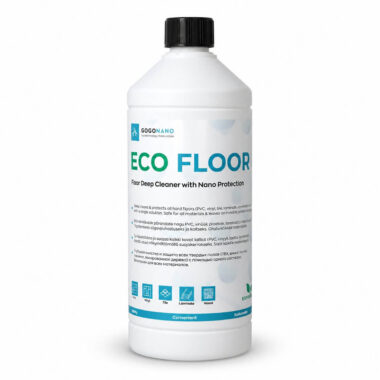
EcoFloor is built around this clean-and-protect idea. It removes everyday dirt and leaves a light invisible nano layer during normal mopping. One 1 L bottle is a concentrate, used at about 50 ml per 5 litres of water for standard cleaning, and can clean up to 2,000 m2 depending on area size, dosage, and soil level.
Which floors benefit most from protection?
- Tile and grout areas: protection helps reduce how strongly dirt and residue attach to tile surfaces.
- Marble and natural stone: protection helps with easier maintenance, especially when combined with careful neutral cleaning and quick spill removal.
- Vinyl, LVT, and PVC: routine cleaning can stay lighter because soil has less time to build into a film.
- Laminate and varnished wood: light damp cleaning with protection can reduce repeat dirt attachment, as long as moisture is controlled.
- Sealed concrete: protection helps maintenance on hard sealed surfaces, especially in entrances, corridors, shops, studios, and utility spaces.
What protection does not do
- It does not replace cleaning. Dust, grit, and spills still need to be removed.
- It does not repair scratches, swollen laminate, etched marble, damaged grout, or worn wood finish.
- It does not make porous stone or wood waterproof.
- It should not be over-applied. Too much cleaner or poor dilution can leave residue on any floor.
- It does not make oil-coated wood suitable for EcoFloor. Oiled wood needs oil-compatible care.
Where EcoFloor fits in the floor cleaning routine
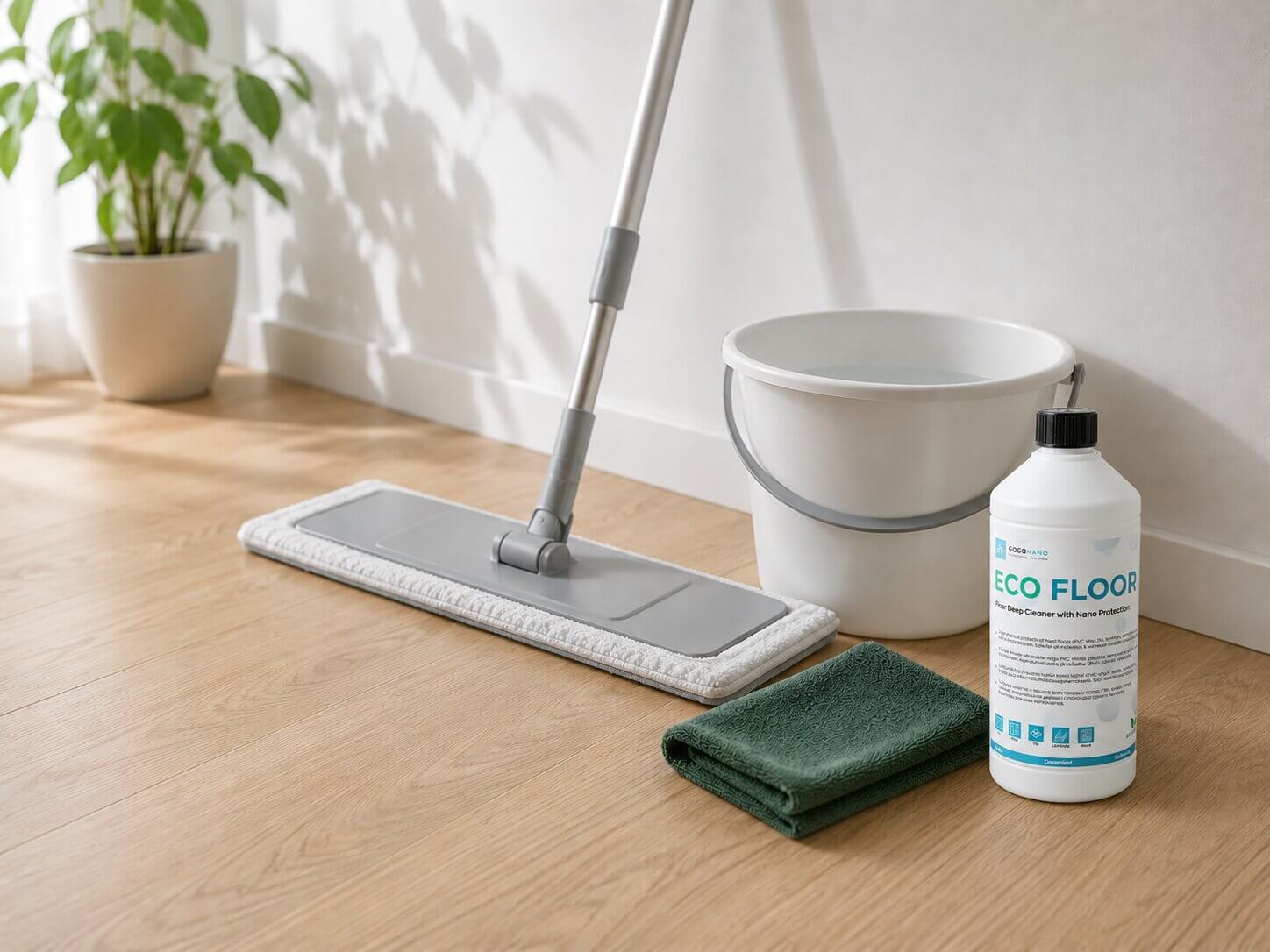
EcoFloor works best as the regular maintenance step after dry cleaning. Remove loose dirt first, dilute EcoFloor correctly, mop with controlled moisture, and let the floor dry. Used this way, it cleans the floor and renews a light protective layer at the same time.
Use EcoFloor on laminate, varnished wood, vinyl, PVC, ceramic tile, porcelain tile, marble, natural stone, and sealed concrete when the floor allows damp mopping. Do not use it on untreated natural wood or oil-coated wooden floors. If you are unsure about the finish, test first in a hidden area.
 Single product
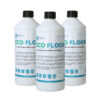 Pack of 3
 Pack of 6
 Pack of 12 / Full box
Floor Cleaning

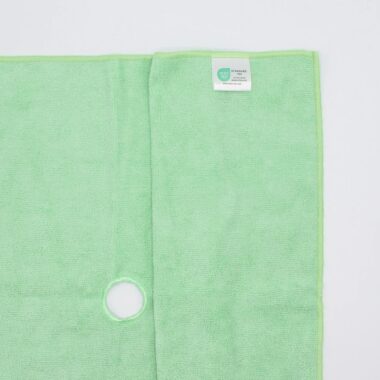
 Single productPack of 5
Floor Mops & Cloths
 Single productPack of 5
Mops & Mop Kit
 Single productPack of 5Pack of 10
Floor Mops & Cloths
Mops & Mop Kit
Mops & Mop Kit
Floor Mops & Cloths
When to stop and call a professional
Some floor problems are not cleaning problems anymore. Call a flooring or stone professional if you see swollen laminate boards, cupped wood, deep black stains in wood, etched marble, cracked or crumbling grout, lifting vinyl planks, water under the floor, recurring white powder on concrete or stone, or a finish that comes off on the mop. More cleaning will not fix structural, finish, or moisture damage.
FAQ: floor cleaning guide
Can I use the same cleaner on all my floors?
Not always. A multi-surface floor cleaner can work across many sealed hard floors, but the floor finish still matters. EcoFloor is suitable for laminate, varnished wood, vinyl, PVC, tile, marble, stone, and sealed concrete when the surface allows damp mopping. Do not use it on untreated wood or oil-coated wooden floors. For unusual floors such as cork, rubber, linoleum, or heavily worn finishes, follow the manufacturer’s care guide and test first.
Can I use a steam mop on laminate?
No, it is usually not worth the risk. Laminate has a moisture-sensitive core under the wear layer. Steam brings heat and water into the same process, and moisture can enter seams or damaged edges. This can cause swelling, bubbling, lifting, or delamination. Use dry cleaning and a barely damp mop instead.
Can I use EcoFloor with underfloor heating?
Yes, on suitable hard floors that allow damp mopping. Underfloor heating usually helps the floor dry faster, which reduces moisture risk during normal cleaning. Still avoid soaking the floor, leaving puddles, or letting water sit at laminate joints, wood board edges, or skirting boards. Do not use EcoFloor on oil-coated wooden floors.
How do I remove black grout stains?
First identify the cause. Black grout can come from dirt, grease, mildew, failed sealant, damaged grout, or moisture behind the tiles. Start with a suitable grout cleaner, a grout brush, and clean water. Avoid metal brushes and avoid repeated bleach on colored grout. If the black color returns quickly, the grout may need deeper cleaning, resealing, repair, or replacement.
Does floor protection make tiles slippery?
It should not when the product is diluted and used correctly. Slipperiness usually comes from over-application, residue buildup, dirty mop water, or walking on the floor before it dries. Use the recommended dilution, avoid adding extra product for normal cleaning, and let the floor dry fully before use. On polished tile or stone, test first.
How often should I apply floor coating?
EcoFloor renews a light protective nano layer during routine cleaning. The protective effect typically lasts about 2-4 weeks depending on foot traffic, floor type, soil level, and cleaning frequency. High-traffic entrances, kitchens, shops, studios, and offices may need regular use; low-traffic rooms may need it less often.

Latest articles
Useful
How to Choose the Right Refillable Sprayer or Spray Can
A practical guide to choosing a refillable sprayer by mechanism, capacity, reach, nozzle, bottle fit and chemical compatibility, with a product selector.
Read moreUseful
How to Clean a Car Interior Safely: Plastic, Fabric, Leather, Screens and Glass
A practical material-by-material method for cleaning dashboards, displays, seats, carpets, glass and trim without excess moisture, harsh scrubbing or avoidable surface damage.
Read moreUseful
How to Choose a Mop for Your Floors and Cleaning Routine
A practical mop selection guide for hard floors, homes and offices. Compare manual and powered systems, moisture control, head width, pad fit and lifetime cost before buying.
Read moreUseful
How a Melamine Sponge Works, Where to Use It and What to Avoid
Melamine sponges can erase marks with water alone, but their fine abrasive action is not safe for every finish. Learn how they work, how to test a surface, what to[...]
Read moreNews
GoGoNano Affiliate Program is now open
GoGoNano's affiliate program is now open for responsible creators, customers, bloggers, publishers and partners who want to recommend practical surface-care products.
Read moreNews Product overviews
GoGoNano Business Accounts: B2B Pricing for Cleaning, Surface Care and Resale
GoGoNano B2B accounts help cleaning companies, car detailers, facility teams, offices, hotels, resellers and distributors access eligible business pricing, repeat ordering and product support.
Read moreUseful
How to Waterproof a Jacket: Restore DWR and Diagnose Leaks
Restore your jacket's water repellency at home: diagnose wetting out, clean and reproof the outer fabric, and avoid mistakes that damage seams, zips or membranes.
Read moreUseful
How to Wash Your Car at Home Without Scratching the Paint
Most car wash scratches come from rubbing loose dirt into the paint — not from washing itself. This guide covers the two-bucket method, the right microfiber tool for every surface,[...]
Read more