
 Suomi
Suomi Latviešu
 Lithuanian
 Русский
 Deutsch

OEKO-TEX: Your Guide to Safe and Sustainable Textiles
In today’s environmentally conscious world, consumers are increasingly seeking products that align with their values of safety and sustainability. Textile certifications have emerged as valuable tools to guide informed purchasing decisions, with OEKO-TEX standing out as a leading organization dedicated to promoting safe and environmentally responsible practices throughout the textile industry.
Key Takeaways
- OEKO-TEX certification means safety. OEKO-TEX is a leading global certification system that tests textiles for harmful substances throughout the production process.
- OEKO-TEX cares about the environment. The certification also considers environmentally friendly production practices, ensuring textiles are made in a sustainable way.
- Look for the label to make informed choices. By choosing OEKO-TEX certified products, consumers support a healthier and more sustainable textile industry.
OEKO-TEX: A Pioneer in Textile Certification
Founded in 1992, OEKO-TEX has established itself as a beacon of innovation and integrity, setting the benchmark for textile safety and sustainability across the globe. Its comprehensive certification system, which encompasses Standard 100, STeP, and MADE IN GREEN, guides consumers towards safer choices and encourages manufacturers to adopt sustainable practices.
OEKO-TEX’s influence extends beyond Europe, impacting manufacturing practices, consumer awareness, and regulatory policies worldwide. It’s not just about creating safer textiles; it’s about fostering a culture where sustainability and consumer well-being are paramount. By setting high standards, OEKO-TEX has become a beacon of trust and a symbol of progressive change in the textile world.
Standard 100: Ensuring Safety for Every Touch
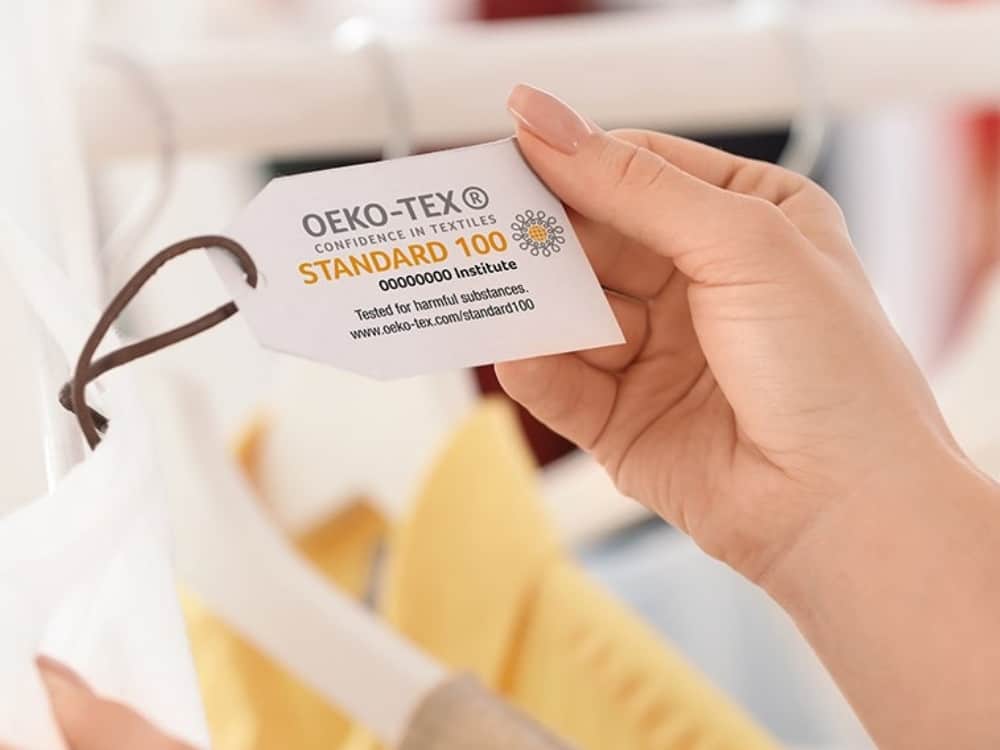
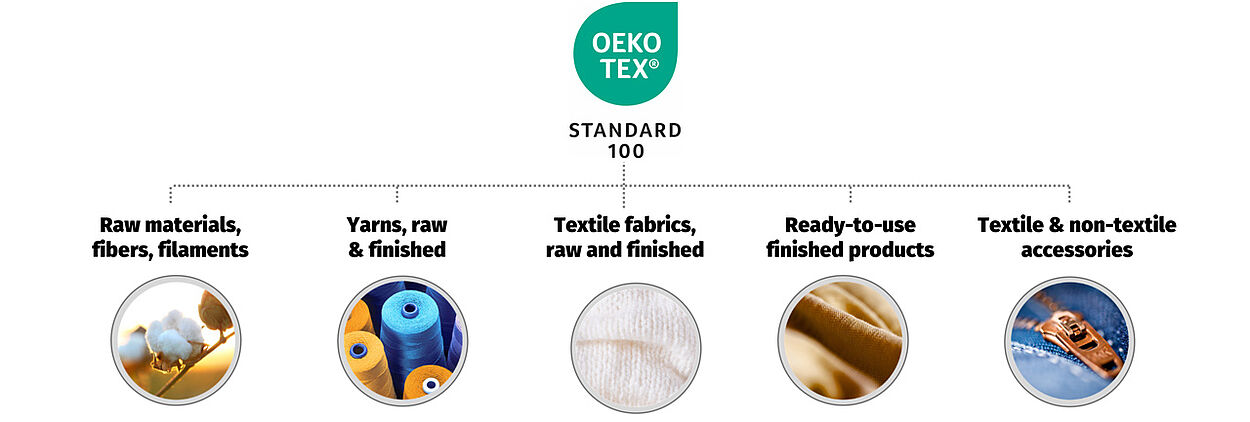
At the heart of OEKO-TEX’s mission lies Standard 100, the flagship certification that meticulously assesses the presence of harmful substances in textiles. This extensive testing process, carried out by independent OEKO-TEX institutes, guarantees that products ranging from clothing and bedding to home textiles are completely free from a wide range of potentially hazardous chemicals, including heavy metals, formaldehyde, pesticides, and other substances that could pose significant health risks. This means that you can have peace of mind knowing that our microfiber cloths are safe for your skin and overall health.
Benefits of Standard 100 Certification
- Protection from harmful substances: Standard 100 ensures that textiles are free from a comprehensive list of harmful substances, including azo dyes, formaldehyde, heavy metals, and pesticides.
- Peace of mind for consumers: Consumers can confidently choose textiles that are safe for their skin and overall well-being.
- Brand reputation boost: Manufacturers that achieve Standard 100 certification can enhance their brand reputation and attract conscientious consumers.
- Reduced health risks: Standard 100 helps to minimize the risk of skin irritation, allergies, and other health problems associated with exposure to harmful chemicals.
STeP: A Paradigm Shift towards Sustainable Practices
While ensuring chemical safety is paramount, OEKO-TEX’s vision extends beyond product testing. STeP, the organization’s dedicated sustainability certification, takes a holistic approach by evaluating and certifying manufacturing facilities based on their environmental performance, social responsibility, and quality management practices.
Benefits of STeP Certification
- Reduced environmental impact: STeP encourages manufacturers to adopt cleaner, more sustainable production methods, minimizing their environmental footprint.
- Improved working conditions: STeP promotes ethical labor practices and ensures that workers are treated with respect and dignity throughout the production process.
- Enhanced transparency: STeP provides transparency into the production process, allowing consumers to make informed choices about the products they purchase.
- Responsible sourcing: STeP encourages manufacturers to source their raw materials from sustainable and ethical sources.
MADE IN GREEN: The Ultimate Symbol of Textile Excellence
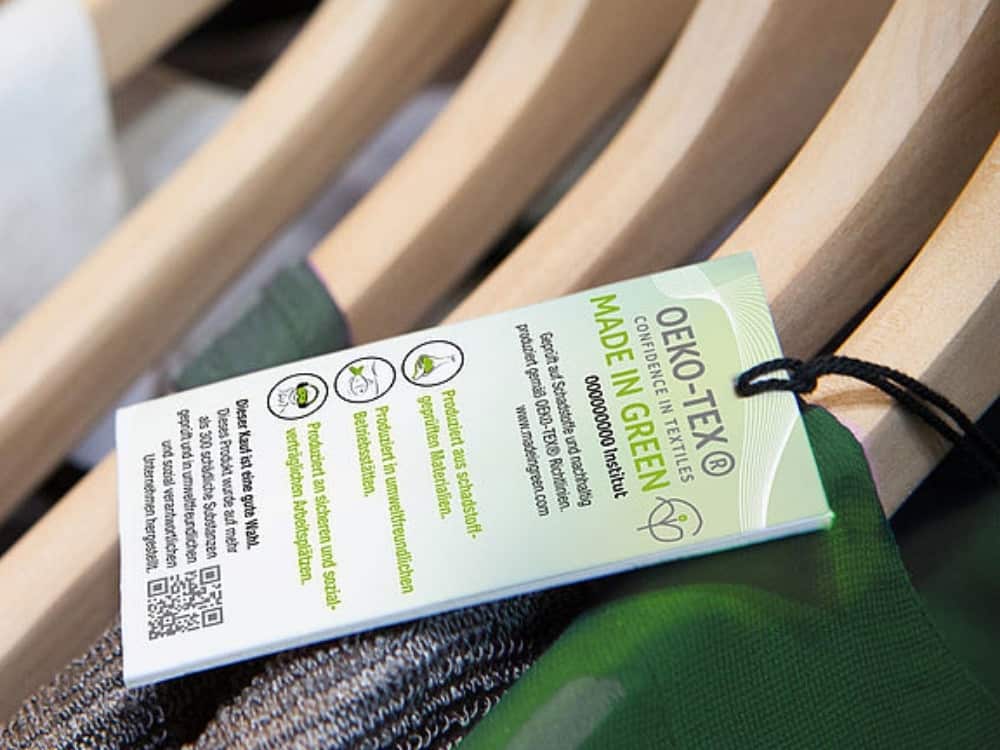
Combining the stringent standards of both Standard 100 and STeP, MADE IN GREEN by OEKO-TEX represents the pinnacle of textile certification. This prestigious label adorns products that not only meet the highest safety standards but also boast a commitment to sustainable manufacturing practices. By embracing MADE IN GREEN, manufacturers reaffirm their dedication to environmental responsibility and ethical production, earning the trust of conscious consumers worldwide.
Benefits of MADE IN GREEN Certification
- The ultimate assurance: MADE IN GREEN provides the highest level of assurance that products are both safe for human health and produced in a sustainable manner.
- Brand credibility: MADE IN GREEN certification enhances brand credibility and attracts environmentally conscious consumers.
- Reduced risk: MADE IN GREEN helps to reduce the risk of legal and reputational damage associated with the use of harmful chemicals or unsustainable production practices.
- Social responsibility: MADE IN GREEN promotes social responsibility and ensures that workers are treated with respect and dignity throughout the production process.
OEKO-TEX’s Commitment to Circular Economy
Beyond its certification programs, OEKO-TEX actively promotes circular economy principles, encouraging the textile industry to minimize waste, conserve resources, and extend the lifespan of textiles. The organization provides guidance and support to manufacturers on adopting sustainable practices such as product design for durability, efficient use of resources, and recycling and repurposing of textile waste.
The Impact of OEKO-TEX Certifications
The impact of OEKO-TEX certifications is evident across the global textile landscape. Leading brands and manufacturers worldwide have adopted OEKO-TEX standards, influencing production practices and consumer choices. The organization’s unwavering commitment to innovation and continuous improvement ensures that its certifications remain at the forefront of textile safety and sustainability, setting the benchmark for industry leaders and inspiring a wave of positive change.
Real-life Examples of OEKO-TEX’s Impact
OEKO-TEX certifications have made a significant impact on the textile industry, and there are numerous real-life examples that demonstrate this impact. Here are a few notable examples:
IKEA: IKEA, one of the world’s largest furniture retailers, has fully embraced OEKO-TEX Standard 100 certification for all of its textiles. This decision has not only ensured the safety of millions of IKEA customers but has also helped to raise awareness of the importance of textile safety among consumers worldwide.
Patagonia: Patagonia, a leading outdoor apparel brand, has been a strong advocate for OEKO-TEX certifications. The company has pledged to only use OEKO-TEX certified fabrics in its products, and it has also incorporated OEKO-TEX’s sustainable production principles into its own manufacturing practices.
H&M: H&M, a global fashion retailer, has made significant progress in adopting OEKO-TEX certifications. The company has certified over 80% of its textiles with OEKO-TEX Standard 100, and it has also committed to using OEKO-TEX STeP certified materials in its future collections.
These examples demonstrate the growing commitment of leading brands and manufacturers to OEKO-TEX certifications. As more and more companies adopt these certifications, the textile industry as a whole is moving towards a more sustainable and safer future.
A Future of Safe and Sustainable Textiles
As the textile industry evolves, OEKO-TEX remains at the driving force for positive change. By setting the highest standards for safety and sustainability, OEKO-TEX paves the way for a future where textiles not only safeguard our health but also harmonize with the planet’s delicate balance. Consumers, empowered by OEKO-TEX’s certifications, can make informed choices, driving manufacturers towards a more sustainable and ethical approach to textile production. In this collaborative effort, OEKO-TEX stands as a beacon of hope, guiding the industry towards a future where textiles embody both safety and environmental responsibility.
FAQ about OEKO-TEX certifcations
What are the different OEKO-TEX certifications?
OEKO-TEX offers three main certifications: Standard 100, STeP, and MADE IN GREEN.
- Standard 100: This is the flagship certification that ensures that textiles are free from a wide range of harmful substances.
- STeP: This certification focuses on sustainable production processes, evaluating and certifying manufacturing facilities based on their environmental performance, social responsibility, and quality management practices.
- MADE IN GREEN: This certification is the most comprehensive, combining the stringent standards of both Standard 100 and STeP. It ensures that products are not only safe for human health but also produced in a sustainable manner.
What are the benefits of OEKO-TEX certified products?
There are many benefits to choosing OEKO-TEX certified products, including:
- Peace of mind: Consumers can be confident that OEKO-TEX certified products are safe for their health and the environment.
- Brand reputation: Manufacturers that achieve OEKO-TEX certification can enhance their brand reputation and attract conscientious consumers.
- Reduced health risks: OEKO-TEX certifications help to minimize the risk of skin irritation, allergies, and other health problems associated with exposure to harmful chemicals.
- Improved working conditions: STeP certification promotes ethical labor practices and ensures that workers are treated with respect and dignity throughout the production process.
- Responsible sourcing: STeP encourages manufacturers to source their raw materials from sustainable and ethical sources.
How can I find OEKO-TEX certified products?
OEKO-TEX certified products are widely available from retailers worldwide. Look for the OEKO-TEX logo on product labels or packaging. You can also visit the OEKO-TEX website to search for certified products by brand, product type, or retailer.
What is the difference between OEKO-TEX and GOTS?
OEKO-TEX and GOTS are both leading textile certifications, but they have different scopes. OEKO-TEX focuses on safety and sustainability, while GOTS focuses on organic production. GOTS certified products must be made from 100% organic fibers, while OEKO-TEX certified products can be made from both organic and conventional fibers.
How can I learn more about OEKO-TEX?
The OEKO-TEX website is a great resource for learning more about the organization, its certifications, and the benefits of choosing OEKO-TEX certified products. You can also find a list of certified products, retailers, and laboratories on the website.
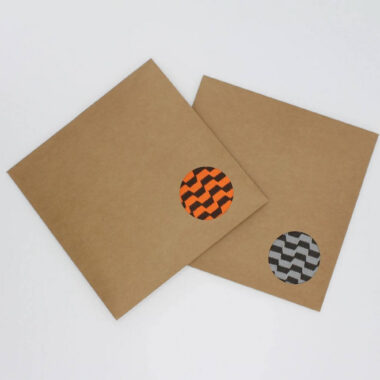
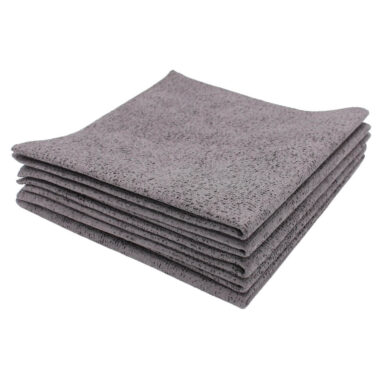
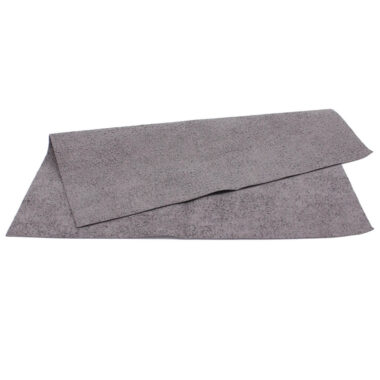
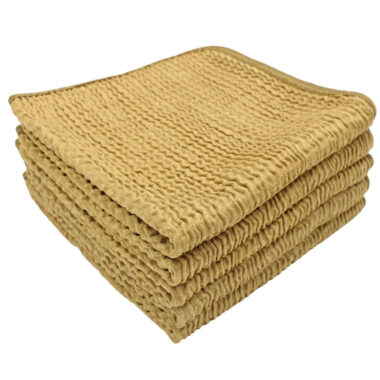
OEKO-TEX Certified GoGoNano Microfiber Cloths
 Single productPack of 5Pack of 10
Floor Mops & Cloths
General Cleaning Cloths
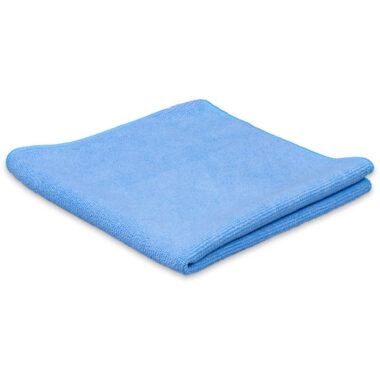
General Cleaning Cloths


Kitchen Cloths
Kitchen Cloths
 Single product
 Pack of 5
Glass Cloths

 Single product
 Pack of 5Pack of 10
Glass Cloths

Latest articles
News
GoGoNano Launches Whole-Home 2-in-1 Nano Cleaning Series
GoGoNano introduces a whole-home cleaning series built on a single principle: clean surfaces and protect them in the same step. The range covers floors, glass, bathrooms, limescale, and general surfaces[...]
Read moreUseful
Window Cleaning Guide: How to Get Streak-Free Results This Spring
You spend a Saturday morning on the windows. Bucket, cloth, spray bottle, the whole routine. They look great by lunchtime. Then the sun shifts, you walk past, and every streak,[...]
Read moreUseful
Latex, PVC or Nitrile Cleaning Gloves — How to Choose the Right Pair
Are you really using the right cleaning gloves for the job? Discover the crucial differences between latex, PVC, and nitrile. Read our ultimate guide to understand CE ratings, avoid allergies,[...]
Read moreNews
GoGoNano Honored with Silver Award for National Defence Support
We are incredibly proud to announce that this June, the Ministry of Defence recognized us with the Supporter of National Defence Silver Level award. What makes this achievement particularly meaningful[...]
Read moreNews
How Laundry Sheets Work: A Complete Eco-Friendly Guide
Forget that messy measuring cup and say goodbye to detergent spills! GoGoNano sheets offer a pre-measured, single-dose solution (a 60-strip pack, equal to 30 sheets). Just toss a sheet in[...]
Read moreNews
Top 6 Myths About Microfiber Cloths Busted!
Microfiber cloths have conquered the cleaning world, lauded for their versatility, efficiency, and eco-friendliness. Yet, amidst their reign, misconceptions and myths persist, hindering their true potential. Let's dispel the most[...]
Read moreUseful
Essential Guide to Washing Microfiber Cloths & Towels
The longevity and effectiveness of microfiber cloths heavily rely on how they are washed and maintained. Incorrect washing techniques can damage the fibers, thereby reducing their efficiency and lifespan. Proper[...]
Read moreUseful
OEKO-TEX: Your Guide to Safe and Sustainable Textiles
Founded in 1992, OEKO-TEX has established itself as a beacon of innovation and integrity, setting the benchmark for textile safety and sustainability across the globe. Its comprehensive certification system, which[...]
Read more