




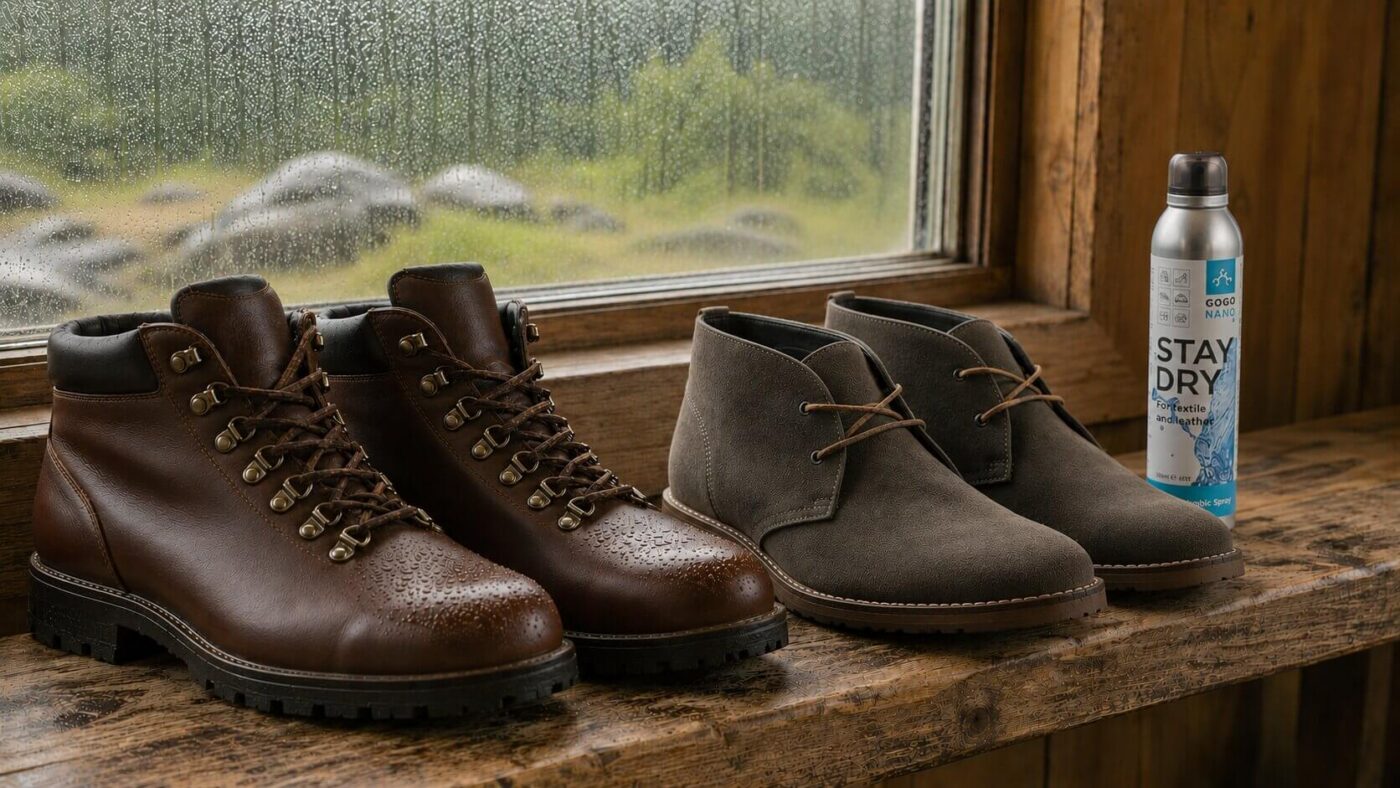
How to Waterproof Shoes – by Material, Step by Step
Waterproofing shoes is not a one-time trick. Rain, mud, road salt, brushing, flexing, dirt and everyday abrasion slowly wear away the water-repellent layer on the upper. The result is familiar: water stops beading, the toe box darkens in a few seconds, and even a good pair of shoes starts to feel damp, heavy or cold.
The right fix depends less on the brand of shoe and more on the material. Smooth leather, suede, nubuck, canvas, mesh trainers and GORE-TEX membrane shoes all need slightly different care. Clean first, choose the right treatment, let it cure, then test before relying on the shoes in wet weather.
Quick answer
Waterproofing is usually a surface treatment on the shoe fibres. It wears off with use, dirt and cleaning. Test it by sprinkling water on the toe box and high-wear areas: if water beads and rolls off, protection is working; if it soaks in and darkens the material, clean the shoe and reapply. Use spray for suede, nubuck, textile and membrane shoes; use leather conditioner or wax only on smooth leather when the shoe material allows it.
Key takeaways
- Material decides the method. Smooth leather can use conditioner, cream, wax or spray; suede and nubuck should use spray only; membrane shoes need spray-on DWR, not wax or grease.
- Waterproofing does not fix dirty shoes. Dirt, detergent residue and salt stop the new layer from bonding properly.
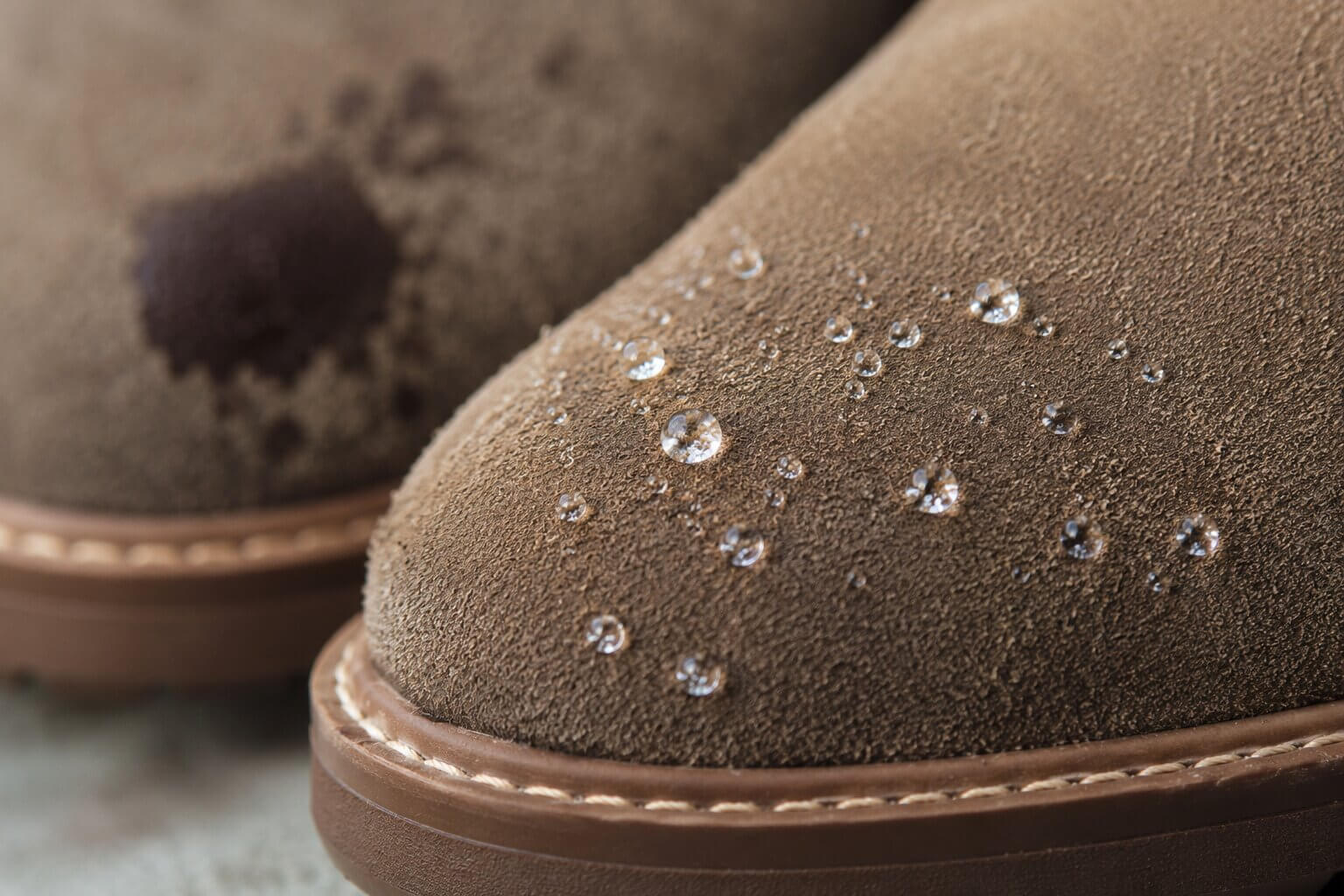
- The bead test tells you when to reapply. If drops roll off, wait. If water soaks in, restore the protection.
- “Waterproof shoes” still need maintenance. The membrane may still block rain, but the outer fabric can wet out and reduce breathability.
- GoGoNano EcoProtect and Stay Dry protect shoes without changing the look or breathability when applied correctly. Always test delicate materials first.
What waterproofing actually is
Most shoe waterproofing sprays restore or add a DWR layer: a durable water repellent finish on the outer material. Think of it like water on a freshly waxed car. Instead of spreading into the surface, droplets bead up and roll away.
This is different from a waterproof membrane. A membrane, such as GORE-TEX or eVent, is a structural layer built into the shoe. DWR is the outer surface treatment that stops the upper material from soaking up water in the first place. Both matter. The membrane blocks liquid water; the DWR keeps the outside from becoming saturated, heavy and less breathable.
DWR wears down through abrasion, mud, body oils, UV exposure, cleaning chemicals and repeated flexing. When it fails, water no longer beads. On ordinary shoes, that means the upper starts absorbing water. On membrane shoes, the outer material can “wet out” and block moisture vapour from escaping, so the shoe may feel wet from sweat even when rain is not leaking through.
People use “waterproofing” loosely, so it helps to separate three ideas:
- Water-resistant shoes usually have a repellent surface treatment only. They handle light rain, splashes and damp pavements, but they are not built for standing water or long wet walks.
- Waterproof shoes usually combine a membrane, sealed construction or waterproof lining with an outer DWR finish. They still need the outside coating maintained.
- Waterproofing spray restores water repellency on the surface. It helps rain and dirt sit on top instead of soaking in, but it will not seal cracked soles, torn seams or holes.
If your shoes leak through a split sole, broken stitching or cracked leather, a spray will not repair that. Repair the damage first or replace the shoes. Waterproofing works best as prevention and maintenance, not as a construction fix.
The bead test: how to know if shoes need waterproofing
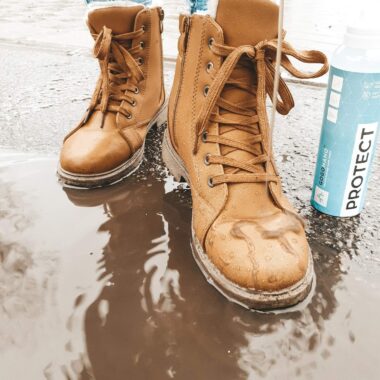
Sprinkle a few drops of clean water on the toe box, seams and the area where the upper meets the sole. These parts wear fastest. If water beads and rolls off, the protection is still working. If the material darkens and water soaks in within a few seconds, it is time to clean and reapply waterproofing.
Do the test on clean shoes. Dirt can mask the result and make a weak coating look better than it is.
Choose shoe waterproofing by material
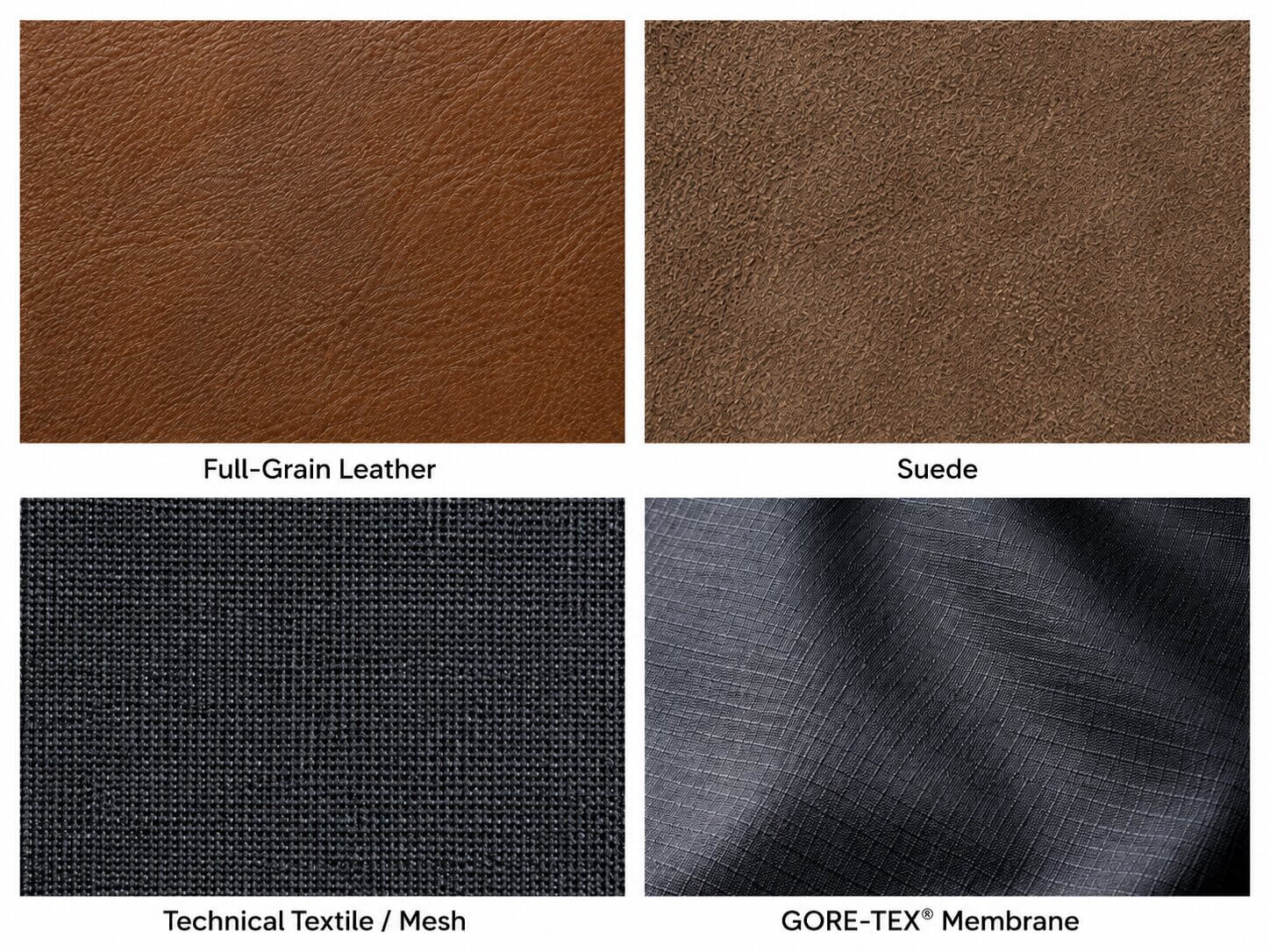
The safest way to waterproof shoes is material first, product second. A wax that helps one pair of leather boots can permanently flatten suede. A grease that feels protective on work boots can block breathability on membrane footwear.
| Shoe material | Best waterproofing route | Use | Avoid | GoGoNano fit |
|---|---|---|---|---|
| Smooth leather | Clean, condition if dry, then add spray or leather-safe wax/cream. | Leather boots, dress shoes, casual leather sneakers. | Soaking, strong detergents, silicone-heavy products that dry or stiffen leather over time. | Stay Dry or EcoProtect after leather care for extra water and dirt repellency. |
| Suede, nubuck and velour | Spray only, after dry brushing and testing. | Suede shoes, nubuck boots, velour trainers. | Wax, oil, cream and heavy rubbing. These can mat the nap permanently. | EcoProtect or Stay Dry, applied lightly and evenly, then fully dried. |
| Textile, mesh, canvas and synthetics | Clean thoroughly, remove detergent residue, then apply a breathable spray. | Trainers, canvas shoes, hiking shoes, polyester and nylon uppers. | Machine washing unless the manufacturer allows it, over-saturating glued areas, applying over dirt. | EcoProtect for broad textile coverage; Stay Dry for stronger water, dirt and stain repellency. |
| GORE-TEX, eVent and other membrane shoes | Clean the outer material, then restore DWR with a water-repellent spray. | Waterproof hiking shoes, trail shoes, winter boots and technical footwear. | Wax, grease and oil-based treatments, which can reduce breathability. | EcoProtect is listed as suitable for GORE-TEX and eVent linings; Stay Dry can restore water repellency on synthetic uppers. |
| Patent leather and rubber | Usually no waterproofing spray needed. Wipe clean and dry. | Glossy patent shoes, rubber boots, coated surfaces. | Standard sprays, waxes, abrasive sponges and solvents unless the product label clearly allows it. | Use a damp cloth for cleaning. Test any protector on a hidden area first. |
Smooth leather shoes
Smooth leather needs both moisture balance and surface protection. Dry leather loses flexibility and can crack; cracked leather and stressed seams let water in no matter how much spray you add later.
Use this sequence: clean, let the shoe dry, condition if the leather feels dry, then apply a waterproofing layer. For some leather boots, a wax or cream can be useful. For dress shoes, fashion leather, mixed-material sneakers or breathable leather footwear, a spray is often safer because it is less likely to change the finish.
GoGoNano Stay Dry and EcoProtect can be applied after cleaning and leather care to add a thin water-repellent nano layer. On smooth leather, use light even coverage and polish away visible droplets or excess product with a clean microfiber cloth if the product instructions call for it.
Suede, nubuck and velour shoes
Suede and nubuck are where many waterproofing mistakes happen. The soft nap is part of the material. Wax, oil and leather cream can flatten it, darken it and leave shiny patches that are difficult to reverse.
Start dry. Brush off loose dirt with a suede brush, use a suede eraser for small marks, and only then apply a spray designed for delicate textured materials. Spray from a distance in light, even passes. Do not soak the surface. Let the shoes dry fully before wearing, then gently brush the nap back in one direction.
EcoProtect and Stay Dry are both suitable for suede and nubuck when used correctly. The protection should be invisible; if a material is very light, dyed, vintage or expensive, test inside the heel or another hidden place first.
Textile, mesh, canvas and synthetic trainers
Textile shoes often look simple, but they trap residues easily. Dirt, road salt and leftover detergent sit between fibres and stop waterproofing from bonding evenly. This is why cleaning matters so much before treating trainers, canvas shoes and hiking footwear.
Remove laces and insoles, brush away loose dirt, then clean the upper by hand. If the shoe has been washed with detergent, rinse or wipe carefully so no residue remains. For many waterproofing sprays, the safe default is a clean, dry surface. If the product label specifically says to apply to a lightly damp absorbent textile, follow that label – but never apply over a soaked shoe or trapped moisture.
Pay extra attention to the toe box, stitched areas and the rand, where the upper meets the sole. These are the first places water usually finds a way in.
GORE-TEX and waterproof-membrane shoes
Waterproof-membrane shoes need careful aftercare because the outside material and the membrane are doing different jobs. The membrane blocks rain. The outer DWR layer keeps the upper from wetting out.
GORE-TEX footwear care guidance recommends removing laces and insoles, brushing off dirt, cleaning with lukewarm water and a small amount of liquid detergent when needed, drying naturally at moderate temperatures, and reapplying DWR when water no longer beads. It also warns against washing machines, direct heat, waterproofing waxes and greases because these can affect breathability.
For membrane shoes, use spray-on DWR only. Do not use wax, grease, mink oil or heavy leather oil on the membrane areas. If the shoes feel wet inside but you cannot find a leak, failed DWR may be the cause: the outer material is saturated, breathability drops, and sweat has nowhere to go.
Waterproof socks are a backup, not shoe protection
Waterproof socks can keep your feet drier in sudden rain, trail mud or cold wet conditions. They solve the problem from the inside. They do not protect the shoe upper, seams, leather, glue or lining from water damage, so they are not a substitute for maintaining the shoe itself.
How to waterproof shoes step by step
This method works for most everyday shoes, trainers, walking shoes and boots. Always check the shoe manufacturer’s care instructions and the product label first.
Step 1: Clean the shoe properly
Remove laces and insoles. Brush away dry mud, dust and grit. Clean the upper according to material: smooth leather needs gentle wiping and possible leather care; suede and nubuck should start dry with a brush; textile and mesh need careful hand cleaning without flooding the shoe.
For a full material-by-material cleaning routine, use our shoe cleaning guide first. Waterproofing should go onto a clean surface, not on top of old dirt.
Step 2: Let the shoe dry, unless the product label says otherwise
Do not apply waterproofing to a wet shoe. Trapped moisture can slow curing, leave marks and reduce adhesion. Let cleaned shoes air dry at room temperature with airflow. As a practical rule, clean shoes the day before waterproofing when possible.
Some water-based products are designed for slightly damp absorbent textiles. That is different from treating a soaked shoe. If your spray says to use a damp surface, the shoe should be evenly clean and only lightly damp, not dripping or wet inside.
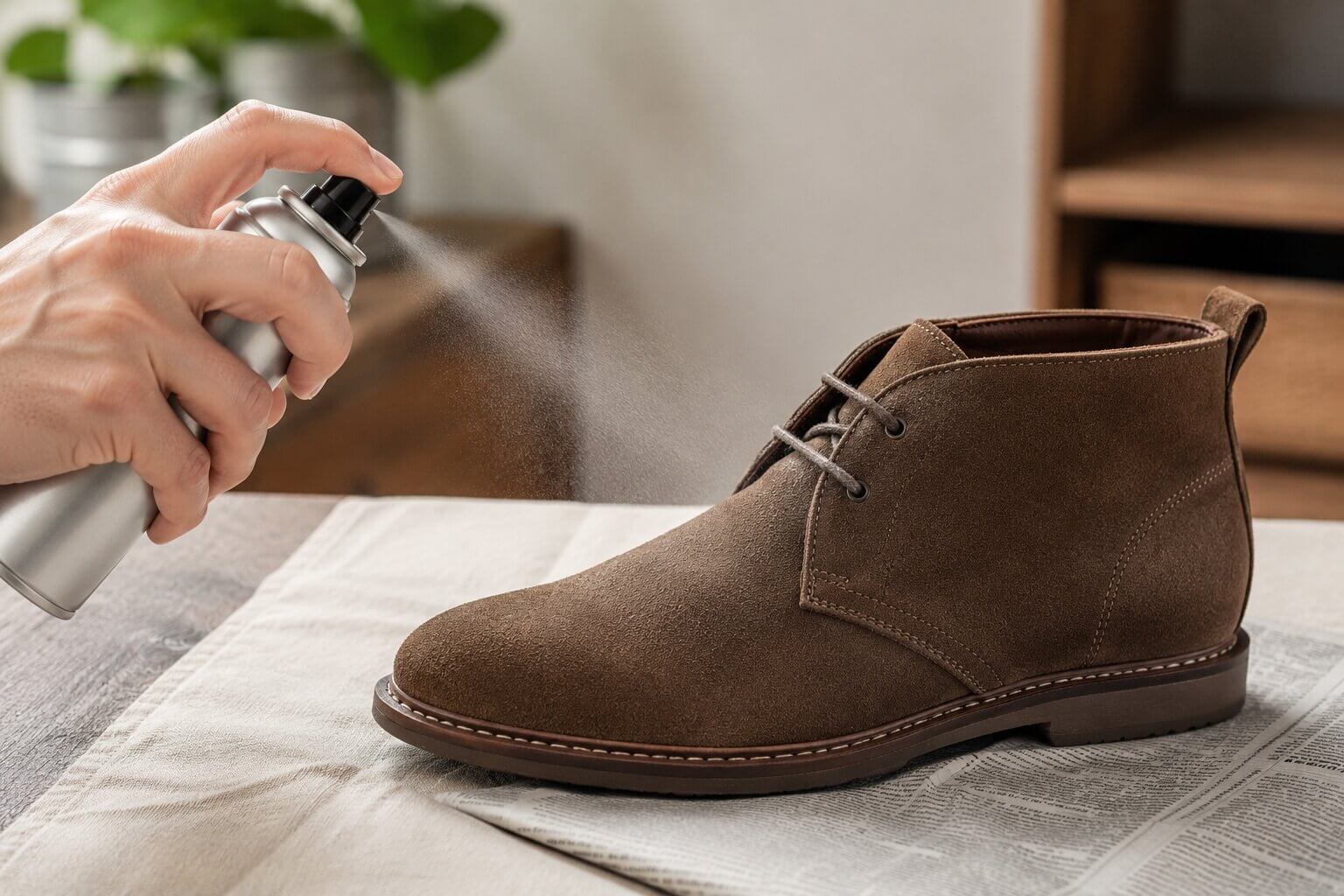
Step 3: Apply in light, even passes
Hold the bottle about 15-20 cm from the shoe unless the label says otherwise. Apply light, even coverage across the upper. Do not saturate the material. Two thin coats are usually safer than one heavy coat, especially on suede, nubuck and light-coloured textiles.
Pay extra attention to seams, stitching, the tongue, the toe box and the rand. With laces removed, you can also treat the tongue folds and collar area more evenly.
Step 4: Let it cure before wet use
Drying time is not the same as full performance. EcoProtect dries in about 3-4 hours, with full properties developing after 24-36 hours. Stay Dry dries to the touch faster, but full curing still benefits from about 24 hours before heavy rain exposure. For best results, waterproof shoes before you need them, not ten minutes before leaving the house.
Use only gentle warmth if the product or shoe manufacturer allows it. A hair dryer on low from a safe distance can help some DWR treatments settle, but high heat can distort glue, leather, synthetic overlays and coatings.
Step 5: Test before relying on the shoes
After drying, repeat the bead test. If water still soaks into a very porous or heavily worn area, apply a second light coat and let it cure again. If water enters through a seam, crack or sole gap, the shoe needs repair rather than more spray.
What not to do when waterproofing shoes
- Do not apply waterproofing to dirty shoes. Dirt and salt block adhesion and trap stains under the new layer.
- Do not use wax, oil or cream on suede, nubuck or velour. These products can flatten the nap and change the colour permanently.
- Do not use waxes or greases on GORE-TEX or other membrane shoes. They can reduce breathability and make the shoe feel wet from the inside.
- Do not dry shoes on a radiator, heater, fireplace, hot floor or with high heat. Heat can weaken glue, crack leather and distort synthetic parts.
- Do not assume waterproof shoes need no care. The membrane can still be intact while the outside DWR has failed.
- Do not skip the hidden-area test. Light suede, dyed leather, patent finishes and mixed-material shoes can react differently.
When to waterproof shoes
Waterproofing frequency depends on use. Shoes have high-abrasion zones, especially the toe box, flex points and the rand, so they usually need more frequent care than a jacket, bag or umbrella.
| Situation | What to do | Why |
|---|---|---|
| New suede, nubuck or textile shoes | Protect before the first outdoor wear after testing a hidden area. | New material is clean and easier to treat evenly. |
| New technical waterproof boots | Do the bead test first. If factory DWR works, wait; if water soaks in, treat. | Many hiking boots arrive factory-treated, but protection varies by model and age. |
| Daily shoes in wet climates | Check monthly and reapply every 2-3 months or when the bead test fails. | Rain, grit, salt and flexing wear protection quickly. |
| Occasional shoes | Refresh before autumn/winter or before a wet-weather trip. | Stored shoes can lose surface performance, especially if dusty or dirty. |
| After heavy rain, mud or road salt | Clean, dry, bead-test and reapply if water no longer rolls off. | Salt and dirt break down repellency and damage leather or textiles. |
| After deep cleaning or machine washing | Reapply waterproofing once the shoes are clean and dry. | Detergents and washing remove or weaken DWR. |
On lower-abrasion items, EcoProtect and Stay Dry can last much longer. On shoes, be more practical: expect toe boxes, seams and flex points to need refreshing first. The bead test is more reliable than a calendar.
Winter salt and slush care
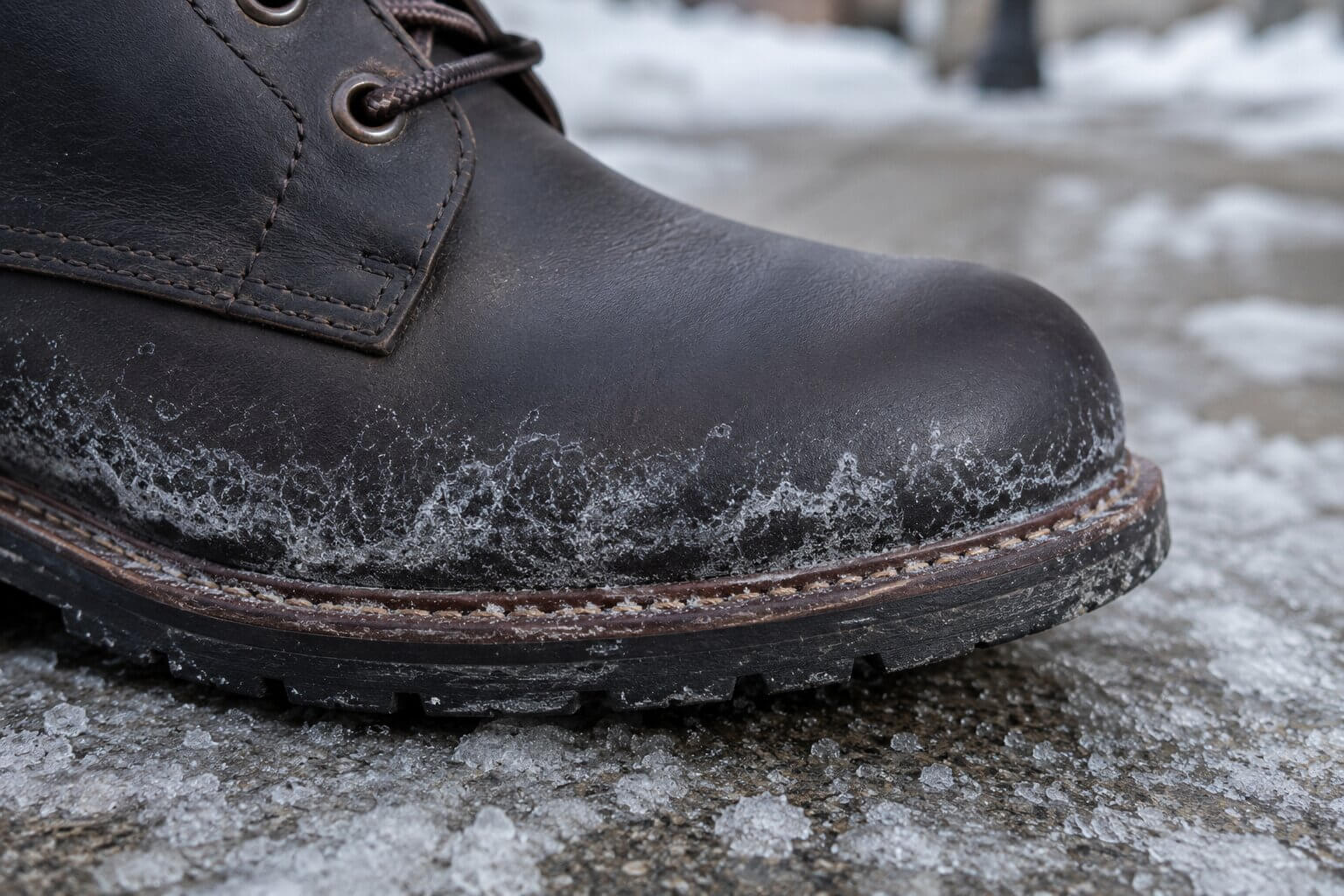
In Baltic and Nordic winters, road salt is often more damaging to shoes than rain. Salt wicks through leather seams, dries out leather, weakens glue over time and leaves white tide marks that become harder to remove once they dry. If shoes have been exposed to salty slush, clean them before reapplying any waterproofing. Do not seal salt marks under a new coating.
During winter, check everyday boots more often than the normal schedule. After heavy slush, wipe or clean the shoes, let them dry at room temperature, then do the bead test. For salt-stain removal by material, use our shoe cleaning guide before adding protection again.
How to store shoes after waterproofing
Storage completes the care cycle. Put shoes away only when they are clean and fully dry. Store them in a cool, dry place with some airflow, not in sealed plastic bags that trap moisture and odour. Leather boots keep their shape better with boot trees, shoe trees or dry paper. Suede and nubuck should be kept away from dusty storage areas because dust is abrasive and makes the next clean harder.
If moisture has already caused a smell, use our shoe odor removal guide.
Choosing a waterproofing spray for shoes
The easiest shoe-care system is clean, dry, protect and retest. Choose by material first, then check the product page and label for exact use instructions.
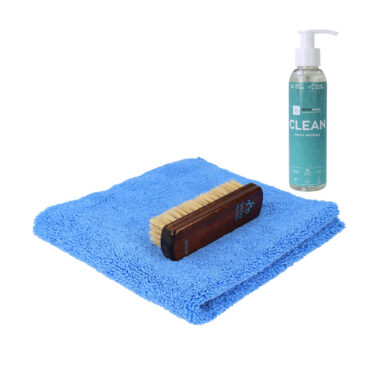
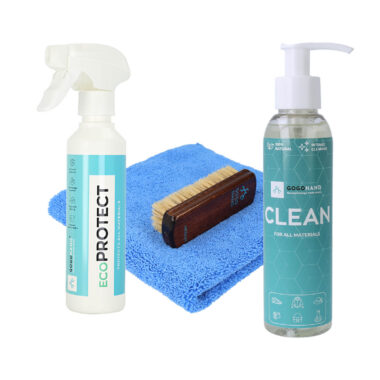
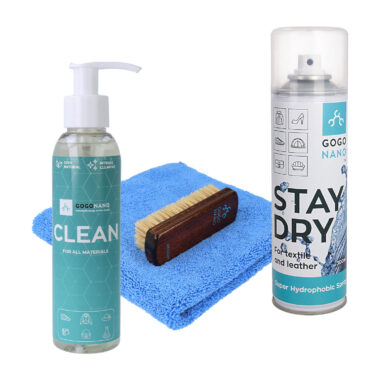
- Clean prepares dirty shoes so the protector can bond to the surface.
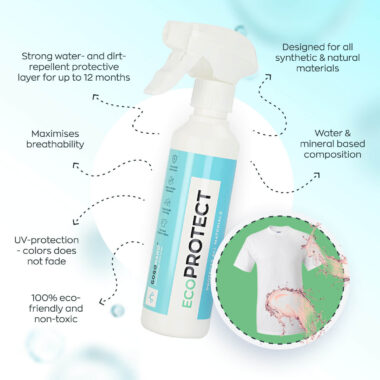
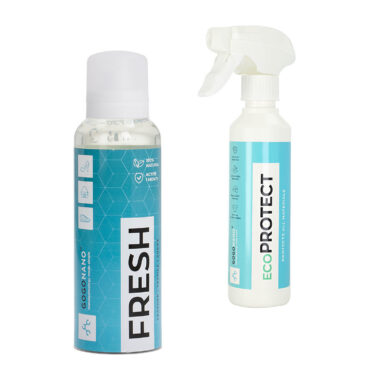
- EcoProtect is a PFAS-free, water-based spray for many textile and leather shoe uppers, including suede, nubuck and membrane footwear.
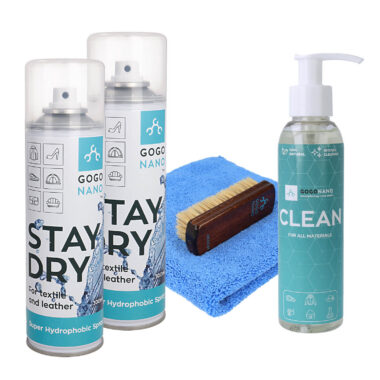
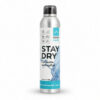
- Stay Dry is a textile and leather nano coating spray for stronger water, dirt and stain repellency.
Always test delicate, dyed, vintage or very light materials first.
Video: applying Stay Dry and checking the result
This GoGoNano demonstration shows how Stay Dry protector is applied and the water-repellent result after treatment. Use the video as a visual example; for shoes, still follow the material-specific preparation and curing guidance above.
PFAS-free waterproofing matters
Traditional waterproofing and impregnation sprays often relied on PFAS, or per- and polyfluoroalkyl substances, because fluorinated chemistry is good at repelling water, oil and stains. The problem is persistence. The European Commission describes PFAS as highly persistent “forever chemicals” used in products including water-repellent textiles, and EU regulation is moving strongly toward restricting non-essential uses.
EcoProtect and Stay Dry are GoGoNano’s PFAS-free route for waterproofing shoe materials such as textile, suede, nubuck and leather. Instead of relying on fluorochemistry, they use nano surface protection to create the beading effect on the material. For the deeper environmental and regulatory explanation, read our PFAS-free cleaning and surface protection guide.
FAQ: waterproofing shoes
Can I waterproof any type of shoes?
You can waterproof many porous shoe uppers, including smooth leather, suede, nubuck, canvas, mesh and synthetic textile. You cannot turn every shoe into a waterproof boot. Sprays do not seal cracked soles, torn seams, open stitching, holes or badly damaged leather. Patent leather, rubber and heavily coated surfaces usually need cleaning more than waterproofing.
Can I waterproof new shoes before I have worn them?
Yes, and for suede, nubuck, textile trainers and untreated leather, before first wear is often the best moment because the material is clean and undamaged. For technical hiking boots or waterproof-membrane shoes, do the bead test first. If the factory DWR already works, you do not need to overload the surface. If water soaks in, protect before wet use.
Is waterproofing a one-time process?
No. Waterproofing wears off with abrasion, dirt, cleaning, road salt and flexing. Daily shoes in wet weather may need checking monthly and reapplication every 2-3 months. Occasional shoes may only need seasonal care. The bead test is the simplest way to decide.
How long does shoe waterproofing last?
For daily shoes in wet weather, expect to check protection monthly and reapply roughly every 2-3 months. In winter slush or road salt, high-wear areas may need attention sooner. Occasional shoes may last a season or longer between treatments. The toe box, seams and rand wear fastest, so use the bead test rather than relying only on time.
Can waterproofing affect breathability?
Yes, if you use the wrong product or apply too much. Wax, grease and oil-based products can block breathable membrane shoes and can make textile footwear feel clammy. A suitable spray applied in light, even coats should restore water repellency while keeping breathability. This is why product choice matters for GORE-TEX, eVent and mesh footwear.
What is the difference between water-resistant and waterproof shoes?
Water-resistant shoes usually rely on a surface DWR treatment that handles light rain and splashes. Waterproof shoes usually include a membrane or waterproof construction plus DWR on the outside. Both need maintenance. A waterproof shoe with failed DWR may still block rain through the membrane, but the outer material can saturate and reduce breathability.
Can I use the same spray on leather and suede?
Many spray-on protectors, including EcoProtect and Stay Dry, can be used on both smooth leather and suede when the label allows it. What you should not do is use leather wax, oil or cream on suede or nubuck. Spray only for textured materials, and always test first.
Should I use wax or spray for leather shoes?
It depends on the leather and the shoe. Smooth leather boots can benefit from conditioning and sometimes wax or cream. Mixed-material sneakers, dress shoes, breathable leather shoes and membrane footwear are usually safer with a spray. If the leather is dry or cracking, condition it first, then protect it.
My waterproof shoes feel wet inside, but I cannot see a leak. What happened?
This is often DWR failure on a membrane shoe. The outside fabric saturates, breathability drops, and sweat cannot escape properly. The shoe feels wet from the inside even though rain has not passed through the membrane. Clean the outer material, restore DWR with a suitable spray, let it cure and test again.
How long should waterproofing spray dry before rain?
Follow the product label. As a practical rule, give shoes at least several hours before light use and about 24 hours before heavy rain when possible. EcoProtect dries in around 3-4 hours and reaches full properties after 24-36 hours. Stay Dry dries to the touch faster, but still benefits from full curing before wet conditions.
Do waterproof socks replace shoe waterproofing?
No. Waterproof socks can keep your feet drier in a sudden downpour, but they do not protect the shoe material. The upper can still absorb water, salt and dirt, and leather or glued areas can still suffer. Use waterproof socks as backup, not as shoe maintenance.
Selection of waterproofing products from GoGoNano
 Single product
 Pack of 3
 Pack of 6
 Pack of 12 / Full box
Protectors & Impregnators
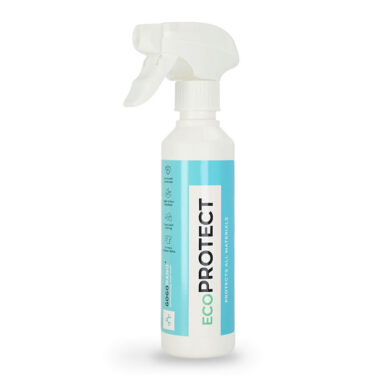
EcoProtect – Ultimate Leather & Fabric Waterproofing Spray, 250ml




 Single product
 Pack of 3
 Pack of 6
 Pack of 12 / Full box
Protectors & Impregnators

Latest articles
Useful
How to Choose the Right Refillable Sprayer or Spray Can
A practical guide to choosing a refillable sprayer by mechanism, capacity, reach, nozzle, bottle fit and chemical compatibility, with a product selector.
Read moreUseful
How to Clean a Car Interior Safely: Plastic, Fabric, Leather, Screens and Glass
A practical material-by-material method for cleaning dashboards, displays, seats, carpets, glass and trim without excess moisture, harsh scrubbing or avoidable surface damage.
Read moreUseful
How to Choose a Mop for Your Floors and Cleaning Routine
A practical mop selection guide for hard floors, homes and offices. Compare manual and powered systems, moisture control, head width, pad fit and lifetime cost before buying.
Read moreUseful
How a Melamine Sponge Works, Where to Use It and What to Avoid
Melamine sponges can erase marks with water alone, but their fine abrasive action is not safe for every finish. Learn how they work, how to test a surface, what to[...]
Read moreNews
GoGoNano Affiliate Program is now open
GoGoNano's affiliate program is now open for responsible creators, customers, bloggers, publishers and partners who want to recommend practical surface-care products.
Read moreNews Product overviews
GoGoNano Business Accounts: B2B Pricing for Cleaning, Surface Care and Resale
GoGoNano B2B accounts help cleaning companies, car detailers, facility teams, offices, hotels, resellers and distributors access eligible business pricing, repeat ordering and product support.
Read moreUseful
How to Waterproof a Jacket: Restore DWR and Diagnose Leaks
Restore your jacket's water repellency at home: diagnose wetting out, clean and reproof the outer fabric, and avoid mistakes that damage seams, zips or membranes.
Read moreUseful
How to Wash Your Car at Home Without Scratching the Paint
Most car wash scratches come from rubbing loose dirt into the paint — not from washing itself. This guide covers the two-bucket method, the right microfiber tool for every surface,[...]
Read more