




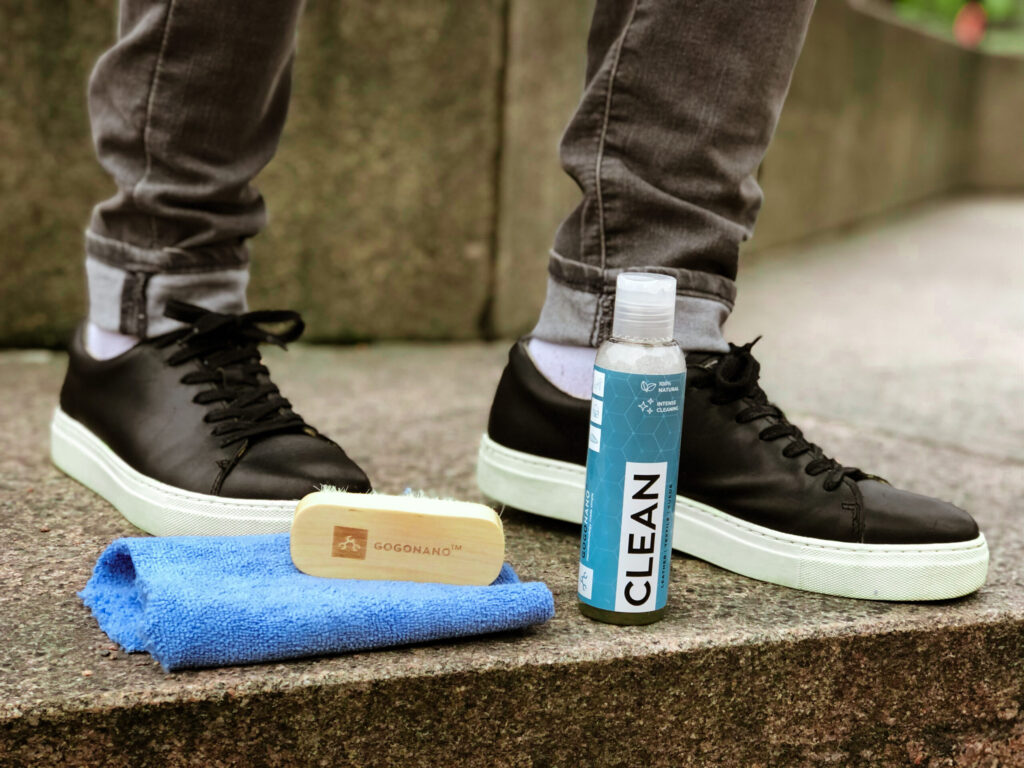
Shoe Cleaning: Practical Tips for Every Situation
Quick answer
Good shoe cleaning starts with the material. Smooth leather, patent leather, textile, suede, nubuck and synthetic shoes all need a slightly different method. Remove dry dirt first, use as little water as possible, avoid heat, and finish clean shoes with a suitable protector.
Shoes work hard in real life: rain, mud, road salt, dust, sweat, public transport, school corridors, office floors and weekend walks all leave their mark. The mistake is treating every pair the same. A pair of smooth leather boots, white textile sneakers and suede shoes may all be dirty, but they should not be cleaned with the same amount of water, pressure or product.
High-quality shoes, clothes and accessories last longer when they are cleaned gently and protected before dirt becomes permanent. The point is not to build a shelf full of harsh cleaners. It is to understand the material, remove dirt early and protect the surface so the next clean is easier.
GoGoNano products are developed in Estonia for shoes, clothing, bags and outdoor gear. They are designed to make everyday cleaning and protection easier while keeping the material’s look and feel as natural as possible.
In wet autumn and winter weather, shoe care is not only about appearance. Moisture, road salt, repeated washing and temperature changes can weaken glue, dry out leather and reduce the performance of technical textile surfaces. Dirt can also sit in the structure of fabric and membrane materials, making them less pleasant to wear and harder to clean later.
Key takeaways
- Check the shoe material first. EU footwear labelling rules distinguish the upper, lining and sock, and outer sole materials.
- Do not soak shoes unless the manufacturer clearly allows it. Too much water can weaken glue, deform shape and damage leather or suede.
- Treat patent leather as a separate material: a damp soft cloth is usually enough, while waxes, oily creams and standard waterproofing sprays can damage the glossy finish.
- Dry shoes at room temperature, never on a radiator, direct heater, tumble dryer or hot floor.
- Remove road salt, mud and grease marks as early as possible, before they dry deep into the material.
- Apply a suitable protector to clean, dry shoes so water and dirt have less chance to bond to the surface.
Start with the shoe material
Before choosing a cleaner, look at the shoe. Is the upper smooth leather, patent leather, coated leather, textile, mesh, suede, nubuck, velour or synthetic material? Does it have glued parts, decorative details, membrane fabric, a cork sole or rope trim? These details decide how much water, brushing and aftercare the shoe can handle.
If you are using a new cleaner or waterproofing spray, test it on a small hidden area first. This matters especially with light colours, hand-finished leather, vegan materials, dyed suede, combined materials and shoes that may already have a factory finish.
| Material or situation | Cleaning method | Avoid | After cleaning | How often? |
|---|---|---|---|---|
| Smooth leather | Soft cloth, little water and a gentle shoe cleaner. | Soaking, heat, strong solvents and rough scrubbing. | Use a leather cream if needed, then Stay Dry or a suitable leather protector. | After visible dirt; remove winter salt as soon as possible. |
| Patent leather | Damp soft cloth; a tiny amount of mild cleaner only if needed. | Wax, oily leather creams, abrasive sponges and standard waterproofing sprays. | Air dry and use only care products marked suitable for patent leather. | Wipe dust and splashes immediately; clean before storage. |
| Textile and mesh | Brush off dry dirt, then clean with a small amount of Clean and water. | Machine washing unless the manufacturer allows it; over-wetting glued parts. | Apply EcoProtect or another protector suitable for textile shoes. | When dirt or odour appears; light-coloured sneakers usually need it more often. |
| Suede, nubuck and velour | Start dry with a suede brush or suede eraser; use damp spot cleaning only when needed. | Wax, greasy creams, heavy rubbing and soaking. | Apply EcoProtect and brush the nap in one direction after drying. | Brush dust after wear; deeper clean during the season only as needed. |
| Membrane footwear, including Gore-Tex | Clean the outer material by type and remove mud gently with lukewarm water. | Washing machines, direct heat, waxes and greases that can reduce breathability. | Use a water-based spray protector suitable for breathable membranes. | After muddy hikes or when water no longer beads on the surface. |
| Sneakers and sports shoes | Remove laces and insoles, then clean the upper by hand. | Hot drying, aggressive machine cycles and strong bleach. | Use Fresh inside the shoe and protect the upper according to material. | After sweaty, muddy or odour-causing use. |
| Salt stains and winter dirt | Wipe with a damp soft cloth as soon as possible; use Clean if needed. | Letting salt dry for days, then scraping hard. | Protect before the next wear so slush and salt stick less easily. | After every walk on salty slush or salted roads. |
How often should you clean shoes?
Cleaning frequency depends on use, weather and material. Everyday shoes should be cleaned when dirt is visible or odour starts to appear. Sports shoes need attention after sweaty or muddy use, and winter boots should be wiped after each contact with road salt or slush. Suede and nubuck benefit from regular dry brushing, while wet cleaning should stay occasional. The better a clean surface is protected, the less dirt bonds to it and the less often you need a deep clean.
Cleaning new shoes before the first wear
New shoes often need care before they need cleaning. Check the material first, then treat the shoe with a suitable protector and let it dry fully before wearing. This first step is easy to skip, but it can make the biggest difference in wet weather.
The same logic applies to other textile and leather items such as jackets, backpacks, handbags, gloves, prams and outdoor gear. Protection works best on a clean surface, before dirt and moisture have had time to settle in. After cleaning, protect the material with our shoe waterproofing guide.
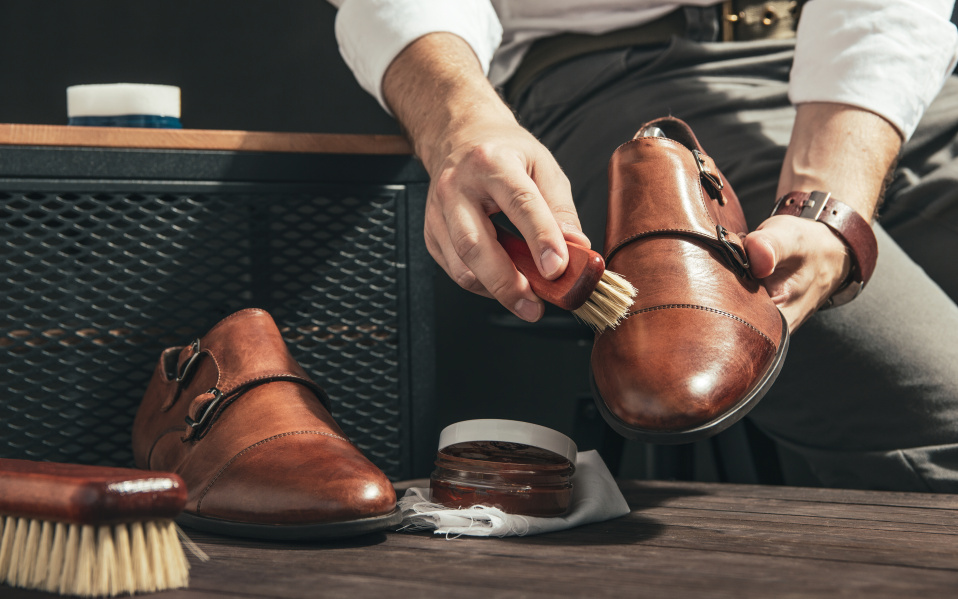
Caring for smooth leather shoes
Leather can be durable, breathable and beautiful, but it does not like harsh treatment. Well-maintained leather stays flexible; neglected leather can dry, crack, lose colour and absorb stains more easily. Salt and mud are especially worth removing early because they can pull moisture from the surface and leave stubborn marks.
- Wipe the surface first with a soft dry or slightly damp cloth. For smooth leather, prefer a leather-specific care product; use GoGoNano Clean shoe cleaner on leather only carefully and after testing a hidden area.
- Use a soft brush or microfiber cloth to remove dirt and stains gently.
- Wipe away excess cleaner with a clean damp cloth, without soaking the leather.
- If you see salt marks, remove them early with a damp cloth and work slowly. Scraping dried salt can damage the finish.
- Let the shoes dry at room temperature with good airflow.
- Apply a leather cream when the leather needs nourishment, then polish with a soft cloth.
- Finish with Stay Dry textile and leather protector or another suitable protector.
Remember: new leather and faux-leather shoes should be protected before the first wear. Refresh the protection depending on weather, use and cleaning frequency.
If the leather begins to feel stiff, looks dry or starts creasing sharply, cleaning alone is not enough. Let it dry fully, use a suitable leather conditioner or cream, and only then add water and dirt protection. Protection works best when the material underneath is clean, dry and not already brittle.
Cleaning patent leather shoes
Patent leather has a glossy coated surface, so it should not be treated like ordinary smooth leather. Clean it with a soft damp cloth and, if needed, a very small amount of mild cleaner. Do not use wax, oily leather creams, strong solvents or standard waterproofing sprays unless the manufacturer clearly says they are suitable for patent leather. After cleaning, let the shoes dry naturally and buff the surface gently with a soft cloth.
Cleaning textile shoes
Textile shoes are often easier to clean than leather, but they still do not benefit from being soaked. Many casual shoes include glue, foam, lining, printed details or membranes that can be damaged by aggressive washing. Hand cleaning gives you more control and helps you clean only the dirty area instead of forcing the whole shoe through unnecessary stress.
Before adding water, remove dry debris such as sand, leaves, dried mud and small stones from seams and soles. If a label or manufacturer guide says the shoe is washable, follow that instruction; if not, assume gentle hand cleaning is safer than machine washing.
- Start by removing loose dirt, sand and dried mud with paper towel or a soft brush.
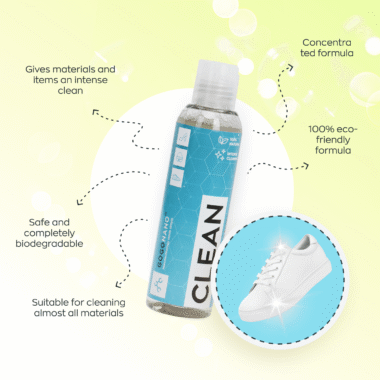
- Mix a small amount of water with a few drops of Clean.
- Work gradually with a soft brush or microfiber cloth. Do not flood the shoe, especially around glued seams, printed details, foam and heel counters.
- For stubborn spots, place one or two drops of Clean on the brush or cloth and rub lightly.
- Remove cleaner residue with a clean damp cloth.
- Pat dry and leave the shoes to air dry at room temperature.
- Apply EcoProtect waterproofing spray or Stay Dry after the shoes are fully dry.
See textile and shoe protection in use:
Cleaning membrane and Gore-Tex footwear
For hiking shoes and winter boots with a membrane, clean the outer material according to what it is: leather, textile, nubuck or synthetic. The difference is aftercare. GORE-TEX footwear care guidance advises avoiding washing machines, direct heat, waterproofing waxes and greases because they can affect breathability. Choose a water-based spray protector suitable for breathable membranes. EcoProtect is listed by GoGoNano as suitable for Gore-Tex and eVent linings and is designed to keep materials breathable.
Cleaning nubuck, velour and suede shoes
Nubuck, velour and suede have an open, textured surface that absorbs moisture and dirt more easily than smooth leather. That is why dry cleaning matters. If you make suede too wet, the nap can flatten, darken or become patchy.
- Start with dry cleaning using a suede or nubuck brush.
- For small scuffs, darker rub marks and surface dirt, try a suede eraser or crepe rubber before adding moisture. Work gently on a dry surface and test first.
- For greasy stains, absorb first with talc or another suitable dry method, then brush gently.
- If damp cleaning is needed, use very little water and cleaner on a cloth or brush.
- Remove excess moisture with a dry microfiber cloth.
- Let the material dry at room temperature. Do not use hot air.
- Apply EcoProtect or another protector suitable for suede, then brush the nap back into place.
Wax and creamy leather-care products are not suitable for suede because they can ruin the fine nap of the material.
Cleaning rope and cork details
Rope trims, espadrille soles, cork soles and woven bags need a lighter touch. They can usually be cleaned, but too much water or aggressive brushing can make rope fray and cork swell.
- Use a little warm water with one or two drops of Clean.
- Apply the cleaner gently with a soft brush.
- Do not scrub rope so hard that the fibres start to fray.
- Remove excess cleaner with a clean damp microfiber cloth.
- Pat dry and leave to air dry naturally.
Cleaning sports shoes and sneakers
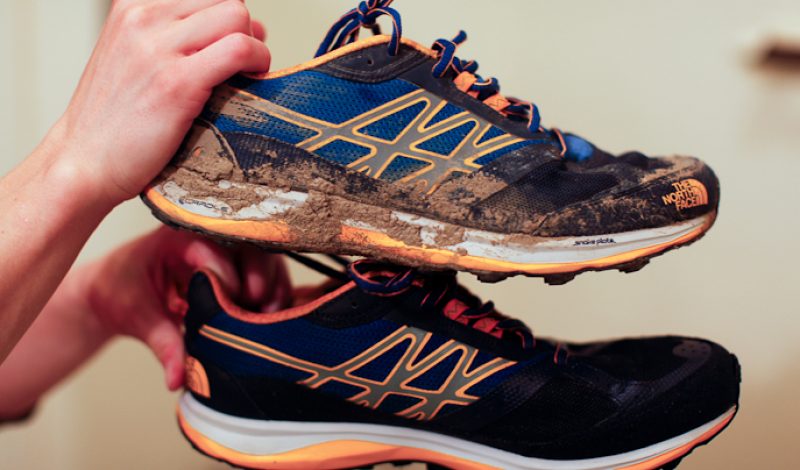
Sneakers and sports shoes are worn far beyond the gym, so they collect daily dirt quickly. Avoid the washing machine where possible. Hand cleaning helps protect cushioning, glue, shape and mixed materials. This is especially important for shoes with foam midsoles, printed logos, mesh panels, leather trims or membrane layers.
- Make a cleaning mix from warm water and a few drops of Clean.
- Remove insoles and laces, and wash them separately.
- Apply the cleaner with a sponge, soft brush or microfiber cloth.
- Wipe with a clean damp cloth if needed.
- Dry in a well-ventilated room at normal room temperature.
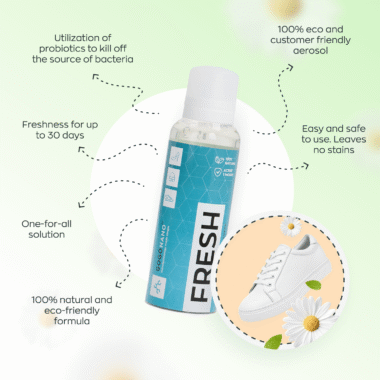
- Use Fresh shoe freshener with probiotics inside the shoe to tackle odour.
Odour prevention starts with moisture control. Give shoes time to dry between wears, choose breathable socks, remove damp insoles and avoid wearing the same pair hard every day. Fresh is most useful after the shoe has had a chance to dry, because a constantly wet inside will keep creating odour no matter how often it is sprayed. If the smell is already there, use our guide to getting smell out of shoes.
See how to refresh shoes:
Drying shoes correctly
Careful drying can extend the life of shoes. Remove insoles, loosen laces and let the shoes dry at room temperature with airflow. Never dry leather shoes next to a radiator, fireplace, heater, tumble dryer, heated floor or strong direct heat. If the inside is wet, fill the shoes with paper and replace it when damp. It is old-fashioned, but it works, and it also helps the shoe keep its shape while drying.
Storing shoes after cleaning
Storage is the final step of care. Put shoes away only when they are clean and completely dry. Do not store them in sealed plastic bags because trapped moisture and odour stay inside. Leather boots and dress shoes keep their shape better with shoe trees or dry paper; removable insoles should be dried separately before longer storage. Seasonal shoes last better in a breathable box, fabric bag or airy shelf, away from direct sun and heat. Refresh protection before the next wearing season, not on a dusty or damp surface before storage.
What to avoid when cleaning shoes
The fastest cleaning method is not always the safest. Before using a washing machine, bleach, solvent, abrasive sponge or hot air, check the care instructions and think about the material.
- Do not dry shoes on a radiator. Heat can dry leather, weaken glue and deform the shoe.
- Do not use bleach on coloured textile shoes. It can leave marks and weaken materials.
- Do not rub wet suede aggressively. The nap can flatten or become patchy.
- Do not mix cleaning products. Read the label and hazard information before using household chemicals.
- Do not apply protector on dirty shoes. Protection works best on a clean, dry surface.
Quick fixes for common stains
- Mud and sand: let heavy mud dry, brush it off, then clean with a damp cloth. Rubbing wet mud can push dirt deeper.
- Salt stains: wipe quickly with a damp soft cloth. If the mark has dried, use a small amount of Clean and work slowly.
- Grease on suede: start dry. If using talc, give it time to absorb grease, then brush gently.
- White soles: apply Clean to a damp cloth or brush, work in circles, then wipe with a clean damp cloth.
- Odour: remove insoles, dry the shoe and use Fresh inside. Rotate shoes to prevent moisture build-up.
- Patent leather marks: do not scrub with an abrasive sponge. Start with a soft damp cloth and use only patent-leather-safe care products.
10 smart shoe and clothing care tips
1. Use a shoehorn so heel seams and counters stay in shape. Forcing your foot into the shoe crushes the heel area and makes the shoe look worn faster.
2. Wear shoes according to season and purpose. Lightweight textile sneakers, leather boots, hiking shoes and barefoot shoes can all be comfortable, but they are not built for the same moisture, salt or abrasion.
3. Choose the right size and width. Shoes that are too tight increase rubbing, sweating and material stress; shoes that are too loose crease and deform in the wrong places.
4. Give everyday shoes a day of rest between wears whenever possible. Rotation lets moisture leave the lining, helps the sole recover and reduces odour.
5. Clean dirt and stains early instead of waiting until they dry into the material. This matters most with road salt, grease, mud and light-coloured textile shoes.
6. Use the right brush or microfiber cloth for the material. A stiff brush may be useful on soles, but the same pressure can damage suede, nubuck, mesh or soft leather.
7. Follow care labels on clothes and manufacturer care instructions for shoes. Waterproof and water-repellent materials often need gentle washing and periodic protection refreshment to keep working as intended.
8. Do not wear wet shoes unless they are designed for it. Wet leather stretches, glue can weaken, and the inside of the shoe becomes a better place for odour to develop.
9. Protect new shoes before the first wear, especially in wet or salty weather. A good protector does not replace cleaning, but it gives dirt less chance to bond deeply with the surface.
10. Keep your shoe-care routine simple: clean, dry, refresh and protect. That routine is easier to repeat than occasional aggressive cleaning, and it keeps favourite shoes in use for longer.
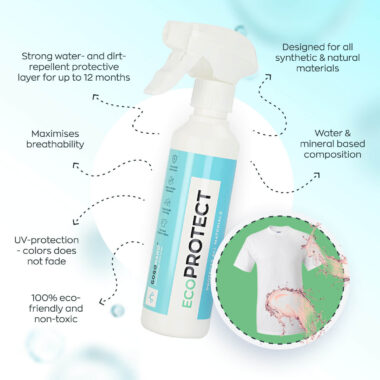
Apply EcoProtect or Stay Dry to clean surfaces so dirt and rainwater have less chance to soak into the material. The next cleaning session becomes easier, and your favourite shoes and clothes stay in use for longer.
FAQ: shoe cleaning
Can I wash shoes in the washing machine?
Only if the manufacturer allows it. Some textile sports shoes can handle a gentle wash, but many shoes contain glue, leather, foam, membranes or decorative details that can be damaged. Hand cleaning is safer for most shoes.
How do I clean suede shoes?
Start dry with a suede brush or suede eraser. If the stain needs moisture, use a very small amount of cleaner on a damp cloth or brush. Let the shoes dry at room temperature, apply a suede-safe protector and brush the nap back in one direction.
How do I clean patent leather shoes?
Wipe patent leather with a soft damp cloth and dry naturally. Avoid wax, oily leather creams, abrasive sponges and standard waterproofing sprays unless the product is clearly marked suitable for patent leather. Test any mild cleaner on a hidden area first.
How do I remove salt stains from boots?
Wipe salt marks as soon as possible with a damp soft cloth. If the stain has dried, use a small amount of Clean and work gradually. Do not scrape hard. Protect the shoes again after they dry.
How do I clean white soles?
Apply Clean to a damp cloth, brush or sponge and clean the sole in circular movements. For stubborn marks, let the cleaner work briefly, then wipe with a clean damp cloth and let dry.
When should I use shoe protector spray?
Use protector on new shoes before the first wear and again after deeper cleaning. The surface must be clean and dry. Everyday shoes, winter boots and hiking shoes need protection refreshed more often than shoes worn occasionally.
How do I care for Gore-Tex or other membrane shoes?
Clean the outer material according to its type and avoid washing machines, direct heat, waxes and greases. When water no longer beads on the surface, refresh repellency with a water-based spray protector suitable for breathable membranes. Always check the shoe manufacturer’s instructions too.
Are EcoProtect and Stay Dry for the same materials?
Both are made for textile and leather-type materials, but choose by surface and required durability. EcoProtect is a water-based waterproofing spray for many textiles, suede, nubuck and leather. Stay Dry is a long-lasting textile and leather nano coating for strong water and dirt repellency. Always test delicate materials first.
Products for cleaning and protecting shoes
 Single product
 Pack of 3
 Pack of 6
 Pack of 12 / Full box
Protectors & Impregnators
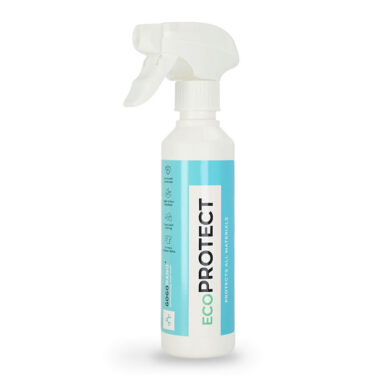
EcoProtect – Ultimate Leather & Fabric Waterproofing Spray, 250ml


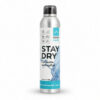 Single product
 Pack of 3
 Pack of 6
 Pack of 12 / Full box
Protectors & Impregnators

 Single product
 Pack of 3
 Pack of 6
 Pack of 12 / Full box
Cleaners & Fresheners

 Single product
 Pack of 3
 Pack of 6
 Pack of 12 / Full box
Cleaners & Fresheners


Latest articles
Useful
How to Choose the Right Refillable Sprayer or Spray Can
A practical guide to choosing a refillable sprayer by mechanism, capacity, reach, nozzle, bottle fit and chemical compatibility, with a product selector.
Read moreUseful
How to Clean a Car Interior Safely: Plastic, Fabric, Leather, Screens and Glass
A practical material-by-material method for cleaning dashboards, displays, seats, carpets, glass and trim without excess moisture, harsh scrubbing or avoidable surface damage.
Read moreUseful
How to Choose a Mop for Your Floors and Cleaning Routine
A practical mop selection guide for hard floors, homes and offices. Compare manual and powered systems, moisture control, head width, pad fit and lifetime cost before buying.
Read moreUseful
How a Melamine Sponge Works, Where to Use It and What to Avoid
Melamine sponges can erase marks with water alone, but their fine abrasive action is not safe for every finish. Learn how they work, how to test a surface, what to[...]
Read moreNews
GoGoNano Affiliate Program is now open
GoGoNano's affiliate program is now open for responsible creators, customers, bloggers, publishers and partners who want to recommend practical surface-care products.
Read moreNews Product overviews
GoGoNano Business Accounts: B2B Pricing for Cleaning, Surface Care and Resale
GoGoNano B2B accounts help cleaning companies, car detailers, facility teams, offices, hotels, resellers and distributors access eligible business pricing, repeat ordering and product support.
Read moreUseful
How to Waterproof a Jacket: Restore DWR and Diagnose Leaks
Restore your jacket's water repellency at home: diagnose wetting out, clean and reproof the outer fabric, and avoid mistakes that damage seams, zips or membranes.
Read moreUseful
How to Wash Your Car at Home Without Scratching the Paint
Most car wash scratches come from rubbing loose dirt into the paint — not from washing itself. This guide covers the two-bucket method, the right microfiber tool for every surface,[...]
Read more