
 Eesti
Eesti Suomi
Suomi Latviešu
 Lithuanian
 Русский
 Deutsch

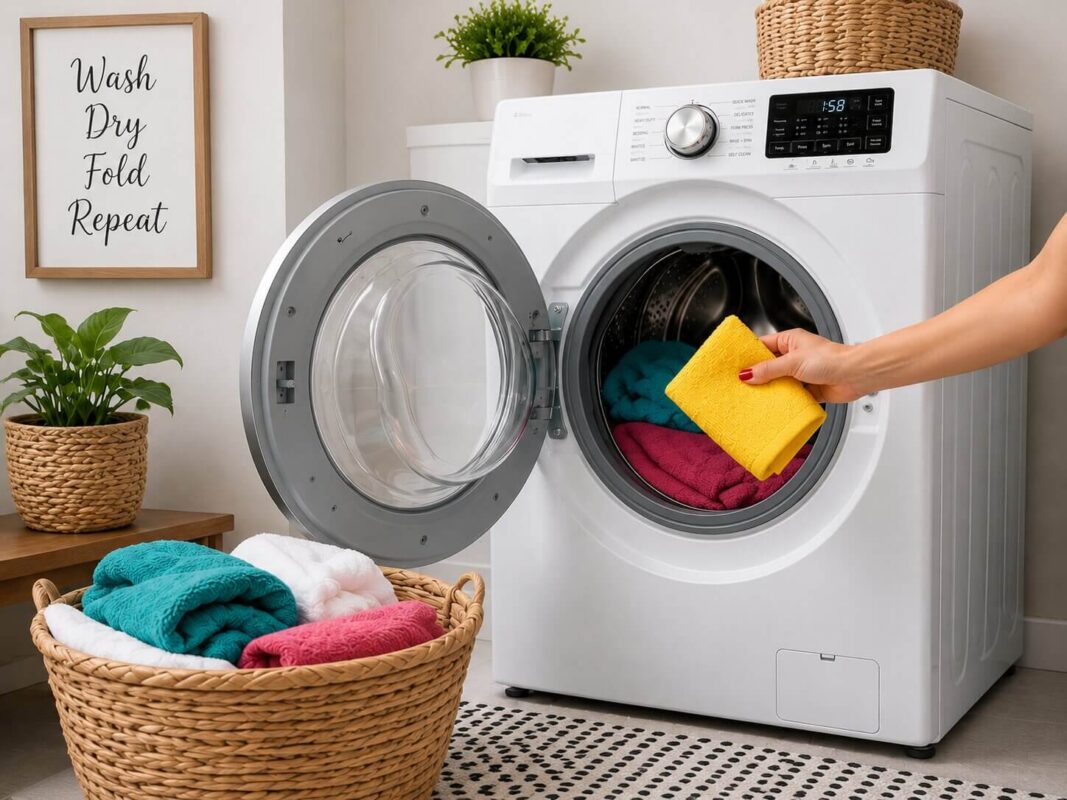
Essential Guide to Washing Microfiber Cloths & Towels
Microfiber cloths & towels have revolutionized cleaning practices worldwide. Comprising fine synthetic fibers, these cloths are celebrated for their ability to attract and hold dust, dirt, and liquid. Unlike traditional cotton cleaning cloths, microfiber traps particles, ensuring a cleaner, more efficient wipe-down. Given their widespread use in both domestic and professional settings, understanding the proper care and maintenance of microfiber cloths is essential. Our guide delves into the best practices for washing microfiber cloths and towels, aiming to extend their lifespan and maintain their remarkable cleaning capabilities.
Key Takeaways
- Like any fabric, microfiber cloths need special care. Wash them alone in cool or warm water with mild detergent.
- Avoid fabric softener, bleach, and high heat. These can damage the tiny fibers and make them less effective.
- Air dry or tumble dry on low for maximum lifespan. High heat can also harm the fibers.
Sort Microfiber Cloths by Use and Contamination
Do not sort microfiber cloths only by color. Sort them by what they were used for, because residues can transfer during washing. Keep kitchen and food-contact cloths separate from bathroom, car, floor, pet, and workshop cloths.
Cloths used with strong cleaners, descalers, oven cleaners, solvents, or disinfectants should be washed separately from general dusting and glass cloths. Chemical residue can affect absorbency, damage delicate fibers, or make cloths unsuitable for food-contact surfaces. For best results, keep dedicated cloths for kitchen cleaning, glass cleaning, car detailing, and heavy chemical use.
Preparing Microfiber Cloths for Washing
Before washing, it’s crucial to prepare microfiber cloths correctly. Begin by shaking them out to dislodge any loose debris or dirt. This step is vital for preventing the dirt from circulating in the wash water, which could cause it to settle back onto the cloths. Whether you choose to hand wash or machine wash, this initial preparation helps to ensure a more effective cleaning process.
Hand Washing vs. Machine Washing
Deciding between hand washing and machine washing depends on the condition of the cloths. Hand washing is suitable for lightly soiled cloths and can be gentler on the fibers. In contrast, machine washing is more convenient for heavily soiled or stained cloths, offering a deeper clean.
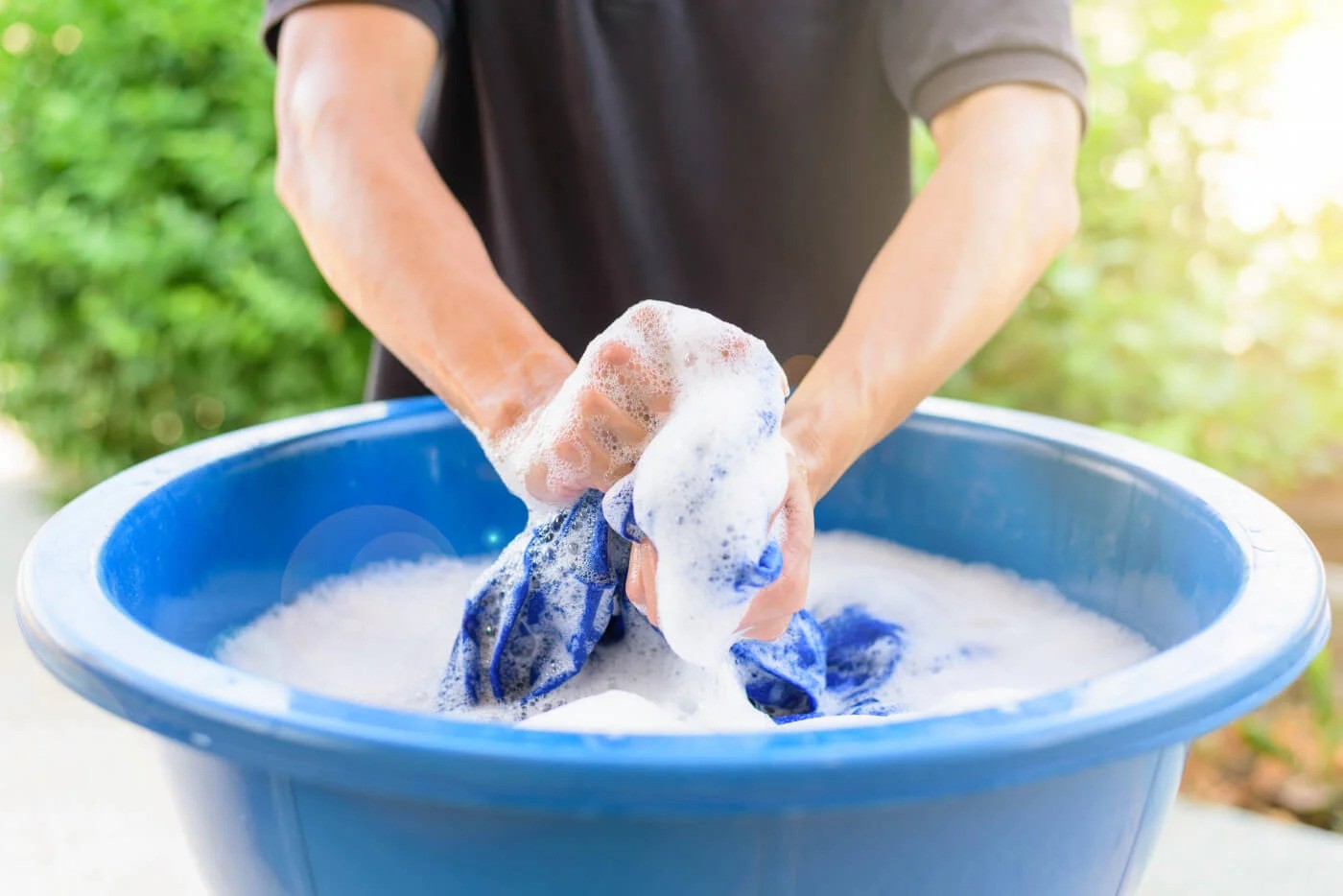
Hand Washing Microfiber Cloths and Towels
Hand washing microfiber cloths is a simple yet effective way to clean them. Follow these steps:
- Begin by shaking the cloth to release any loose dirt.
- Fill a basin with cool or warm water. Hot water can damage the fibers, so avoid using it.
- Submerge the microfiber cloths in the water. Gently agitate them by hand, focusing on heavily stained areas.
- Let the cloths soak for about 15-20 minutes.
- After soaking, rinse the cloths thoroughly under running water. Wring out excess water gently, being careful not to stretch the fibers.
Hand washing is ideal for maintaining the integrity of the microfibers, ensuring they continue to effectively trap dirt and debris.
Machine Washing Microfiber Cloths
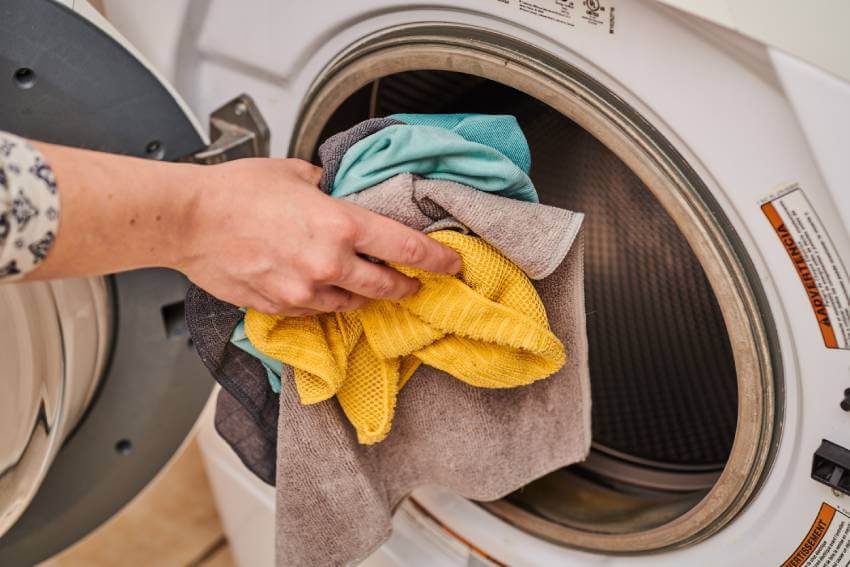
Machine washing microfiber cloths requires a gentle approach to preserve their cleaning efficacy:
- Before washing, shake the cloths to remove excess dirt.
- Use cold or warm water. Hot water can damage the microfibers.
- Opt for a gentle, fragrance-free detergent. Avoid using fabric softeners or additives that can coat and clog the fibers.
- If the cloths have a persistent odour, add a tablespoon of white vinegar to the wash to help neutralise it. For a deeper reset or a first wash, use half a cup — see the sections on reviving and washing new cloths below.
- Allow the machine to agitate the cloths for half of the cycle, then pause for a 15-20 minute soak.
- Resume and complete the wash cycle.
These steps ensure that the microfibers are cleaned thoroughly without causing damage.
Best Washing Temperature for Microfiber Cloths
| Temperature | Best for | Hygiene effect | Fiber stress |
|---|---|---|---|
| 30°C | Lightly soiled cloths, dusting cloths | Low | Minimal |
| 40°C | Normal household dirt | Medium | Low |
| 60°C | Kitchen, bathroom, bacterial load | High | Medium |
| >60°C | Not recommended for routine washing | Usually unnecessary | High risk of damage |
For most microfiber cloths, 30-40°C is enough. Use 60°C only for hygiene-heavy cloths and only if the care label allows it. Temperatures above 60°C should not be routine because heat can weaken, shrink or melt the fine synthetic fibers.
Microplastics and Microfiber: What Washing Temperature and Technique Actually Do
Because microfiber cloths are usually made from synthetic materials such as polyester and polyamide, tiny fiber fragments can be released during washing. This is one reason washing technique matters: the goal is not only to protect the cloth’s cleaning power, but also to reduce unnecessary microfiber shedding into wastewater.
Higher heat, long wash cycles, heavy agitation, and repeated unnecessary washing can increase fiber stress. For regular cleaning, use cold or warm water, a mild liquid detergent, and the shortest effective cycle. Avoid boiling water, harsh detergents, bleach, and fabric softener, as these can weaken or coat the fibers and shorten the cloth’s useful life.
- Wash microfiber only when needed, but do not leave dirty or damp cloths sitting for too long.
- Use a gentle or normal cycle rather than a heavy-duty cycle for lightly soiled cloths.
- Wash full, balanced loads, but do not overload the machine. Cloths need room to move and release trapped dirt.
- Use a microfiber-catching laundry bag, washing machine filter, or lint-catching device if microplastic reduction is a priority.
- Keep cloths in use for as long as they remain effective. Replacing cheap cloths frequently can create more waste than caring properly for better-quality microfiber.
The best approach is simple: wash microfiber gently, avoid unnecessary heat and chemicals, and extend the cloth’s useful life. This reduces shedding while keeping the cloth effective for cleaning.
Washing Cloths Used with Wax, Polish, or Nano Coatings
Microfiber cloths used for car wax, polish, sealants, Liquid Skin, or other nano coating products need extra care. These products can leave silicone, polymer, or oily residues inside the fibers, and a normal mixed wash may spread that residue to other cloths.
- Keep these cloths separate from kitchen, glass, and general dusting cloths.
- Rinse them as soon as possible after use, before residues dry or cure inside the fibers.
- Pre-wash by hand in warm water with a small amount of mild liquid detergent or microfiber-safe detergent.
- Machine wash separately on the warmest temperature allowed by the cloth’s care label. Use a small amount of liquid detergent and add an extra rinse cycle.
- Do not use fabric softener, dryer sheets, bleach, or high heat.
If a coating product has cured in the cloth and the towel feels stiff, sticky, or scratchy after washing, do not use it again on delicate paint, glass, or polished surfaces. Downgrade it to rough cleaning tasks or replace it.
Wash New Microfiber Towels First
It’s essential to wash new microfiber towels before their first use. Manufacturers often apply a silicone coating during production, which can impede the cloth’s ability to absorb liquids effectively. Washing new towels removes this coating, thus unlocking the full potential of the microfibers.
For the first wash, use half a cup of white vinegar together with about half the usual amount of laundry detergent. The higher vinegar quantity here — more than the tablespoon used for routine odour control — is needed to strip the silicone coating and any manufacturing residue from new fibers. The vinegar plays a crucial role in this process; it helps set the colors, ensuring they remain vibrant and fade less over time. Additionally, vinegar aids in removing any residual substances left from the manufacturing process, such as lint from the weaving.
This initial wash primes the towels for optimal performance. The removal of the silicone coating not only enhances the towels’ absorbency but also ensures that they are ready to tackle cleaning tasks more effectively from their very first use.
How Often Should I Wash Microfiber Towels?
Microfiber cloths and towels should be washed frequently to maintain their cleanliness and effectiveness. If you’re using these towels for light tasks like dusting, they can be used several times before needing a wash. However, for heavier cleaning, such as in kitchens or bathrooms, it’s best to wash them after each use to remove dirt and bacteria.
For personal care or gym use, washing after every use is recommended to maintain hygiene. Consistent washing prevents the buildup of bacteria and odors. Remember to use a gentle detergent and wash according to the guidelines provided earlier in this article. Regular washing not only ensures cleanliness but also maintains the high absorbency and cleaning efficiency of your microfiber towels.
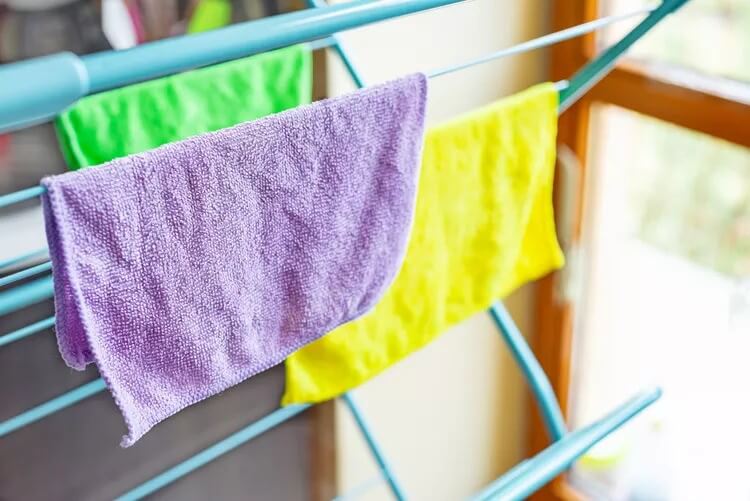
Drying Microfiber Cloths: Air-Drying and Machine Drying
Proper drying of microfiber cloths is as crucial as washing them correctly. There are two effective methods: air-drying and machine drying.
Air-Drying:
- After washing, shake out the cloths to remove any excess water.
- Hang the cloths in direct sunlight if possible. Sunlight has natural disinfecting properties.
- If drying indoors, choose an area with good air circulation.
Machine Drying:
- Dry microfiber towels separately from other items.
- Before and after drying microfiber cloths, clean the dryer’s lint trap to avoid lint transfer.
- Do not use dryer sheets or balls, as they can leave a residue on the microfibers.
- Use a low heat or air-dry cycle to prevent damaging the fibers.
Both methods ensure that the cloths dry efficiently without compromising their structure or cleaning ability.
How to Store Microfiber Cloths After Washing
Microfiber cloths should be completely dry before they are folded or stored. Even a slightly damp cloth can develop mildew, musty odours, or bacterial buildup when it is folded and left in a closed space.
- Shake cloths out after drying so the fibers are not compressed before storage.
- Store clean microfiber in a breathable basket, drawer, shelf, or mesh bag.
- Avoid sealed plastic bags or airtight boxes unless the cloths are fully dry and the storage area is not humid.
- Keep kitchen, bathroom, glass, car, and wax/polish cloths in separate piles or containers.
- Do not store clean microfiber next to cotton towels, dirty rags, or chemical-soaked cloths.
Good storage keeps clean cloths lint-free and prevents cross-contamination, especially when the same household uses microfiber for both food-contact surfaces and car detailing.
Maintenance Tips for Longevity of Microfiber Cloths
Proper maintenance of microfiber cloths is crucial for maximizing their efficiency and lifespan. Here are essential tips:
- After each use, shake the cloth to remove loose debris and rinse it in warm water. This practice helps to dislodge dirt and maintain the cloth’s cleaning effectiveness.
- Microfiber excels with just water, but for tougher jobs, choose mild, non-abrasive solutions. Remember, harsh chemicals can damage the fibers and hinder their cleaning power. However, knitted microfiber cloths, like the Triko Piko, can be used with bleach and other aggressive chemicals. For enhanced chemical resistance and even heavy-duty cleaning, consider knitted microfiber cloths. They provide versatility for diverse cleaning needs.
- Store microfiber cloths separately from other cleaning materials to avoid cross-contamination and the transfer of lint or debris.
- Clean your microfiber cloths regularly to prevent the buildup of dirt and bacteria. Regular cleaning also ensures that the cloths maintain their absorbency and cleaning efficiency.
- Do not iron or expose microfiber cloths to high heat sources. Excessive heat can damage the fibers, leading to a loss of effectiveness.
- Regularly inspect your microfiber cloths for signs of wear and tear. Replace them if they become overly worn or lose their effectiveness.
By adhering to these maintenance practices, you can ensure that your microfiber cloths remain a reliable and effective cleaning tool for various tasks.
How to Revive Microfiber Cloths That Have Lost Effectiveness
A microfiber cloth that feels greasy, smells bad after washing, leaves streaks, or no longer picks up dust is not always ready for the bin. In many cases, the fibers are clogged with detergent residue, fabric softener, hard-water minerals, wax, polish, or cleaning product buildup.
Try this reset method before replacing the cloth:
- Rinse the cloth thoroughly in warm running water to remove loose dirt and surface residue.
- Wash the cloths separately with warm water and no detergent. Use the warmest temperature allowed by the care label, but avoid boiling water and high heat.
- For detergent or odour buildup, soak the cloths for 20-30 minutes in warm water with white vinegar, then rinse well. Do not mix vinegar with bleach or harsh chemical residues.
- If the cloth still feels oily, wash it once more with a very small amount of mild liquid detergent, then run an extra rinse cycle.
- Air dry completely and test the cloth on glass, stainless steel, or another smooth surface.
If the cloth feels soft again, absorbs water, and wipes without streaking, it can return to normal use. If it remains stiff, greasy, smelly, or scratchy after a proper reset, it should be downgraded or replaced.
When to Replace Instead
If the reset method above does not restore performance, the cloth has reached the end of its useful life. Replace microfiber cloths when washing and resetting no longer works. The clearest signs are permanent stiffness, a greasy feel, persistent odour after a proper wash, visible thinning of the pile, frayed edges that shed lint, or pilling that catches on surfaces instead of gliding smoothly.
Also replace or downgrade any cloth that leaves streaks after cleaning, no longer absorbs water, or feels rough enough to scratch delicate surfaces. Higher GSM microfiber cloths often last longer because they have more fiber material to wear through, but care habits matter just as much. A lower GSM glass cloth used gently can outlast a thick towel that is repeatedly washed with wax, polish, fabric softener, or harsh chemicals.
Common Mistakes Quick Checklist
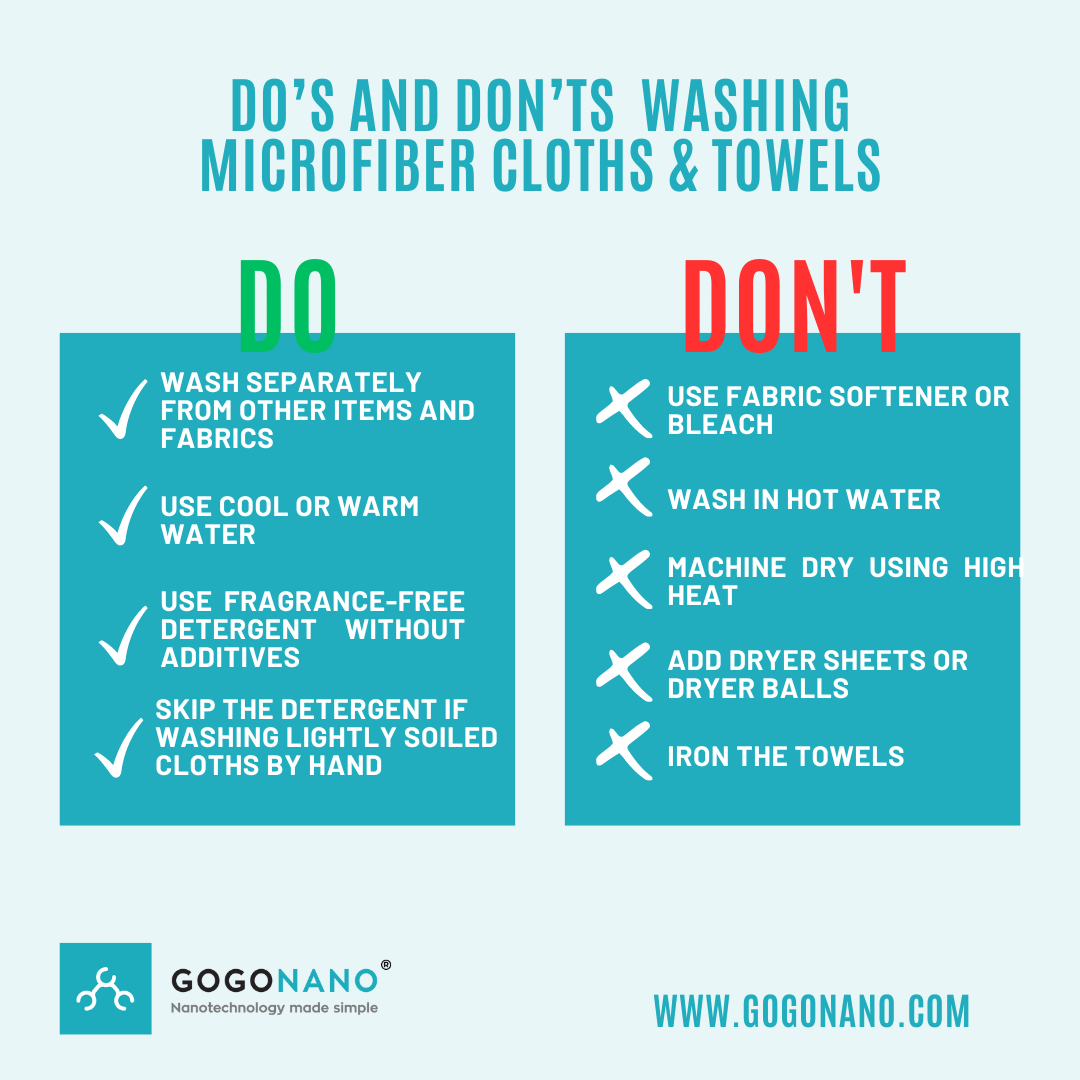
Before each wash, run through this list. These are the errors that most often damage microfiber or reduce its effectiveness over time.
- ❌ Overloading the machine — microfiber absorbs heavily and needs room to move
- ❌ Using hot water — cold or warm only
- ❌ Using fabric softener, dryer sheets, or dryer balls
- ❌ Using bleach or harsh detergents — except on knitted microfiber cloths
- ❌ Skipping the shake-out before washing
- ❌ Drying on high heat
- ❌ Storing damp or folded before fully dry
- ❌ Washing kitchen or glass cloths together with car, wax, or chemical-use cloths
- ❌ Ironing
Tips & Tricks for washing microfiber towels
Knowing how to properly wash microfiber towels will help you keep them in good shape for effective cleaning.
Frequently Asked Questions About Washing Microfiber Cloths & Towels
Can microfiber cloths be washed with other laundry?
When washing microfiber cloths, it’s best to keep them separate from other laundry. Microfiber is designed to attract small particles, including lint from other fabrics. Washing microfiber towels with cotton or other materials can compromise their effectiveness by clogging the fibers with lint. To properly clean microfiber cloths, wash them together in a separate load using warm water and a mild, liquid detergent. Avoid powder detergents as they can leave residue. By washing microfiber cloths separately, you ensure they maintain their superior cleaning properties and extend their lifespan. This method of washing microfiber towels helps preserve their electrostatic charge, which is crucial for their dust-attracting ability.
How often should microfiber cloths be replaced?
With proper care, high-quality microfiber cloths can last 300–500 washes, typically one to two years of regular use. Higher GSM cloths generally last longer because they have more fiber material to wear through. For the specific signs that a cloth has reached the end of its life — including permanent stiffness, pilling, persistent odour, and streaking — see the When to Replace Instead section above.
Can I use bleach to clean microfiber cloths?
It’s always best to avoid using bleach. Bleach can break down the delicate microfibers, reducing their cleaning effectiveness and lifespan. Instead, when you clean microfiber cloths, consider these alternatives: add white vinegar to the rinse cycle, use a diluted hydrogen peroxide solution for spot-treating, or try oxygen-based bleach which is gentler. Hot water (above 60°C/140°F) can effectively sanitize when washing microfiber towels without chemicals. Always check the care label for specific instructions on how to wash microfiber cloths. By avoiding bleach and using these methods, you’ll ensure your microfiber cloths remain effective for longer.
Is it safe to use fabric softener when washing microfiber cloths?
Never use fabric softeners when washing microfiber cloths. Fabric softeners leave a waxy coating that clogs the spaces between microfibers, dramatically reducing their ability to clean effectively. This coating makes microfiber less absorbent compromising their primary function. Additionally, fabric softeners reduce the static charge that helps microfiber attract dust and dirt. When washing microfiber towels, use only a mild, liquid detergent. If cloths feel stiff after washing, add half a cup of white vinegar to the rinse cycle. This helps strip detergent buildup without affecting the cloth’s cleaning ability. Always avoid high heat when drying microfiber cloths to maintain their quality.
What's the best way to dry microfiber cloths?
The most optimal way to dry microfiber cloth is air-drying. When drying microfiber cloths, hang them or lay them flat in a well-ventilated area. This method preserves the integrity of the microfibers and prevents heat damage. If you must use a dryer after washing microfiber towels, choose the lowest heat setting or an air-dry/no-heat cycle. High heat can damage the synthetic fibers. Avoid dryer sheets as they can leave a coating on the microfibers. If machine drying, dry microfiber cloths separately to prevent lint transfer. Remember, proper drying is as crucial as proper washing of microfiber cloths. Ensure the cloths are completely dry before storing to prevent mold and mildew growth.
Can I iron microfiber cloths?
Do not iron microfiber cloths. Microfiber is made from heat-sensitive synthetic materials, and the heat from an iron can melt or deform these fibers, permanently damaging the cloth. Ironing can also alter the electrostatic properties of the microfibers, reducing their cleaning effectiveness. Moreover, when you wash microfiber cloths properly, ironing becomes unnecessary as they are designed to be wrinkle-resistant and quick-drying. If you need to remove wrinkles after washing microfiber towels, try hanging them immediately or smoothing them out by hand while damp. When drying microfiber cloths, air drying is best, but if needed, use a dryer on low heat. Remember, the functionality of microfiber cloths after washing is more important than their appearance, and they work best when their fibers are unaltered.
How do I remove tough stains from microfiber cloths?
To remove tough stains you need to act quickly. Pre-treat the stain by applying a small amount of mild, clear dish soap directly to it before you wash microfiber cloths. For stubborn stains, soak the cloth in warm water with a mixture of mild detergent and white vinegar before washing microfiber towels. Gently scrub the stained area with a soft-bristled brush. After pre-treating, wash the microfiber cloth in the machine with warm water and a mild detergent. For oil-based stains, use a small amount of rubbing alcohol before washing microfiber cloths. Avoid harsh chemicals like bleach. For organic stains, letting the damp cloth sit in direct sunlight after washing can help naturally bleach the stain. Remember, some stains may be permanent, but the cloth can still be effective for cleaning less visible areas after washing.
Are there any specific storage tips for microfiber cloths?
Always store microfiber cloths completely dry — even slight dampness causes mildew and odour when cloths are folded and left in a closed space. Store them in a breathable container such as a basket, drawer, or mesh bag, and keep kitchen, glass, car, and chemical-use cloths in separate piles to prevent cross-contamination. For a full breakdown, see the How to Store Microfiber Cloths After Washing section above.
How can I tell if a microfiber cloth is no longer effective?
Signs that a cloth has lost effectiveness include decreased absorbency, failure to attract dust, streaking on surfaces, lingering odour after washing, frayed edges, visible thinning of the pile, and pilling that catches rather than glides. If several of these appear together even after a proper reset wash, the cloth should be replaced or downgraded to rough tasks. For the full list of signs and the reset method to try first, see the How to Revive Microfiber Cloths section above.
Can microfiber cloths be hand washed?
Yes, you can effectively hand wash microfiber cloths, which is particularly beneficial for maintaining their quality. Hand washing is ideal for lightly soiled cloths or quick cleaning between uses. When you wash microfiber cloths by hand, use warm water, not hot, as excessive heat can damage the fibers. Choose a mild, clear detergent free from additives. Fill a sink with warm water and detergent, submerge the cloths, and gently agitate them. Avoid wringing; instead, squeeze the cloths gently. Rinse thoroughly until all soap is removed. After washing microfiber towels by hand, gently squeeze out excess water and air dry. For extra sanitization add white vinegar to the rinse water. Hand washing can be gentler than machine washing, potentially extending the lifespan of your microfiber cloths.
By following these guidelines and avoiding common mistakes, you can ensure that your microfiber cloths remain a reliable and effective tool in your cleaning arsenal. Regular maintenance and proper care will extend their life and enhance their cleaning power.
For a broader understanding of microfiber cloths, including their various applications and benefits, be sure to check out our in-depth guide “The Ultimate Cleaning Companion: The Benefits of Microfiber Cloths”.
Explore GoGoNano Microfiber Cloths & Towels


Exterior Cleaning


Special Purpose Cloths
General Cleaning Cloths
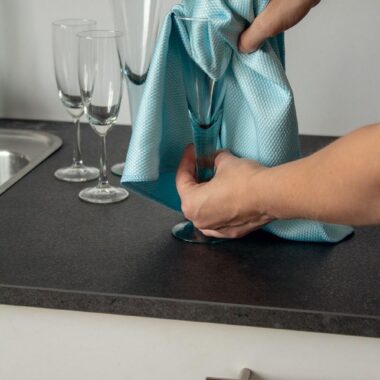
Kitchen Cloths
Floor Mops & Cloths
 Single product
 Pack of 5Pack of 10
Polishing Cloths
General Cleaning Cloths
Kitchen Cloths

Special Purpose Cloths

Latest articles
Useful
How to Clean Every Type of Floor Without Damaging It
A practical floor cleaning guide for hardwood, engineered wood, laminate, vinyl, tile, marble, natural stone and concrete: what to avoid, how to mop safely, and how EcoFloor helps clean and[...]
Read moreUseful
Office Cleaning for Small Businesses: How to Keep Workspaces Cleaner for Longer
A practical office cleaning guide for small businesses: build a surface-based routine, reduce repeat cleaning, protect glass, bathrooms and floors, choose safer products, and use a GoGoNano B2B account for[...]
Read moreUseful
How to Remove Limescale and Prevent It for Good — Room by Room
Remove limescale safely room by room, choose the right cleaner for each surface, and prevent buildup with drying habits, gentle cleaning, and nano protection.
Read moreUseful
PFAS in Cleaning and Surface Protection Products: What They Are, Why They Are Being Phased Out, and What Replaces Them
If a waterproofing spray, fabric protector, or surface coating promises strong water and stain resistance, the chemistry behind that claim matters. PFAS — per- and polyfluoroalkyl substances — delivered that[...]
Read moreUseful
How to Choose the Right Microfiber Cloth: GSM, Weave Types, and What Actually Matters
Not all microfiber cloths are the same. The wrong cloth leaves lint on glass, pushes water around a car panel, or carries bathroom residue into the kitchen. This guide explains[...]
Read moreNews
GoGoNano Launches Whole-Home 2-in-1 Nano Cleaning Series
GoGoNano introduces a whole-home cleaning series built on a single principle: clean surfaces and protect them in the same step. The range covers floors, glass, bathrooms, limescale, and general surfaces[...]
Read moreUseful
Why Shower Glass Clouds Over — and How Nano Coating Actually Helps
Shower glass that keeps going cloudy even after cleaning is a surface problem, not a cleaning problem. This guide explains what nano coating actually does, where it genuinely helps, how[...]
Read moreUseful
How to Clean Windows Without Streaks — What Actually Makes the Difference
Streaks after window cleaning are almost never about effort — they come from specific, fixable causes. This guide covers the right weather, tools, and order for streak-free results, plus how[...]
Read more