
 Eesti
Eesti Suomi
Suomi Latviešu
 Lithuanian
 Русский
 Deutsch


The History of Nanotechnology: The Tiny Science That is Changing the World
Nanotechnology, a term coined in 1974 by Japanese scientist Norio Taniguchi, refers to the engineering of materials at the nanoscale level. At this scale, materials exhibit unique properties that differ from their macro-scale counterparts. The field of nanotechnology has revolutionized many industries, from healthcare to electronics, and has the potential to change our world in ways we cannot yet imagine. In this article, we will delve into the history of nanotechnology, from its beginnings to its current state.
Key Takeaways
- Nanotechnology’s roots go surprisingly far back. While the modern field is recent, the concept of manipulating matter at the atomic and molecular levels has been theorized for centuries.
- Feynman’s lecture was a turning point. Richard Feynman’s 1959 talk, “There’s Plenty of Room at the Bottom” is considered a seminal moment, outlining the possibilities of nanotechnology.
- Advancements in tools brought theory to practice. In the 1980s, inventions like the scanning tunneling microscope allowed scientists to directly see and manipulate individual atoms, propelling nanotechnology from concept to reality.
The Early Beginnings of Nanotechnology
Although the term “nanotechnology” was not coined until 1974, the concept of working with materials at the nanoscale level dates back to ancient times. Artisans used nanoparticles to produce beautiful works of art such as stained glass windows, while gold and silver nanoparticles were used in pottery and other decorative items. However, it was not until the development of electron microscopy in the 1950s that scientists could observe and manipulate materials at the nanoscale level.
In the 1980s, advancements in computer technology and scanning probe microscopy allowed for even more precise manipulation of materials.
The Birth of Nanotechnology
In 1959, physicist Richard Feynman gave a seminal lecture entitled “There’s Plenty of Room at the Bottom,” where he proposed the idea of manipulating individual atoms and molecules to create new materials and devices. This lecture is widely regarded as the birth of nanotechnology, as it marked the first time that scientists seriously considered the possibility of manipulating matter at the atomic and molecular level.
Feynman’s lecture laid the foundation for the development of the field and inspired many scientists to pursue research in this area. In the years that followed, researchers began to explore the unique properties of materials at the nanoscale level, and the field of nanoscience began to take shape. By the 1980s, the term “nanotechnology” had been coined, and researchers around the world were working to develop new applications for this exciting new field.
One of the earliest breakthroughs in nanotechnology came in 1986, when researchers at IBM used a scanning tunneling microscope to manipulate individual atoms on a surface. This achievement demonstrated the incredible precision that was possible with nanotechnology and paved the way for further advances in the field.
Since then, nanotechnology has continued to grow and evolve at a rapid pace. Today, researchers are exploring the use of nanotechnology in a wide range of applications, from medicine to energy to electronics. The potential applications of this field are vast and varied, and many scientists believe that nanotechnology has the potential to revolutionize many aspects of our lives.
Understanding the Properties of Nanoscale Materials
In the 1980s, the term “nanotechnology” was first used to describe the emerging field of nanoscience. This field sought to understand the properties and behavior of materials at the nanoscale level. The emergence of nanoscience led to significant advances in fields such as materials science, chemistry, and biology. Researchers began to realize that materials at the nanoscale exhibit unique properties that differ from their macro-scale counterparts. For example, nanoparticles have a high surface area to volume ratio, making them ideal for catalysis and other applications.

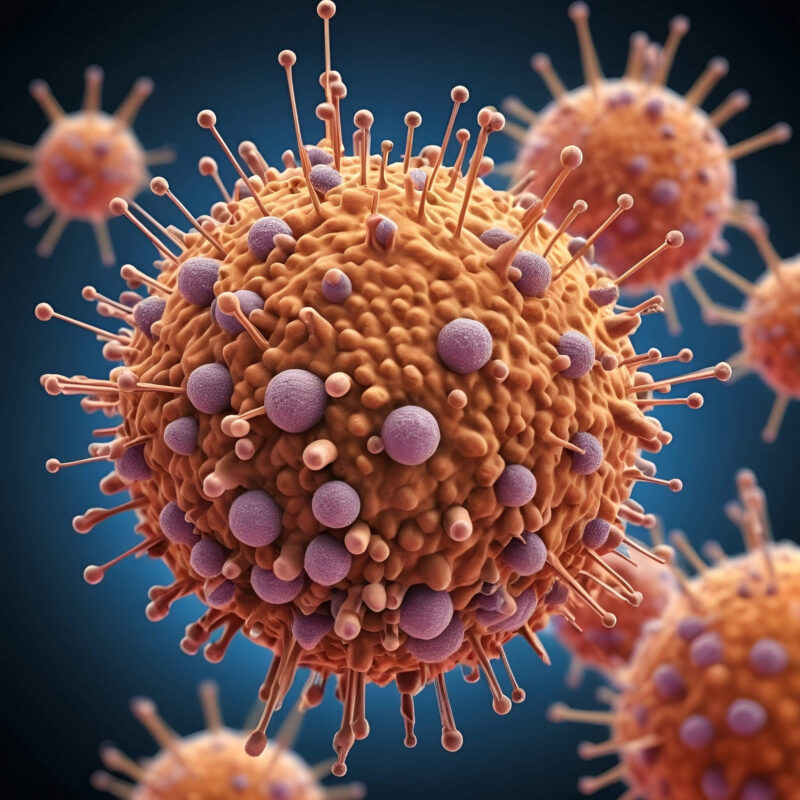
Applications of Nanotechnology
The development of nanotechnology has led to many groundbreaking applications in various fields. Some examples include:
Medicine: Nanoparticles can be used to deliver drugs directly to cancer cells, minimizing damage to healthy cells. Nanoscale sensors can also be used to monitor glucose levels in diabetic patients.
Electronics: Nanotechnology has led to the development of smaller, more powerful computer chips and electronic devices. Nanoscale transistors can be used to create faster and more energy-efficient electronics.
Energy: Nanotechnology has the potential to revolutionize the energy industry by improving the efficiency of solar panels and creating more powerful batteries. Nanoscale materials can also be used to create more efficient fuel cells.
Environment: Nanotechnology can be used to develop more effective water filtration systems and to remediate contaminated soil. Nanoscale materials can also be used to create more efficient catalysts for industrial processes.
Aerospace: Nanotechnology is being used to develop lighter, stronger materials for spacecraft and satellites. Nanoscale sensors can also be used to monitor the structural integrity of aircraft and other vehicles.
General nano coatings: Nano coatings use nanoscale materials to create a thin film that can provide a range of benefits, including increased durability, water and stain resistance, and improved thermal and electrical conductivity. Nano coatings can be applied to a variety of surfaces, including metals, ceramics, and polymers, and are used in a range of industries, from automotive and aerospace to electronics and construction. In addition to providing functional benefits, nano coatings can also improve the aesthetic appearance of surfaces, with options for glossy, matte, or even colorful finishes. As the field of nanotechnology continues to advance, we can expect to see even more innovative uses of nano coatings in a range of applications.
Balancing Benefits with Risks
As the field of nanotechnology continues to grow and develop, it is important to balance the potential benefits with the potential risks and to ensure that we use this technology in a responsible and ethical way. While nanoscience has the potential to revolutionize many areas of science and industry, it is important to be mindful of the potential risks and to take steps to mitigate these risks.
One of the key challenges in balancing the benefits of nanotechnology with the potential risks is that the field is still relatively new and many of the potential risks are not yet fully understood. As a result, it is important to continue to invest in research to better understand the potential risks and to develop strategies for minimizing these risks.
Another challenge is that the potential benefits nanomaterials are so significant that it can be tempting to overlook the potential risks. For example, the potential for nanotechnology to revolutionize medicine and improve human health is so great that it may be tempting to rush new nanotechnology-based treatments to market without fully understanding the potential risks.
To address these challenges, it is important to approach nanotechnology with caution and responsibility. This means investing in research to better understand the potential risks and to develop strategies for minimizing these risks, as well as developing regulations and guidelines to ensure the safe and responsible use of nanotechnology.
In addition, it is important to engage in open and transparent communication about the potential risks and benefits of nanotechnology. This includes communicating with the public about the potential risks and engaging in a dialogue about the best ways to balance the benefits of nanotechnology with the potential risks.
Ultimately, the key to balancing the benefits of nanotechnology with the potential risks is to approach this field with caution and responsibility. By investing in research to better understand the potential risks, developing regulations and guidelines to ensure the safe and responsible use of nanotechnology, and engaging in open and transparent communication about the potential risks and benefits, we can ensure that this exciting new field is used to benefit humanity in a safe and sustainable way.
FAQ
Is nanotechnology safe?
While the potential benefits of nanotechnology are vast, there are concerns about its safety. More research is needed to fully understand the potential risks associated with nanotechnology. Some nanoparticles have been shown to be toxic to cells, and there are concerns about the environmental impact of nanomaterials.
How does nanotechnology work?
Nanotechnology involves the manipulation of materials at the nanoscale level, where materials exhibit unique properties. These properties can be used to create new materials and devices with unprecedented capabilities. Nanotechnology encompasses a wide range of techniques, including self-assembly, chemical vapor deposition, and atomic layer deposition.
What are some current applications of nanotechnology?
Nanotechnology is being used in fields such as medicine, electronics, energy, environment, and aerospace to create new materials and devices with revolutionary capabilities. Some examples include drug delivery systems, nanoscale sensors, and more efficient solar panels. Not to mention different waterproofing and cleaning solutions that GoGoNano represents.
Conclusion
In conclusion, the history of nanotechnology is a fascinating one that has led to many incredible breakthroughs in science and technology. It is important to approach this technology with caution and to continue to research its potential risks and safety concerns. By doing so, we can ensure that we use this technology to benefit humanity and to make the world a better place.
Explore GoGoNano’s Revolutionary Nanotechnology Innovations in Everyday Products


 Single product
 Pack of 3
 Pack of 6
 Pack of 12 / Full box
Protectors & Impregnators
 Single product
 Pack of 3
 Pack of 6
 Pack of 12 / Full box
Protectors & Impregnators
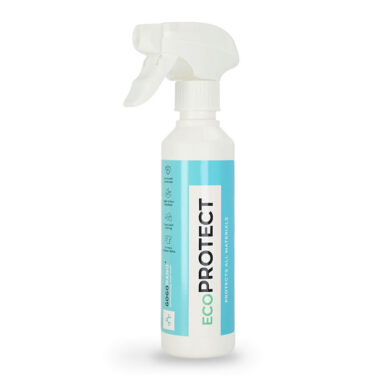
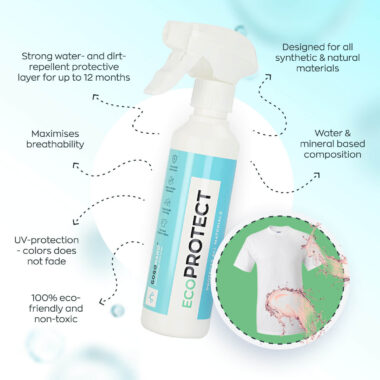
EcoProtect – Ultimate Leather & Fabric Waterproofing Spray, 250ml

 Single product
 Pack of 3
 Pack of 6
 Pack of 12 / Full box
Cleaners & Fresheners

 Single product
 Pack of 3
 Pack of 6
 Pack of 12 / Full box
Consumer Electronics & Glasses

 Single product
 Pack of 3
 Pack of 6
 Pack of 12 / Full box
All-Purpose Cleaners

 Single product
 Pack of 3
 Pack of 6
 Pack of 12 / Full box
Nano Protectors

 Single product
 Pack of 3
 Pack of 6
 Pack of 12 / Full box
Glass & Window Cleaners

 Single product
 Pack of 3
 Pack of 6
 Pack of 12 / Full box
Cleaners & Fresheners

 Single product
 Pack of 3
 Pack of 6
 Pack of 12 / Full box
Surface Disinfectants


 Single product
 Pack of 3
 Pack of 6
 Pack of 12 / Full box
Latest articles
Useful
How to Clean Every Type of Floor Without Damaging It
A practical floor cleaning guide for hardwood, engineered wood, laminate, vinyl, tile, marble, natural stone and concrete: what to avoid, how to mop safely, and how EcoFloor helps clean and[...]
Read moreUseful
Office Cleaning for Small Businesses: How to Keep Workspaces Cleaner for Longer
A practical office cleaning guide for small businesses: build a surface-based routine, reduce repeat cleaning, protect glass, bathrooms and floors, choose safer products, and use a GoGoNano B2B account for[...]
Read moreUseful
How to Remove Limescale and Prevent It for Good — Room by Room
Remove limescale safely room by room, choose the right cleaner for each surface, and prevent buildup with drying habits, gentle cleaning, and nano protection.
Read moreUseful
PFAS in Cleaning and Surface Protection Products: What They Are, Why They Are Being Phased Out, and What Replaces Them
If a waterproofing spray, fabric protector, or surface coating promises strong water and stain resistance, the chemistry behind that claim matters. PFAS — per- and polyfluoroalkyl substances — delivered that[...]
Read moreUseful
How to Choose the Right Microfiber Cloth: GSM, Weave Types, and What Actually Matters
Not all microfiber cloths are the same. The wrong cloth leaves lint on glass, pushes water around a car panel, or carries bathroom residue into the kitchen. This guide explains[...]
Read moreNews
GoGoNano Launches Whole-Home 2-in-1 Nano Cleaning Series
GoGoNano introduces a whole-home cleaning series built on a single principle: clean surfaces and protect them in the same step. The range covers floors, glass, bathrooms, limescale, and general surfaces[...]
Read moreUseful
Why Shower Glass Clouds Over — and How Nano Coating Actually Helps
Shower glass that keeps going cloudy even after cleaning is a surface problem, not a cleaning problem. This guide explains what nano coating actually does, where it genuinely helps, how[...]
Read moreUseful
How to Clean Windows Without Streaks — What Actually Makes the Difference
Streaks after window cleaning are almost never about effort — they come from specific, fixable causes. This guide covers the right weather, tools, and order for streak-free results, plus how[...]
Read more